

Introduction: What Is Samhain?
Samhain is one of the most meaningful celebrations in witchcraft, marking the end of the harvest season and the beginning of winter. Often celebrated on the night of October 31st, it is a time to honour those who came before us, remember loved ones who have passed away, and welcome the quieter, more mysterious part of the year. For witches, Samhain is much more than Halloween. It is a sacred time when the veil between the world of the living and the spirit world is believed to grow thin, making it an ideal occasion for ancestor work, divination, protection magic, and spiritual reflection.
If you’re new to witchcraft, you might imagine that celebrating Samhain requires elaborate rituals, expensive tools, or years of magical experience. Thankfully, that’s not the case! You can celebrate with a candle, a few autumn leaves, a favourite photograph, or simply a quiet moment spent thinking about someone you love. What matters most is your intention and the care you put into your practice.
Samhain also offers a wonderful opportunity to let go of the things that no longer belong in your life. Just as trees release their leaves, you can release old worries, unhealthy habits, painful memories, and relationships that have run their course. Through simple Samhain rituals, you can honour the past, protect your energy, and set intentions for the darker months ahead.
Whether you’re a curious beginner or a new witch looking for your first seasonal celebration, this guide will show you how to celebrate Samhain, which traditions you can try, and how to bring a little autumn magic into your home. There’s no need to get everything perfect. Start with what feels right, trust your instincts, and make the celebration your own.
1. When Is Samhain Celebrated?

Samhain is traditionally celebrated from sunset on October 31st to sunset on November 1st in the Northern Hemisphere. It is one of the eight seasonal festivals in the Wheel of the Year, a calendar followed by many modern witches and Pagans.
Samhain marks the transition from autumn into winter, when the final harvest has been gathered and nature begins its period of rest. It is often considered the witch’s New Year, making it a powerful time to reflect on the past and prepare for a fresh beginning.
If you’re in Australia, remember that the seasons are reversed! October and November fall during spring here. You can still celebrate Samhain on October 31st, following the traditional date, or adapt your seasonal observances to the rhythms of the land around you.
2. Why Is Samhain So Important to Witches?

Samhain holds a special place in witchcraft because it brings together several important magical themes: ancestors, spirits, endings, protection, and transformation.
Many witches believe the boundary between the living world and the spirit world becomes thinner during Samhain. This makes it a favoured time for communicating with ancestors, remembering departed loved ones, and performing divination. Some witches also use this occasion to honour their spirit guides and other unseen companions.
It’s also a time for shadow work, which means looking honestly at the parts of yourself you might usually avoid. Perhaps you’ve been holding onto resentment, doubting your abilities, or repeating a habit that no longer serves you. Samhain encourages you to face these things and decide what you want to leave behind.
You don’t need to work with spirits or perform complicated magic to honour the occasion. Simply lighting a candle and reflecting on the year can be a meaningful way to celebrate.
3. Samhain Traditions Every Beginner Witch Should Know
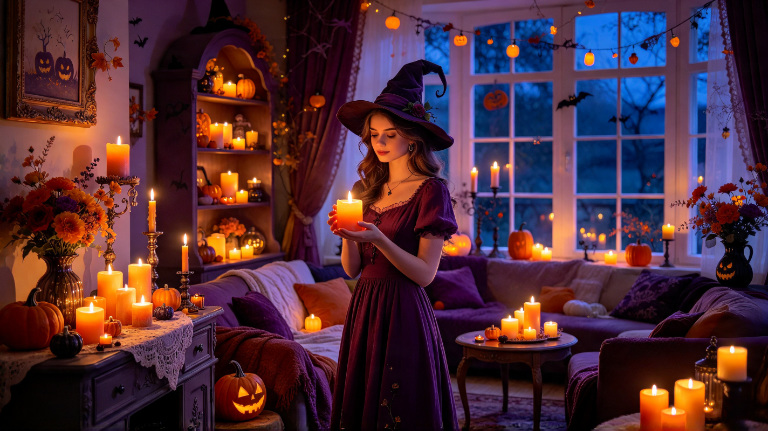
There are many ways to celebrate Samhain, and you can choose the traditions that appeal to you most.
Honouring ancestors: Place photographs, treasured objects, or flowers on a small altar to remember family members and loved ones who have passed away.
Lighting candles: Candles represent remembrance, guidance, and hope during the darker part of the year.
Preparing a seasonal feast: Enjoy autumn-inspired foods such as apples, pumpkin, root vegetables, bread, and warming spices.
Practising divination: Use tarot cards, runes, pendulums, or another divination method to reflect on the coming months.
Releasing the old: Write down habits, worries, or situations you want to leave behind and perform a simple release ritual.
Connecting with nature: Collect fallen leaves, observe the changing landscape, or spend a quiet moment appreciating the seasonal cycle.
You don’t have to follow every tradition. Choose two or three that feel meaningful and build your own Samhain celebration around them.
4. How to Create a Simple Samhain Altar
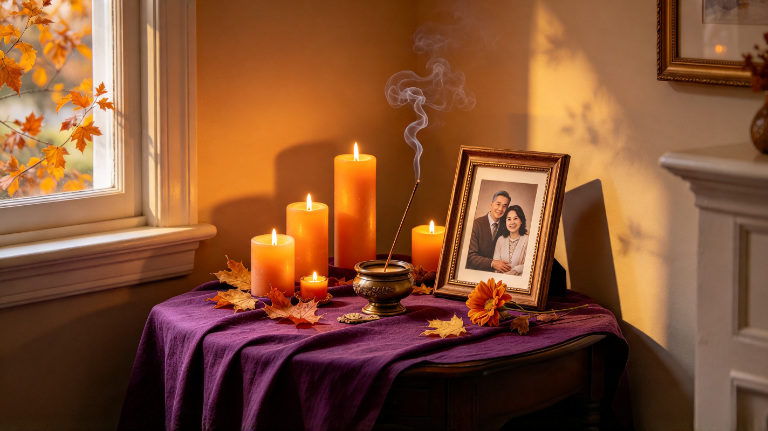
A Samhain altar gives you a special place to focus your intentions and celebrate the season. It can be a small shelf, a bedside table, or even a tray that you put away when you’re finished.
Start with a dark cloth, perhaps black, deep purple, or burgundy. Add a candle, a few autumn leaves, and seasonal offerings such as apples, nuts, or cinnamon sticks. You could also include photographs of ancestors, a favourite crystal, tarot cards, or objects that remind you of people you love.
Traditional Samhain colours include black for protection and mystery, orange for the harvest, purple for spiritual connection, and deep red for life and transformation.
Your altar doesn’t need to look perfect or resemble photographs you see online. What matters is that it feels personal to you.
If you’re using candles, keep them away from dried leaves, fabric, and other flammable decorations. Never leave a burning candle unattended.
5. Three Easy Samhain Rituals for Beginners
You can start practising Samhain magic without buying anything special. Here are three simple rituals to try.
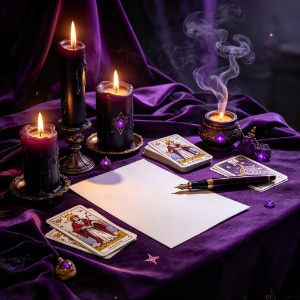
Ritual 1: The Samhain Release Spell
Write down three things you no longer want to carry into the next season. These might be self-doubt, an unhealthy habit, or an old disappointment. Read each one aloud, then safely tear up the paper and dispose of it. As you do, imagine your energy becoming lighter and your path opening to new possibilities.
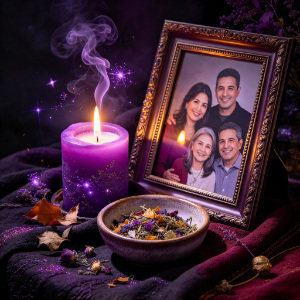
Ritual 2: The Ancestor Remembrance Ritual
Place a photograph or meaningful object on your altar. Light a candle if it’s safe to do so, and speak the name of the person you’re remembering. Thank them for the life, memories, or lessons they left behind. Sit quietly for a few minutes and notice any memories, feelings, or thoughts that arise.
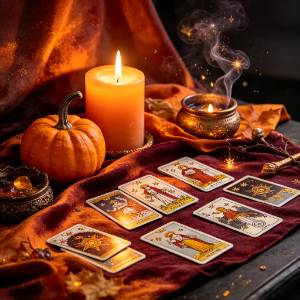
Ritual 3: The Samhain Divination Reading
Shuffle your tarot deck while thinking about the year ahead. Draw three cards: one for what you need to release, one for what you should carry forward, and one for the energy you should welcome into your life. Write down your interpretations in your Book of Shadows so you can revisit them later.
6. What Food Should You Eat on Samhain?
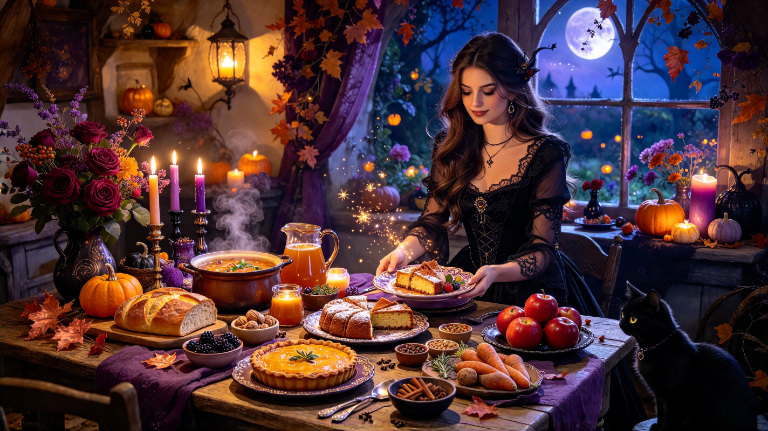
Food has long been part of seasonal celebrations, and a Samhain feast can be as simple or elaborate as you like.
Apples are a popular choice because of their associations with autumn, wisdom, and the otherworld. Pumpkin, bread, nuts, root vegetables, and warming spices also make lovely additions to your meal. If you’re celebrating in springtime Australia, use seasonal local produce instead of forcing an autumn menu.
Some witches prepare an extra plate as an offering in remembrance of departed loved ones. Others leave a small offering on their altar or simply dedicate part of their meal to those they wish to honour.
If you leave food outdoors, avoid anything that could harm wildlife or attract unwanted pests. You can also place an offering on your altar briefly and dispose of it thoughtfully afterwards
7. Samhain Crystals, Herbs, and Magical Tools

Certain crystals, herbs, and magical tools are especially popular in Samhain practices.
Black obsidian: Used for protection, grounding, and shadow work.
Amethyst: Associated with intuition, spiritual awareness, and divination.
Smoky quartz: A popular choice for grounding and releasing unwanted energy.
Rosemary: Used in remembrance, protection, and cleansing rituals.
Mugwort: Traditionally associated with dreams and divination. Avoid ingesting it without appropriate expert guidance, particularly if pregnant or taking medication.
Cinnamon: Associated with warmth, prosperity, and protective magic.
Tarot cards and runes: Useful for seeking guidance and reflecting on the coming season.
Choose tools that suit your practice rather than buying everything on the list. A single crystal or familiar herb can be enough to begin.
8. How to Protect Your Energy During Samhain

Because Samhain is associated with spirits and the unseen world, many witches make protection part of their celebrations.
Before beginning a ritual, you might visualise a protective light surrounding your body and home. You can also say a simple affirmation such as:
“My home is protected, my energy is my own, and only what comes in peace is welcome here.”
Some witches use rosemary, protective charms, cleansing rituals, or a circle of light to establish boundaries before spiritual work.
If you’re interested in spirit communication, take your time and establish clear boundaries. You never need to invite anything into your space to prove that you’re a real witch. Remember that you can end a ritual whenever you wish, and it’s perfectly fine to focus on remembrance, candle magic, or divination instead.
9. What Should You Avoid During Samhain?

There are no universal rules that every witch must follow, but a few sensible guidelines can help you feel more comfortable.
First, don’t feel pressured to contact spirits if you’re uncertain or simply don’t want to. Samhain is a celebration of remembrance and transformation, not a test of your magical abilities.
Second, be respectful when working with ancestors. You can honour loved ones without sharing private family matters or attempting to contact someone who wouldn’t have welcomed that practice.
Finally, avoid treating every unusual sound, dream, or flicker of a candle as a warning. You can remain open to spiritual experiences without assuming that every little thing has a hidden meaning.
Most importantly, make your practice personal. You don’t need expensive tools, a perfect altar, or anyone else’s permission to celebrate.
10. Start Your Own Samhain Tradition

Samhain can become a special part of your yearly witchcraft practice. You might create a new page in your Book of Shadows, record your dreams, write a letter to someone you’ve lost, or make a list of magical goals for the coming year.
You could also take a photograph of your altar each year, keep a record of your tarot readings, or write down what you hope to change before the next Samhain arrives.
Over time, these small traditions become a record of your magical journey. You’ll be able to look back and see what you’ve overcome, which intentions came to life, and how your connection with witchcraft has grown.
You don’t have to celebrate in exactly the same way every year. Let your Samhain practice change as you do.
Your First Samhain Starts Here
Samhain is a beautiful opportunity to honour the past, reconnect with your magic, and prepare for whatever comes next. Whether you spend the evening performing a release spell, remembering loved ones, reading tarot, or enjoying a quiet meal by candlelight, your celebration can be as simple or elaborate as you wish.
If you’re a beginner, start with one small ritual and build from there. Create a little altar, light a candle safely, or write down what you want to release before the new season begins.
There’s no need to be an experienced witch to take part. Your first Samhain is simply the beginning of a tradition that can grow with you, year after year.
