What Is a Witch’s Coven?
There is something special about a group of witches gathering beneath a full moon, candles flickering around them, ancient words whispered into the night, and powerful magic filling the air. This is the heart of a witch’s coven, a gathering of witches who come together to practise their craft, share their knowledge, perform rituals, and strengthen their magical abilities. Some covens are peaceful and welcoming, while others guard secrets that have remained hidden for centuries.
A witch’s coven can be much more than a group of people who practise witchcraft. It can be a family bound by magical oaths, a circle of devoted followers serving a powerful goddess, or an ancient order protecting knowledge that was never meant for outsiders. Within its walls, a young witch might learn to cast her first spell, an experienced practitioner might teach the secrets of divination, and a High Witch might guide the entire group through rituals that draw upon forces far beyond the ordinary world.
But not every coven is what it seems. Some are formed because of an ancient prophecy, while others come together to protect a dangerous magical artefact or prevent a terrible event from taking place. Rivalries can grow between powerful witches, forbidden spells can tempt even the most disciplined members, and a single act of betrayal can put the entire circle at risk. Trust is everything, especially when every member has something to lose.
In this guide, we are stepping inside the mysterious world of the witch’s coven. We will uncover how covens are formed, where they gather, what happens during initiation, and which rules their members must obey. We will also meet the High Witch and her inner circle, investigate forbidden magic, and discover what takes place during the most important night of the coven’s year. So, if you have ever wondered what really happens when witches gather after dark, it is time to enter the circle.
The Origin of the Coven
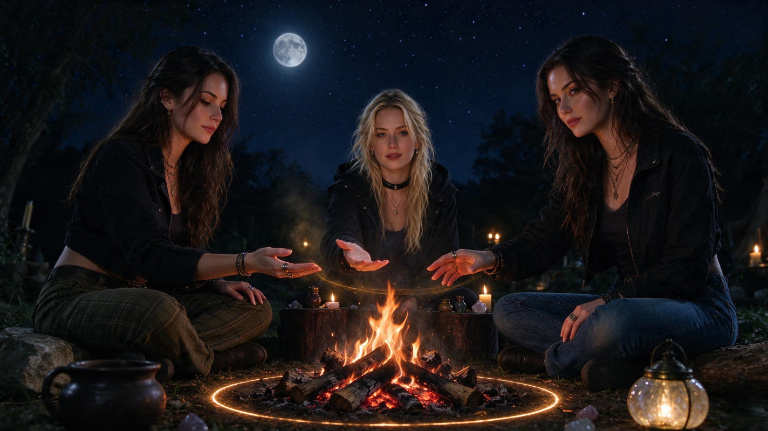
Every coven has a beginning, but not every beginning is peaceful. Some are born from friendship and a shared love of witchcraft, while others are formed during times of danger, when a handful of witches realise that working together is the only way to survive. The oldest covens are said to have roots stretching back through generations, with their histories preserved in handwritten grimoires, family secrets, and stories passed from one witch to another.
One legend tells of seven witches who gathered during a terrible storm after receiving the same dream. In it, a black sun appeared above a ruined kingdom, and a voice warned that a forgotten power would soon awaken. Each witch possessed a different magical gift, from communicating with spirits to controlling fire and seeing possible futures. They joined their powers, created a sacred oath, and founded a coven dedicated to protecting the world from the force described in their visions.
Other covens are formed around secrets that cannot safely be shared with outsiders. Perhaps their founders discovered a forbidden spell, found a doorway into another realm, or inherited an artefact that attracted dangerous supernatural attention. Keeping such knowledge within a trusted circle becomes their greatest responsibility. Over time, new members are carefully chosen, and the original purpose of the group can become buried beneath centuries of tradition.
A coven’s origin often explains its personality, magical abilities, and beliefs. Some questions worth asking about its history include:
-
Who founded the coven? A powerful High Witch, a group of sisters, or an unlikely gathering of strangers?
-
What brought them together? A prophecy, a shared enemy, a magical discovery, or a common spiritual calling?
-
What is the coven protecting? Ancient knowledge, a sacred location, a powerful spirit, or perhaps the world itself?
-
What secret has survived since its founding? The answer might be the reason the coven still exists.
The oldest secret is not always the one written in its books. Sometimes, it is the truth about why the founding witches came together in the first place.
The Coven’s Hidden Gathering Place

A true gathering place should feel as though it belongs to another world. Imagine a narrow path winding through a mist-covered forest, leading to an ancient stone circle that only becomes visible beneath a full moon. Strange lights drift between the trees, ravens watch from the branches, and the air changes as you approach the centre of the clearing. This is where the coven performs its most sacred rituals, away from curious eyes and unwanted visitors.
Not every coven chooses the wilderness. Some gather in abandoned chapels, old manor houses, underground chambers, or forgotten rooms beneath bustling cities. A ruined chapel might appeal to witches who work with ancestral spirits, while a cavern filled with crystals could be ideal for those who draw power from the earth. An enchanted manor, meanwhile, offers space for a library, potion room, private bedrooms, and a grand hall where the entire coven can assemble.
The location is more than a convenient meeting place. It becomes part of the coven’s identity and magical practice. Members may believe that certain locations hold their own spiritual energy, making particular rituals easier or strengthening the connection between the witches and their chosen deities. Some covens even maintain protective enchantments around their grounds, ensuring that strangers become confused, lose their way, or simply feel compelled to turn back.
Here are a few possible gathering places and their magical associations:
-
The Moonlit Forest: Ideal for nature magic, spirit communication, herbal rituals, and working with animal familiars.
-
The Abandoned Chapel: A fitting home for ancestral traditions, old mysteries, and rituals involving sacred vows.
-
The Crystal Cavern: A powerful setting for earth magic, energy work, and the preservation of enchanted objects.
-
The Enchanted Manor: Perfect for a well-established coven with an extensive grimoire collection, a potion laboratory, and a council chamber.
-
The Secluded Island: A place for sea witches who work with tides, storms, water spirits, and lunar cycles.
Whatever its location, the gathering place usually has one important feature: a central space where the coven can form its circle. This is where members meet as equals, share their intentions, and put aside the outside world before beginning their work.
The Initiation Ritual: How to Join a Witch’s Coven
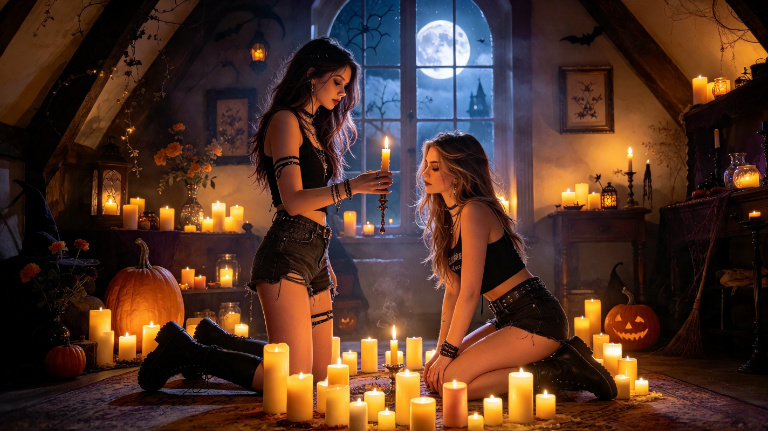
Joining a coven is not always as simple as asking to become a member. Some circles welcome beginners and teach them the foundations of witchcraft, while others have strict traditions that require months or even years of preparation. In an ancient coven, initiation may be treated as a sacred turning point, marking the moment a person is accepted into a family bound together by magical responsibility.
The initiation begins long before the actual ceremony. The High Witch may spend time observing a potential member, looking for honesty, patience, courage, and a genuine desire to learn. Magical ability can be important, but it is not necessarily the deciding factor. A naturally gifted witch who cannot be trusted may be a greater danger to the group than a beginner who listens carefully and respects the coven’s traditions.
When the night finally arrives, the candidate might be led blindfolded along a forest path, guided by the sound of bells or the voices of waiting witches. At the centre of the gathering place, they are asked to speak their intentions and explain why they wish to join. The High Witch may then present a challenge designed to test their character, such as finding a hidden object, identifying a plant, interpreting a dream, or facing a fear they have kept secret.
The most meaningful part of initiation is not the spectacle. It is the promise that follows: the new witch is no longer standing outside the circle but has become part of something larger than herself.
The High Witch and Her Inner Circle
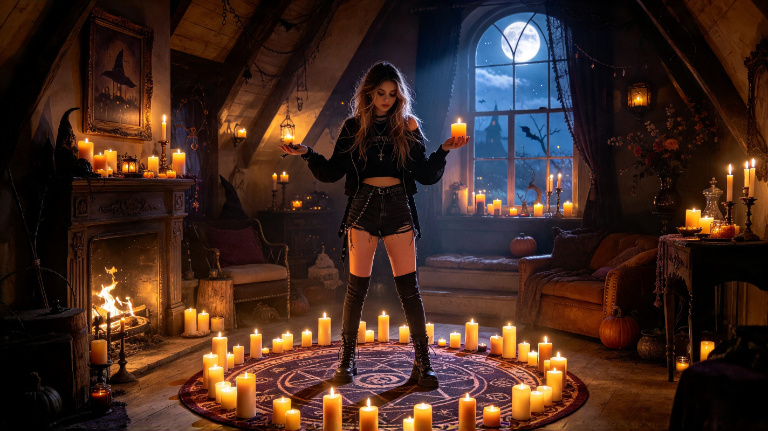
At the centre of a powerful coven stands the High Witch, the person responsible for guiding the group, preserving its traditions, and making difficult decisions. She might be an elderly practitioner with decades of experience, a young witch whose abilities emerged unusually early, or a quiet figure whose true strength becomes apparent only when danger arrives. The title does not have to belong to a woman, although many fictional traditions use the name High Witch for their leading female practitioner.
The High Witch rarely works alone. Around her is an inner circle of trusted members, each bringing a different talent to the coven. One may be an expert in divination, another in herbal magic, and another in protective spells. A keeper of records might preserve the coven’s history, while a guardian watches over its gathering place and magical artefacts.
Of course, putting powerful personalities together does not guarantee harmony. One witch might believe the coven should remain hidden, while another wants to expand its influence. A gifted younger member may question the High Witch’s authority, especially if an old rule appears to be holding the group back. Even genuine affection can become tangled with ambition, jealousy, and the desire to prove oneself.
Meet a few characters who might form the heart of a memorable coven:
-
The High Witch: The leader and final decision-maker, known for her wisdom, formidable magical ability, and knowledge of the coven’s oldest secrets.
-
The Seer: A diviner who interprets dreams, reads omens, and warns the group about possible dangers.
-
The Keeper of the Grimoire: A scholar who protects ancient spells, translates forgotten languages, and knows which pages should never be opened.
-
The Potion Master: An expert in herbs, oils, brews, and magical preparations, with a cupboard full of ingredients nobody else is allowed to touch.
-
The Guardian: A fierce protector responsible for the coven’s boundaries, defensive enchantments, and response to threats.
-
The Wild Witch: An unpredictable practitioner whose unusual magic often solves problems that traditional methods cannot.
The most interesting covens are not made up of witches who agree on everything. Their differences create tension, but those same differences can make them stronger. The real question is whether the High Witch can keep everyone working together when their ambitions begin to clash.
Forbidden Spells and the Coven’s Dark Secrets
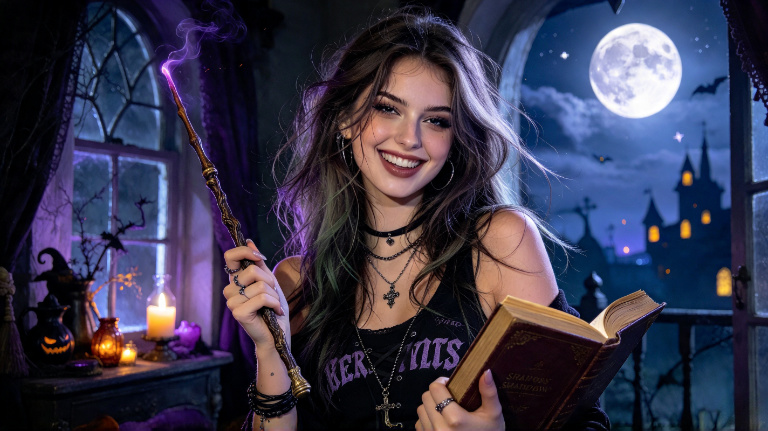
Every powerful magical tradition has knowledge that demands caution. Within a secretive coven, certain spells may be reserved for emergencies, locked away in restricted grimoires, or forbidden entirely because of what happened the last time someone attempted them. The danger might come from the spell itself, the entity it calls upon, or the price the caster must pay to achieve the desired result.
Imagine an ancient book bound in black leather, with silver lettering that changes whenever someone looks away. Most of its pages contain ordinary records of the coven’s history, but a final section is sealed with wax bearing the symbol of its founder. The High Witch keeps the book locked in a protected chamber and insists that nobody open it without permission. Yet one night, a member discovers that the seal has already been broken.
The forbidden section might contain a spell capable of revealing a hidden enemy, summoning a spirit from another realm, or unlocking a doorway that has remained closed for centuries. Perhaps the spell was created to protect the coven during a terrible war, but its use also awakened something that should have remained asleep. Now the witches must decide whether the knowledge is worth the risk of repeating an ancient mistake.
Here are some forbidden magical secrets that could exist within a coven’s hidden library:
-
The Binding of the Nameless: An ancient enchantment designed to restrain a dangerous supernatural entity whose true name has been lost.
-
The Mirror of Unspoken Truths: A cursed artefact that reveals concealed secrets, including truths that could destroy friendships and alliances.
-
The Midnight Grimoire: A book containing spells that appear only under particular lunar conditions.
-
The Doorway Ritual: A dangerous working intended to open a passage between worlds, requiring several witches to maintain the protective circle.
-
The Founder’s Last Spell: A mysterious working left unfinished by the coven’s original leader, with instructions that contradict everything the current High Witch teaches.
Forbidden magic is not always evil. Sometimes, it is simply too powerful to use carelessly. A spell that saves the coven during a crisis could also bring an old enemy to its doorstep, while a cursed object might offer a useful ability at an unacceptable cost.
The greatest secret may be that the High Witch knows more about these spells than she admits. Perhaps she has already used one, or perhaps she is protecting the coven from a truth that would change everything.
The Coven’s Code and Sacred Laws
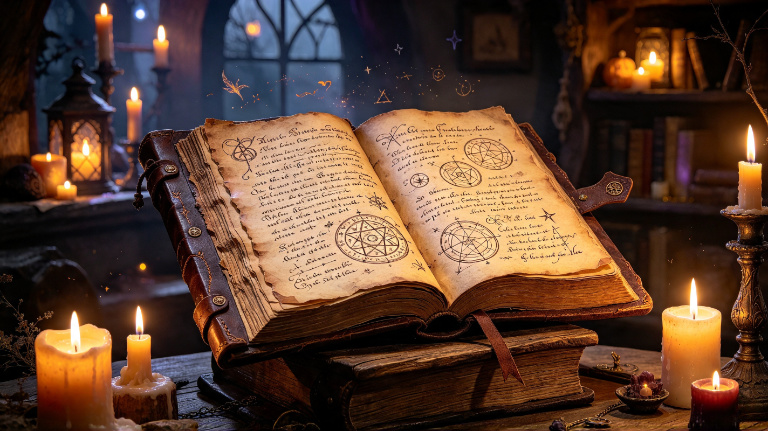
A coven without rules can quickly become a gathering of competing ambitions. When several witches share magical knowledge, sacred objects, and responsibility for one another, they need clear boundaries. The coven’s code establishes what members owe each other, which traditions must be preserved, and what happens when someone breaks the trust that holds the circle together.
The oldest laws may be written in an ancient grimoire, recited during initiation, or memorised by every member. Some rules concern practical matters, such as protecting the gathering place and keeping the magical library secure. Others are deeply personal, dealing with honesty, loyalty, and the responsible use of magical abilities. The High Witch may interpret these laws, but even she might be expected to follow the most sacred traditions.
Not every rule needs to be harsh. A strong coven can encourage members to disagree, question decisions, and develop their own magical talents. The important distinction is between challenging an idea and deliberately endangering the people who have trusted you. A member who asks difficult questions might be welcomed as a valuable voice, while someone who repeatedly betrays confidences could lose the privilege of participating in certain rituals.
A coven’s code might include these seven laws:
-
Protect the Circle: Do not deliberately expose members to danger or reveal their private identities without permission.
-
Respect the Craft: Treat magical knowledge, sacred objects, and ritual spaces with care.
-
Keep Your Oaths: Do not make promises lightly, especially those involving the safety of the coven.
-
Share Knowledge Wisely: Teach willing members, but do not hand dangerous secrets to someone who has not been prepared to understand them.
-
Respect Each Witch’s Path: Members may practise different forms of witchcraft without being forced to follow one identical tradition.
-
Never Abuse Your Position: Leadership is a responsibility, not permission to control or exploit other members.
-
Face the Consequences: Anyone who causes harm must answer for their actions, regardless of their magical ability or status.
Breaking these laws can have serious consequences within the story of a coven. A minor offence might result in a warning or temporary loss of privileges. A major betrayal could lead to a formal hearing before the inner circle, the removal of a member’s title, or expulsion from the group.
The most feared punishment might be banishment. For a witch who has spent years learning alongside the same people, losing her place in the circle could be devastating. And if she knows the location of the coven’s gathering place or the secrets hidden in its library, her departure could create a danger that lasts for generations.
Familiar Spirits and Magical Creatures
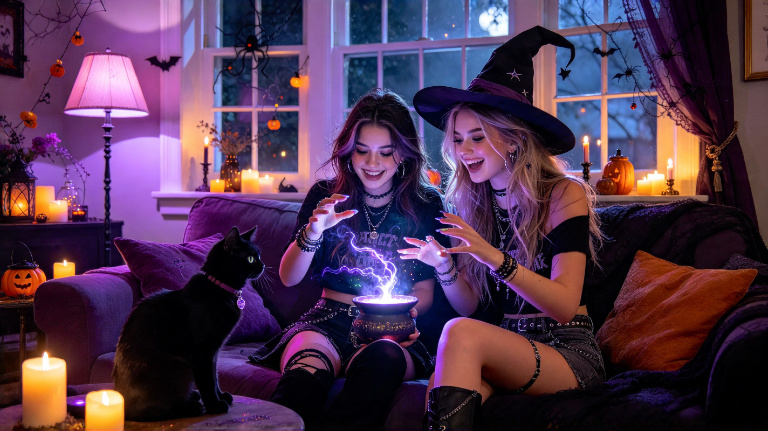
Some covens have members whose companions are every bit as mysterious as the witches themselves. Familiars and magical creatures may serve as guardians, messengers, scouts, or companions, with certain beings forming deep bonds with individual practitioners. In a magical coven, these relationships can be respected as an important part of the group’s life rather than treated as a curiosity.
Black cats are among the most recognisable companions associated with witchcraft. Within a coven, a familiar cat might roam the halls of an enchanted manor, curl up beside the High Witch during long nights of study, or appear beside a member who needs comfort. Ravens may be valued for their sharp awareness and association with prophecy, while fox spirits can serve as clever guides through enchanted forests. Shadow wolves, meanwhile, might guard the boundaries of a hidden gathering place.
Not every magical creature belongs to a single witch. Some are considered guardians of the entire coven, with their own places within its traditions. An ancient raven might have witnessed generations of High Witches rise and fall. A fox spirit might know hidden paths that no human has ever found. A mysterious being living beneath the gathering place could even be older than the coven itself.
Here are some familiar spirits and creatures that could play important roles:
-
Black Cat Familiars: Companions associated with protective magic, heightened awareness, and the ability to notice changes in a familiar environment.
-
Ravens: Watchful messengers that can carry warnings, observe distant places, and feature in divination rituals.
-
Fox Spirits: Clever guides that know hidden paths and can help witches navigate enchanted territory.
-
Shadow Wolves: Fierce guardians that patrol the edges of a coven’s grounds and stand beside witches during dangerous encounters.
-
Owls: Nocturnal companions associated with night rituals, quiet observation, and the interpretation of mysterious signs.
-
Serpents: Ancient magical beings that may guard sacred objects or appear in rituals connected with transformation and hidden knowledge.
-
Spirit Guides: Otherworldly companions who may communicate through dreams, visions, or carefully conducted spiritual practices.
The coven must also decide how these beings are treated. A familiar is not simply a tool to be ordered around, and a powerful spirit may have its own wishes and boundaries. Respect is essential, particularly when a creature has agreed to protect the coven or share knowledge with its members.
One of the most intriguing possibilities is that a familiar knows something the witches do not. Perhaps the raven refuses to enter the library, the black cat becomes restless whenever the High Witch approaches, or the shadow wolves begin gathering outside the forest before anyone has sensed a threat. Sometimes, the creatures notice trouble long before the coven does.
The Coven’s Enemies: Witch Hunters and Rival Orders
A secretive coven may have good reasons for keeping its existence hidden. Its enemies could include rival magical groups, people seeking to steal its knowledge, supernatural beings that resent its influence, or witch hunters determined to destroy its traditions. These conflicts often become part of the coven’s identity, shaping its protective rituals and the rules it teaches to new members.
Witch hunters are among the most familiar enemies in stories about covens. Some may be ordinary people convinced that magic should not exist, while others possess their own supernatural abilities and know exactly how to exploit a witch’s weaknesses. They might search for old grimoires, track unusual events, or attempt to infiltrate the coven by pretending to be interested in learning its craft.
Rival covens can be even more complicated. Two groups may have once shared the same founder before splitting over a disagreement about forbidden magic. One may believe the ancient spells should remain locked away, while the other insists that such power is necessary to protect the magical world. Their feud could last for centuries, with each generation inheriting the mistrust of the one before it.
Other threats might come from beyond the human world. A spirit angered by an old ritual, a supernatural creature seeking a stolen artefact, or a former member who has become obsessed with revenge could put the coven at risk. Not every enemy needs to be entirely evil, either. Sometimes, both sides believe they are protecting something important.
A coven might face several kinds of enemies:
-
Witch Hunters: Determined opponents who investigate magical activity and attempt to expose or dismantle the coven.
-
Rival Covens: Competing groups with different traditions, conflicting goals, or a shared history of betrayal.
-
Collectors of Forbidden Artefacts: Individuals who want to steal magical objects for personal power or profit.
-
Supernatural Predators: Entities attracted to powerful rituals, sacred locations, or the energy released during magical gatherings.
-
Betrayers from Within: Former members who know the coven’s weaknesses, hidden entrances, and most closely guarded secrets.
-
Ancient Curses: Magical consequences from an event in the coven’s past that have never been properly resolved.
When danger arrives, the High Witch must decide whether to fight, negotiate, hide, or seek help from another magical group. Sometimes, the best protection is a powerful enchantment. At other times, survival depends on trusting someone the coven once considered an enemy.
The most dangerous conflict is often the one that forces a witch to question everything she has been taught. If an old rival knows the truth about the coven’s founder, should that information be heard, even if it threatens the High Witch’s authority?
The Night of the Grand Sabbat
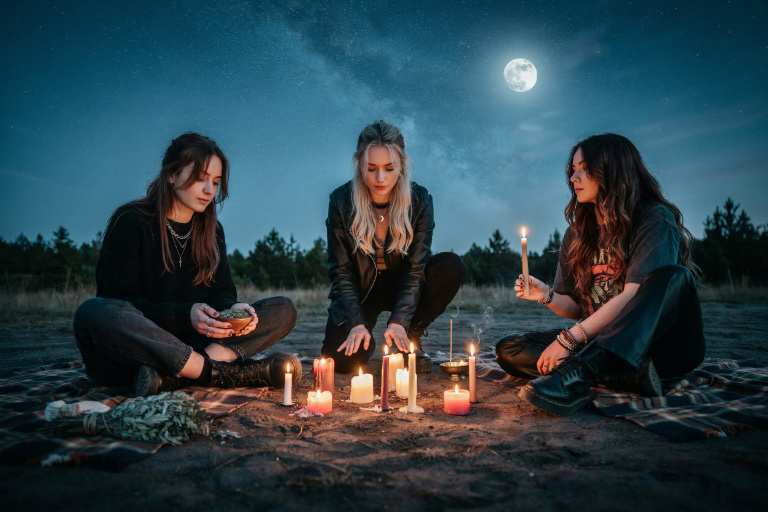
Once a year, the coven holds its Grand Sabbat, the most important gathering in its calendar. It is a night of celebration, remembrance, magical work, and renewal, when members travel from distant places to stand together in the sacred circle. For an ancient coven, this gathering may be the one occasion when every member is expected to attend, regardless of rank or magical ability.
Preparations begin well before sunset. The gathering place is cleaned and decorated, candles are arranged around the ritual space, and the Keeper of the Grimoire selects the texts that will be used during the ceremony. Members prepare food, brew traditional drinks, gather seasonal herbs, and bring offerings chosen for the occasion. Familiars may accompany their witches, while guardians patrol the surrounding grounds to ensure the celebration remains undisturbed.
As night falls, the coven gathers beneath the moon. The High Witch opens the ceremony by welcoming the members and honouring those who came before them. Each witch may light a candle, speak a personal intention, or share an achievement from the past year. Some traditions include dancing, drumming, chanting, storytelling, and divination, allowing members to celebrate their connection while reflecting on what lies ahead.
The Grand Sabbat can be organised around a series of special events:
-
The Opening of the Circle: The High Witch welcomes everyone and marks the beginning of the sacred gathering.
-
The Lighting of the Ancestors’ Candles: Members remember former witches whose knowledge and sacrifices helped preserve the coven.
-
The Sharing of Magical Knowledge: Experienced practitioners demonstrate techniques, teach lessons, or reveal discoveries made during the year.
-
The Feast of the Coven: Members share a meal, exchange gifts, and strengthen the friendships that hold the group together.
-
The Divination Ceremony: The Seer interprets dreams, tarot cards, runes, or other chosen methods to offer guidance for the coming year.
-
The Renewal of Oaths: Members reaffirm their commitment to the coven and settle disagreements before they grow into larger conflicts.
-
The Midnight Working: The High Witch leads a special ritual reserved for this occasion, perhaps intended to renew the coven’s protection or honour its founding purpose.
-
The Closing of the Circle: The gathering ends with blessings, farewells, and the extinguishing of the ceremonial candles.
What makes the Grand Sabbat truly special is that it brings the entire coven together. Members who spend much of the year studying alone or travelling between distant places finally have time to reconnect. Old friendships are renewed, new witches are welcomed, and stories are shared that may never appear in the official records.
But the night can also be a turning point. A hidden prophecy might finally be revealed, a missing member might return, or the High Witch could announce a decision that changes the coven forever. If the Grand Sabbat is the one night when every witch gathers in the same place, it is also the one night when the coven is most vulnerable to secrets coming into the open.
The Magic of Belonging to a Witch’s Coven
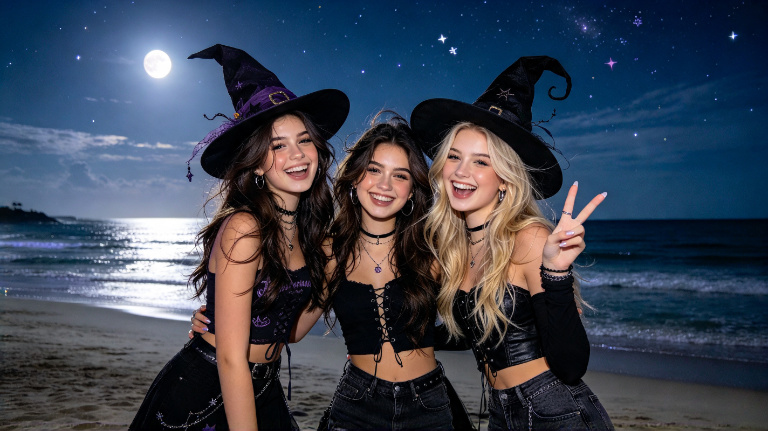
A witch’s coven is built on more than spells, rituals, and mysterious gathering places. At its heart is the bond between people who share a love of magic and a desire to deepen their understanding of the craft. The coven might be ancient or newly formed, large or small, traditional or completely unconventional. What matters is the purpose that brings its members together and the trust they build over time.
For some witches, a coven offers the chance to learn from experienced practitioners, discover unfamiliar magical traditions, and develop skills they might struggle to explore alone. For others, it provides friendship, a sense of belonging, and a place where their spiritual interests are understood rather than dismissed. Working together can also introduce witches to perspectives they would never have encountered within their own practice.
Of course, belonging to a coven comes with responsibilities. Members must respect one another’s boundaries, protect private information, and recognise that leadership should be earned through wisdom and integrity rather than fear. A group may have beautiful rituals and impressive magical knowledge, but those things mean little if its members cannot trust one another.
And perhaps that is what makes the idea of a witch’s coven so fascinating. Behind the candlelight, ancient books, familiars, and whispered spells lies a story about loyalty, ambition, friendship, and the secrets people choose to protect. Some covens might gather beneath a full moon in a hidden forest, while others meet quietly in an ordinary room with a few candles and a well-loved grimoire.
Every coven has its own story waiting to be told. Perhaps yours begins with a mysterious invitation, a dream that refuses to leave you alone, or the discovery of an old book that seems to be calling your name. The circle is waiting, but before you step inside, remember one thing: the most powerful covens are not necessarily those with the darkest secrets or the strongest spells. They are the ones whose members know why they stand together.