


The Witch Who Follows No Single Path
There’s a kind of witch out there who doesn’t fit neatly into any one box — and honestly, that’s exactly the point. She might light a candle to a Norse goddess on Monday, pull tarot cards on Tuesday, and spend Wednesday burying herbs in her garden while whispering something her grandmother used to say. Nobody handed her a rulebook, and even if they had, she probably would’ve used it to press flowers.
Eclectic witches are everywhere, and they’ve always been. Long before witchcraft had labels and online communities and aesthetic Pinterest boards, there were people quietly pulling from whatever magic spoke to them — mixing folk remedies with prayer, blending old village wisdom with whatever tradition lived down the road. It was practical. It was personal. It worked. That kind of magic has never really gone anywhere.
What makes an eclectic witch stand out isn’t what she believes — it’s how she believes it. There’s a deep, almost stubborn trust in her own instincts. She’s not waiting for permission from a tradition, a teacher, or a coven to tell her what’s sacred. She already knows what makes her soul feel lit up from the inside, and she builds her whole practice around that feeling. That’s not laziness or lack of commitment — that’s actually a pretty radical act of self-trust.
If you’ve ever felt like you were “doing witchcraft wrong” because you couldn’t just pick one path and stay there — this one’s for you. The eclectic witch isn’t lost. She’s just free.
What Is an Eclectic Witch?
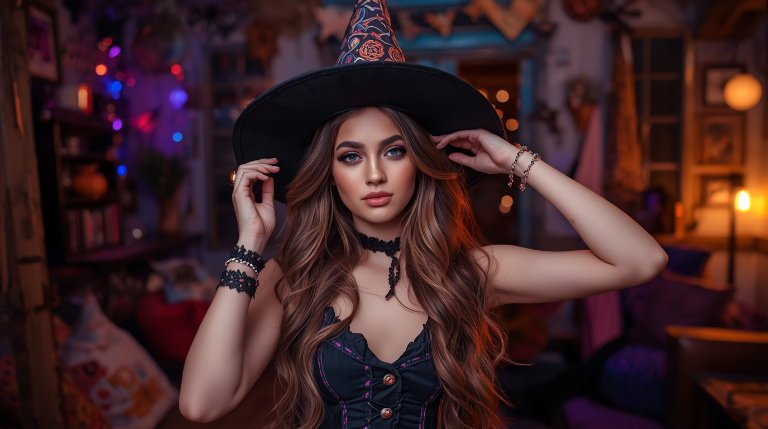
An eclectic witch is someone who builds their magical practice by drawing from multiple traditions, systems, and spiritual paths — rather than following just one. Think of it like a magical potluck. Wicca brings the ritual structure. Hoodoo brings the roots and rootwork. Kitchen witchery brings the everyday magic. Paganism brings the nature connection. The eclectic witch takes what feels right from each table and leaves the rest. No single tradition owns her whole practice.
This is different from being a solitary witch (though many eclectic witches are solitary), and it’s different from being eclectic just because you’re still figuring things out. A lot of eclectic witches have been at this for years — they’ve studied Wicca, read about ceremonial magic, explored chaos magic, sat with folk traditions — and they’ve made intentional choices about what they carry with them. The eclecticism isn’t accidental. It’s chosen.
There’s sometimes a snobbish attitude in certain witchcraft communities that eclectic practice is somehow less serious or less powerful than staying within a closed or structured tradition. That’s worth calling out, because it’s just not true. Magic responds to intent, sincerity, and energy — not to whether you followed someone else’s system to the letter. An eclectic witch who has deeply studied what she uses and genuinely connects with her practice is working real magic, full stop.
What all eclectic witches tend to share is a strong inner compass. They’re drawn to research, to experimentation, to asking questions. They get excited when they find a new herb that clicks with something they already do, or a deity from a tradition they hadn’t explored who suddenly makes total sense to them. The practice is always alive, always growing. It doesn’t fossilize into a fixed set of rules because it was never meant to.
The Art of Making It Your Own — Picking Your Tools, Your Traditions, and Your Magic
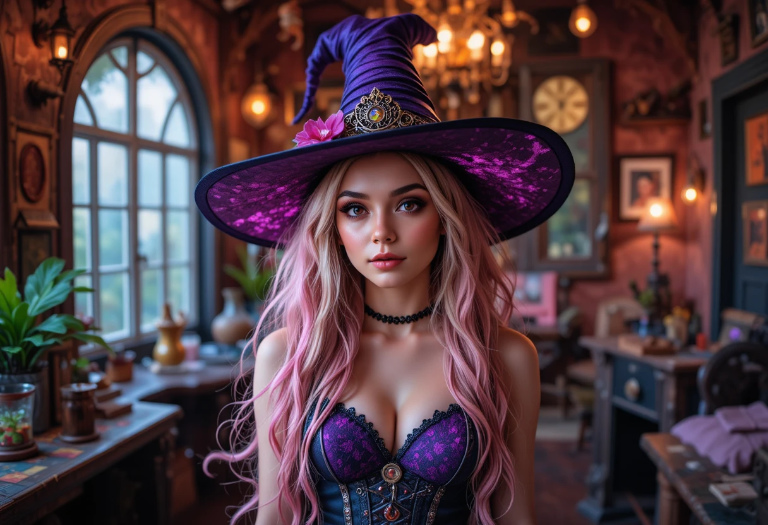
One of the most freeing things about eclectic witchcraft is that you get to decide what’s on your altar. Crystals? Sure, if they call to you. Herbs? Absolutely, if you love working with them. A deity from a pantheon that resonates in your bones even though you weren’t raised in that tradition? Yes, that too. Divination tools — tarot, oracle, runes, a pendulum you found at a market — all of it is on the table. The eclectic witch curates her own magical toolkit the way you’d curate a home: with intention, with personal taste, and with zero obligation to match a set someone else designed.
The traditions themselves get blended the same way. An eclectic witch might structure her sabbat celebrations loosely around the Wiccan Wheel of the Year because it connects her to seasonal rhythms — but she might pull in folk magic from her own cultural heritage for the actual rituals. She might work with energy in the way she learned from reading about chaos magic, while also keeping a hearth goddess she first met in a Celtic myth. These things don’t have to fight with each other. In her practice, they become a whole that’s uniquely hers.
Herbs and crystals often become anchor points because they’re tactile — something you can hold, smell, carry in a pocket. An eclectic witch might use lavender because she read about its calming magical properties and because her grandmother always had it growing by the door. That personal layer — the way magic intersects with memory and meaning — is part of what makes eclectic practice so potent. You’re not just following a recipe. You’re building a language.
Energy work weaves through all of it. Whether she calls it raising energy, setting intention, or just “doing the thing,” the eclectic witch is always tuning into what’s moving in a space, in her body, in the world around her. She might draw on Reiki principles one day and visualisation techniques from a completely different source the next. The point is never the method. The point is the connection.
Building a Practice That Actually Feels Like You
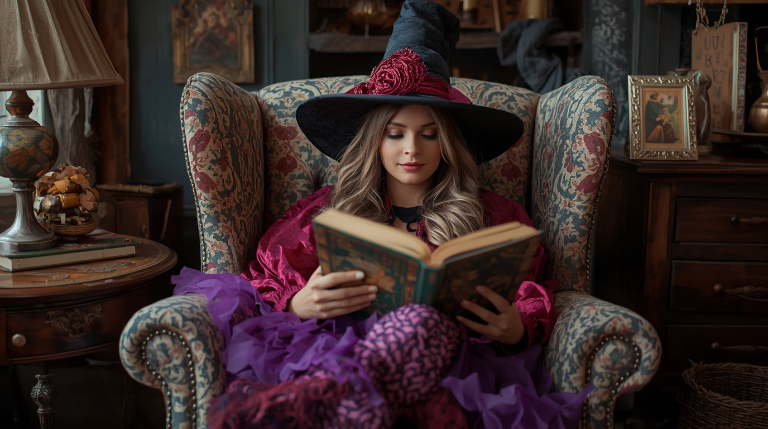
A lot of people come to witchcraft through someone else’s framework first — a book, a YouTube channel, a friend who’s been practicing for years. That’s totally fine as a starting point. But there comes a moment, for most eclectic witches, where they start noticing which parts of what they’ve learned actually land — the things that make them feel like something real is happening — and which parts feel like they’re just going through motions. That noticing is important. That’s the beginning of an intuitive practice.
Intuitive magic isn’t winging it. It’s a skill built on paying close attention to yourself — what stirs something in you, what falls flat, what symbols keep showing up in your dreams and your life, what colours or scents or sounds make you feel more like yourself. When you start tracking that stuff, you start building a personal symbolic language that’s more powerful than any correspondences chart you could memorise, because it’s yours. A candle colour that holds deep meaning for you personally will carry more weight in your spell work than the “correct” colour from a book you don’t connect with.
Creating personal rituals is one of the most satisfying parts of eclectic witchcraft. Maybe you’ve noticed that you always feel more magical right after a shower, so you start treating that as a cleansing ritual. Maybe certain music makes you feel like you could do anything, so you create a playlist that you only play when you’re casting. Maybe there’s a specific walk you take when you need to think, and gradually it becomes a walking meditation, a moving prayer, a ritual without a name. Rituals don’t have to come from a book. They can come from you noticing what already works.
The key is trusting that your personal resonance matters. Eclectic witchcraft says: your connection to something is part of what makes it sacred. You don’t have to justify your practice to anyone. You don’t have to explain why you keep a piece of sea glass on your altar or why you always face west when you cast. If it feels true, it is.
Eclectic Witchcraft in Daily Life
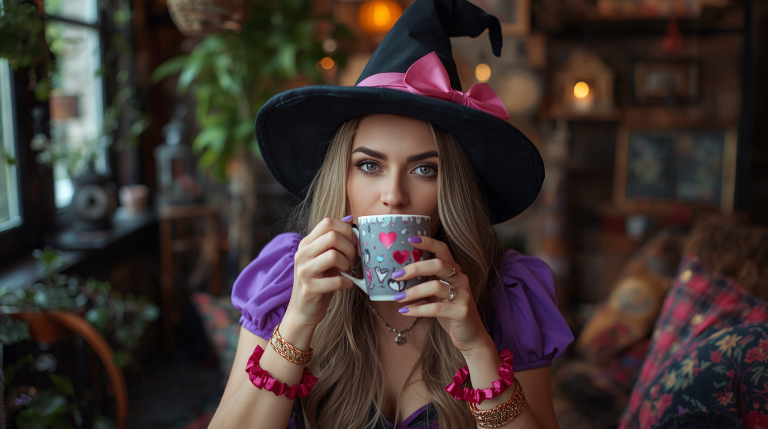
Witchcraft doesn’t have to be a big production. For most eclectic witches, the magic is actually woven through the ordinary stuff — the morning coffee, the commute, the way they get ready for bed. Micro-rituals are everywhere once you start looking. Stirring your morning drink clockwise to draw in good energy. Setting a small intention when you light a candle. Choosing what to wear with a little bit of colour magic in mind. None of it takes extra time. It just takes a little bit of attention.
Morning routines are a natural place for magic to live. Some eclectic witches pull a single tarot or oracle card first thing — not to predict the day, just to give the day a theme to sit with. Others spend a few minutes at a window, checking in with the weather, the light, the season — staying connected to the natural rhythms that witchcraft has always been rooted in. A quick grounding exercise before the chaos of the day starts is a ritual too. It doesn’t have to be elaborate to count.
Evenings tend to have their own energy — slower, more reflective. Night witch routines might include journaling, reviewing what magical threads showed up through the day, cleansing the space, or simply spending a few minutes in silence with a candle burning. Some eclectic witches do a brief protection or warding practice before sleep, or they set out water to charge in the moonlight when it’s full. Small things. Consistent things.
The real magic of daily practice isn’t in any single ritual — it’s in the accumulation. When you live with a magical mindset threaded through your everyday, you start noticing synchronicities more. You start feeling more connected to yourself, your environment, and whatever it is you call the sacred. Daily life becomes a little less mechanical and a little more alive.
Cherry-Picking Magical Systems — A Bit From Here, a Bit From There
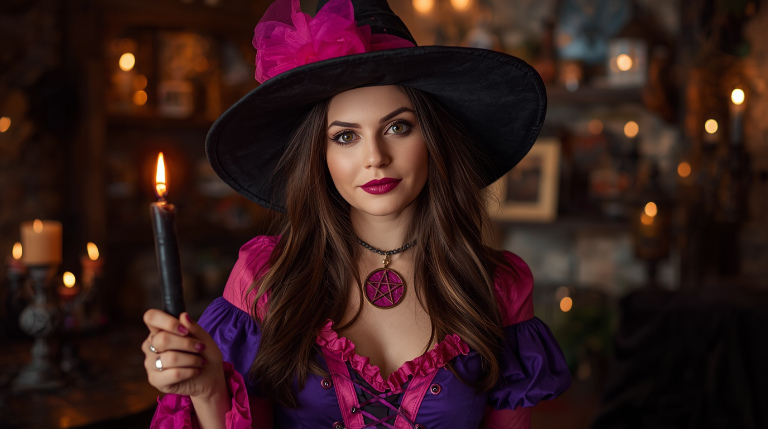
Eclectic witches are, at heart, magical researchers. They read widely, follow curiosity down rabbit holes, and aren’t afraid to dip into systems that seem completely different from each other on the surface. Chaos magic might sit next to a folk witchcraft tradition. Vedic astrology might inform spell timing in a practice that’s otherwise rooted in Western paganism. Sigil work from one system might sit alongside prayer from another. This is the eclectic method: try it, see what happens, keep what works.
There’s something genuinely brave about this approach. It requires you to stay humble — to admit that no single tradition has all the answers, and that wisdom can come from unexpected places. It also requires discernment, especially when approaching traditions that belong to living cultures. Borrowing a concept from a tradition you’ve studied deeply and connected to is different from grabbing surface-level aesthetics without understanding or respecting what you’re taking. Eclectic witches who do this well tend to be curious and careful.
The practical magic of cherry-picking is that your toolkit becomes incredibly versatile. You learn what different systems are actually good at — maybe folk magic gives you the most direct results for day-to-day protection work, while ceremonial ritual feels right for the bigger, more significant castings. Maybe divination from one system gives you emotional clarity, while another gives you clearer practical guidance. You start knowing which tool to reach for and why.
And every new system you explore adds something. Even if you only take one idea from something you studied for a month and then moved on from, that idea is part of your practice now. The eclectic witch’s path is always getting richer.
Shadow Work for the Eclectic Witch
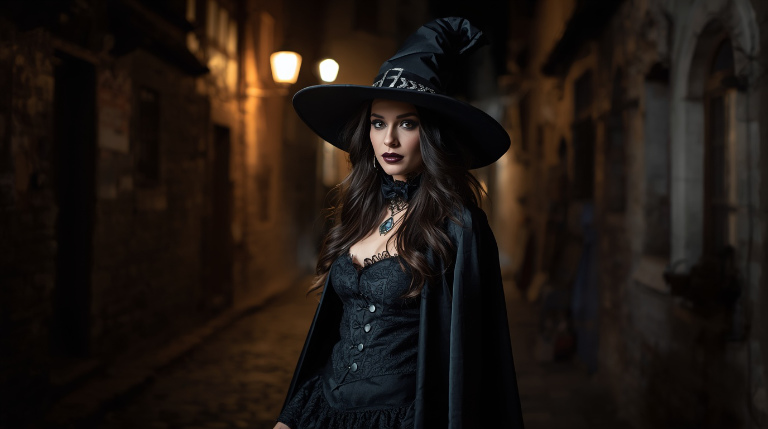
Shadow work is the part of the practice nobody really warns you about, but almost every eclectic witch eventually finds her way there. It’s the work of looking at the parts of yourself you’d rather not — the fears, the wounds, the patterns that keep repeating, the things you react to too strongly and don’t quite understand why. It’s uncomfortable. It’s also some of the most genuinely transformative magic there is.
For the eclectic witch, shadow work doesn’t look one specific way — and that’s actually an advantage. She can draw on Jungian psychology, ritual, journaling, divination, deity work, or whatever combination opens her up most effectively. Tarot is a classic shadow work tool because the cards have a way of saying what you weren’t ready to say to yourself yet. Working with a deity associated with the underworld or transformation — Hekate, the Morrigan, Kali, Persephone — can create a container for this kind of deep internal work. Some eclectic witches write letters to the parts of themselves they’re working with. Some create spells specifically designed to release or integrate.
The eclectic approach to shadow work is also more willing to mix and match healing modalities with magical ones. Therapy and magic aren’t opposites — they often go hand in hand. Breathwork, somatic practices, or even just long honest conversations with trusted people can all be part of how an eclectic witch does this work. Magic can open a door; other tools can help you walk through it.
What shadow work ultimately does for the eclectic witch is make the rest of the practice more powerful. When you know yourself better — when you’ve looked at your own depths without flinching too much — your intentions become clearer, your energy is less tangled, and your magic has fewer places to get stuck.
The Eclectic Witch’s Book of Shadows
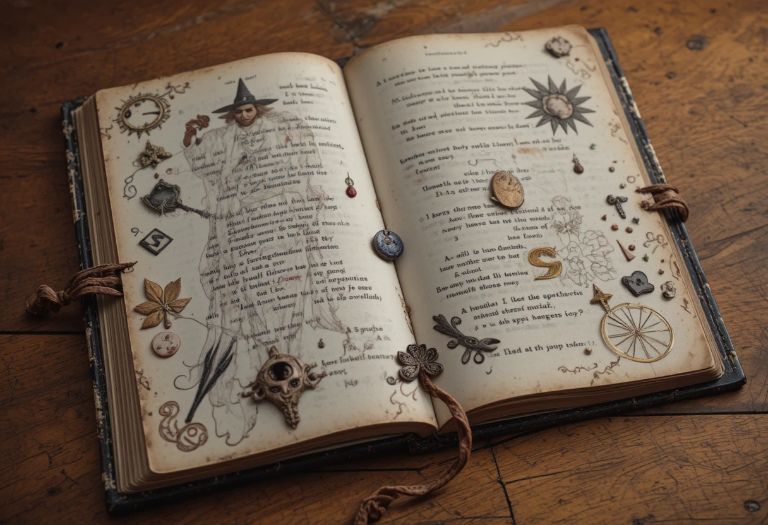
The Book of Shadows is the eclectic witch’s most personal tool, and it probably looks nothing like anyone else’s. It might be three different journals, a binder full of printed articles and handwritten notes, a folder on a laptop, a combination of all of these. It might have coffee stains and crossed-out sections and a spell that clearly didn’t work with a big “DO NOT REPEAT” written next to it. It might have scraps of paper tucked into the back and a pressed flower from a ritual that meant a lot. It’s messy. It’s alive.
Unlike the beautifully uniform grimoires you might see in witchcraft aesthetics online, an eclectic witch’s Book of Shadows is a working document. It changes as she changes. Notes from five years ago might be crossed out or built upon. Ideas she was excited about got tested and either made it into the regular practice or got a polite note explaining why they didn’t. It’s less a sacred text and more a living record of a mind in motion.
Building your BoS doesn’t have to be a project you prepare for — just start. Write down what you tried and what happened. Note what you felt during a ritual, not just what you did. Record your dreams when they feel significant. Paste in a quote from something you read that clicked with something in your practice. Add correspondences you’ve discovered through experience, not just the ones from the books. Date things so you can look back and see your own evolution.
The most powerful Books of Shadows aren’t the prettiest ones. They’re the honest ones — the ones where you can actually trace a person becoming a witch, figuring it out one page at a time.
The Freedom of Eclectic Magic
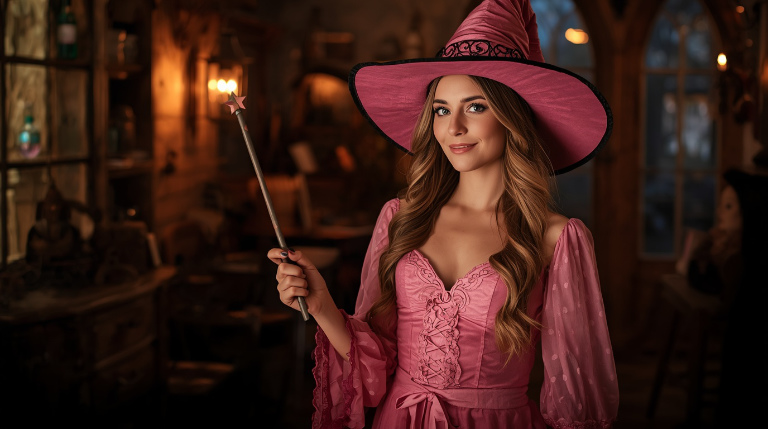
There’s a kind of deep exhale that happens when a witch realises she doesn’t have to do this anyone else’s way. Eclectic magic is fundamentally an act of trusting yourself — trusting your instincts, your curiosity, your inner knowing over any external authority. That’s not a small thing. In a world that spends a lot of energy telling people what they should want and how they should do things, choosing to build a spiritual practice based entirely on what resonates with you is genuinely radical.
The freedom doesn’t mean anything goes without thought or care. The most committed eclectic witches are usually deeply curious, constantly learning, and genuinely reflective about what they’re doing and why. But the motivation comes from inside — from love of the craft, from the way magic makes them feel connected to something larger — rather than from fear of getting it wrong or needing external validation.
Eclectic witchcraft also makes room for you to change. And you will change. The path that fits you at 22 might feel different at 35 or 50 — and that’s not failure, that’s growth. The practice grows with you. That’s one of the greatest gifts of this path: it was always meant to be yours, which means it was always meant to move as you move.
There Is No Wrong Way to Be a Witch

At the end of the day, every magical tradition started somewhere with someone. Someone who looked at the world and felt something in it, reached toward that feeling, and started working with it. They didn’t have a map. They made the map. And then other people found it useful and added to it. That’s how all of this began.
The eclectic witch is doing the same thing, just consciously. She’s not waiting to be handed a tradition — she’s living one, building one, carrying it forward every time she lights a candle with intention or steps outside to feel the full moon. The path behind her is already longer than she thinks. The path ahead is entirely open.
You are not too scattered to be a witch. You are not doing it wrong because you can’t stay in one lane. You are exactly where you’re supposed to be — picking up the pieces of magic that call to you, carrying them with care, and making something that has never existed before.
That’s not eclectic witchcraft. That’s your witchcraft. And it was always enough.