

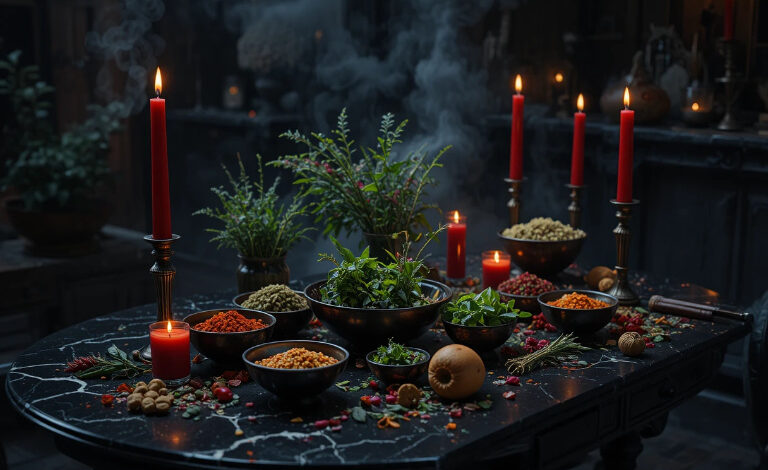
Herbs have been part of human magic for as long as humans have been human. Long before anyone wrote anything down, people were gathering plants from the earth, learning their names, their natures, their moods — and working with them to heal, to protect, to bring love closer and keep danger away. This knowledge passed from hand to hand, grandmother to grandchild, healer to apprentice, across thousands of years and every continent on earth. What you’re stepping into when you start working with herbs isn’t a trend. It’s one of the oldest conversations our species has ever had.
The good news is you don’t need a dedicated altar room, a collection of rare ingredients, or years of training to start. Everyday witchcraft is exactly what it sounds like — magic woven into the ordinary fabric of your day. The rosemary on your windowsill is already doing something. The chamomile tea you make when you’re anxious is already a ritual, whether or not you’ve named it that. Working with herbs just means you start paying attention to what’s already happening, and then you begin to work with it more consciously, more deliberately, more lovingly.
This is a practical guide. It covers the herbs you can actually get your hands on, the ways you can use them without needing specialized tools, and the logic behind how herb magic works so you can start making your own decisions rather than just following recipes. Whether you’re brand new to witchcraft or you’ve been practicing for years and want to deepen your relationship with plant magic, this is a place to start. The earth has been waiting to have this conversation with you for a long time.
Why Herbs Work in Witchcraft

Every plant carries energy. That’s not a metaphor — it’s the foundational understanding behind herb magic, and once you feel it, you don’t forget it. Each herb has a signature, a personality, a particular kind of power that it’s known for and drawn to. Lavender calms. Rosemary protects and clarifies. Mugwort opens the dreaming mind. Basil draws abundance. These correspondences weren’t invented arbitrarily. They were observed, tested, and confirmed over generations of practice by people who paid very close attention.
When you bring an herb into your magic, you’re inviting that plant’s specific energy to join your intention. You’re not doing the work alone — you’re entering a partnership. The herb brings its nature, you bring your will and focus, and together the two create something stronger than either could alone. That’s the mechanic. That’s why it works.
You also don’t have to choose between science and magic here. Many herbs that are traditionally used in witchcraft are also clinically studied for their effects — lavender genuinely reduces cortisol, chamomile genuinely calms the nervous system, rosemary genuinely supports memory and focus. The plants are real. Their effects are real. Magic is just the older name for understanding how living things relate to each other.
Building Your Everyday Herb Witchcraft Practice
Start with What You Already Have
The most powerful place to begin is your own kitchen. Chances are you already own some of the most useful herbs in the craft. Before you buy anything, open your spice cabinet and see what’s there.
Rosemary is one of the most versatile herbs in witchcraft. It’s protective, it clears stagnant or negative energy, it sharpens the mind, and it’s traditionally associated with remembrance and loyalty. You can burn a sprig of dried rosemary like incense to cleanse a room. You can add it to a bath for protection. You can hold it in your hand while you set an intention and feel how clarifying and focused its energy is.
Basil is an herb of abundance, luck, and love. In many traditions it’s placed near the door to attract prosperity, or kept in the kitchen to bless the home. Cooking with basil while holding a clear intention in your mind is a completely legitimate magical act — you’re literally building the energy into the food.
Cinnamon is fast-moving, action-oriented energy. It accelerates things, draws money and success, adds fire and momentum to spells that feel slow or stuck. A pinch of cinnamon in your morning coffee while you think about a goal you’re working toward is simple, effective herb magic.
Chamomile is gentle and patient. It soothes anxiety, invites calm, supports sleep, and is often used to smooth the way when things feel blocked or difficult. Chamomile tea before bed, made with genuine attention to what you’re releasing as you drink it, is a ritual. You just have to show up to it consciously.
Bay leaves are probably the most famous herb in manifestation practice for good reason. Write a word or a wish on a dried bay leaf and burn it to send your intention out into the world. It’s one of the simplest herb spells there is, and people come back to it again and again because it works.
Garlic is one of the oldest protective herbs on the planet. It’s been hung over doors and tucked into corners to ward off negative energy across cultures for thousands of years. Keep a bulb near your entrance, cook with it while visualising a protective shield around your home, or carry a clove when you’re heading into a situation that feels heavy or draining.
Thyme is a small herb with serious range. It builds courage, sharpens psychic awareness, and clears out stagnant energy almost as effectively as rosemary. Burn it, brew it into a tea before a difficult conversation, or add it to a bath when you need to feel brave and clear-headed.
Mint — any variety — is fast and bright and cuts through stagnation like sunlight through a window. It draws money, speeds things up, and sharpens mental focus. Keep a live mint plant in your kitchen or workspace and brush your fingers across the leaves when you need a quick energy reset during the day.
Clove is warming, protective, and magnetic. It’s traditionally used to stop gossip, to draw in good luck, and to add intensity and heat to any spell it joins. A few whole cloves in a small pouch in your pocket is one of the simplest protective charms you can carry.
Ginger brings fire. It accelerates magic, boosts confidence, draws success, and adds urgency to whatever intention you’re working with. If something in your life feels slow or stuck, ginger is the herb you reach for. Add it to tea, cook with it intentionally, or carry a small piece of dried root.
Lemon — peel, juice, or dried slices — is one of the best cleansing agents in the kitchen witch’s toolkit. It cuts through heavy or negative energy, brings clarity, and resets a space that feels thick or off. A water and lemon juice rinse on your floors or windowsills is a classic cleansing ritual that also makes your home smell incredible.
Lavender deserves its own mention outside of the correspondence list because it does more than most people realise. Yes, it calms — but it also opens psychic channels, supports deep dreaming, attracts gentle love, and protects children and vulnerable people. A sachet under a pillow, dried bundles hung in the bedroom, or a few drops of lavender in a diffuser before sleep all count as everyday herb magic.
Sage — the common garden variety, not just white sage — is a powerful cleanser and protector. It clears mental fog as much as it clears energy from a space. Brew garden sage as a tea when your thinking feels cloudy, or burn dried leaves to reset a room after an argument or a particularly hard day.
Oregano might surprise you but it’s been used in folk magic for a very long time. It brings joy, lightens heavy moods, and is associated with good luck and happiness in the home. Cooking with oregano while genuinely calling in warmth and abundance for your household is an act of kitchen witchcraft that feeds people on more than one level.
Black pepper is underestimated by almost everyone who starts working with herbs. It’s fiercely protective, banishes negativity, and creates a kind of invisible barrier between you and things that wish you harm. Sprinkle it across a threshold, add it to protection spells, or carry a few whole peppercorns in your bag. Something that’s already on every kitchen table is also one of the most reliable guardians in the practice.
How to Actually Use Herbs Day to Day
Once you know what you’re working with, the next question is how. Here are the main ways to bring herbs into everyday witchcraft without needing anything complicated.
Burning and smoke: Dried herbs can be burned alone or bundled, and the smoke carries your intention. This doesn’t have to mean a formal smudging ritual — you can simply place a pinch of dried rosemary in a fireproof dish, light it, and let the smoke drift through a room while you hold a clear intention in your mind. Different herbs produce different energies when burned. Rosemary clears and protects. Lavender calms and blesses. Cedar is deeply grounding and protective.
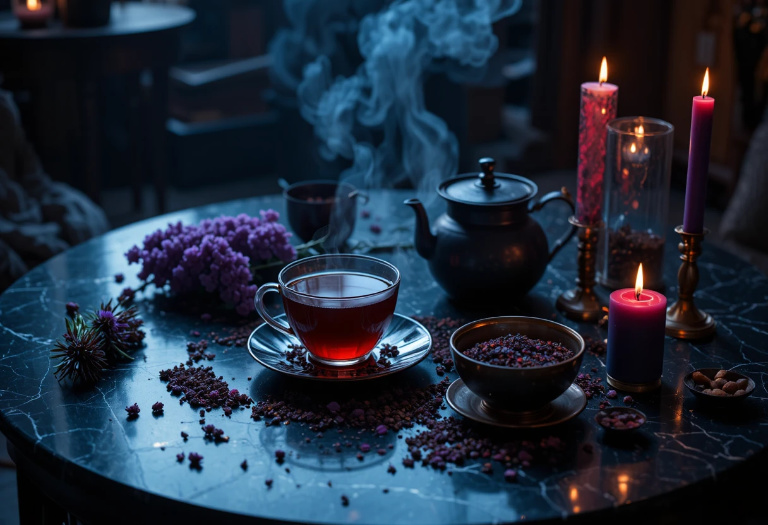
Teas and infusions: Drinking an herb is one of the most direct ways to take its energy into your body. Make your tea slowly and with attention. As the water heats, think about what you’re calling in or releasing. As you drink, you’re not just consuming a beverage — you’re in communion with the plant. Chamomile for peace, peppermint for clarity and energy, rose for self-love, hibiscus for confidence and passion.
Carrying and wearing: You can keep herbs on your body — a sprig of rosemary tucked into a pocket, a small pouch of lavender worn close to your heart, a pinch of protective herbs in your bag or shoe. The herb’s energy travels with you throughout the day and creates a kind of continuous, low-level magical support.
Baths and washes: Herb baths are powerful and deeply pleasurable. You can make a strong tea from your chosen herbs and add it to your bathwater, or simply let herbs float in the water around you. This is especially good for cleansing — drawing out energies you’ve picked up and don’t want to carry, or soaking in the energy of herbs associated with what you’re working toward. A salt and rosemary bath after a hard week can reset your whole energetic field.
Placing and dressing: You can place herbs around your home, your workspace, your bedroom with intention. Lavender under a pillow supports peaceful sleep and prophetic dreaming. A bowl of cinnamon sticks near the front door draws abundance. Rosemary on a windowsill guards the home. You can also “dress” candles with herbs — press dried herbs lightly into the outside of a candle before you light it to add the plant’s energy to whatever that candle is for.
Herb-infused oils are one of the most useful things you can make and keep on hand. Fill a small jar with a carrier oil — olive oil works perfectly — add your chosen dried herb, and let it sit somewhere warm for a few weeks. The oil takes on the herb’s energy and you can use it to anoint candles, doorframes, your wrists, your tools, or anything else you want to carry that herb’s signature. Rosemary in olive oil for protection and clarity. Basil in olive oil for abundance. The combinations are endless.
Sachets and pouches are small fabric bags filled with herbs chosen for a specific purpose. You sew or tie them closed and place them wherever they’re needed — under a pillow, in a drawer, in your car, tucked behind a picture frame, hidden inside a pillowcase. They work quietly and continuously, releasing their energy slowly over time. A simple sleep sachet might hold lavender, chamomile, and a pinch of mugwort. A protection pouch for your bag might hold rosemary, black pepper, and clove.
Herb jars and bottle spells are exactly what they sound like. You layer herbs, salts, spices, and other ingredients into a small jar with a clear intention, seal it with wax, and store it somewhere deliberate — buried in the garden, kept on an altar, hidden in a corner of the home. Each ingredient adds its energy to the whole. A honey jar spell for sweetening a relationship, a protection jar buried near the front door, a money jar kept in the kitchen — these are some of the most enduring forms of everyday herb magic because they keep working long after you’ve made them.
Cooking with intention is the heart of kitchen witchcraft and it costs nothing extra. Every meal is an opportunity. The difference between ordinary cooking and magical cooking is attention — knowing what each herb brings to the table energetically, and adding it with a clear thought in your mind about what you’re feeding the people who will eat it. Sunday soup made with rosemary, thyme, and garlic while you think about protecting your family is a spell. A birthday cake spiced with cinnamon and cardamom while you wish joy and abundance for the person you’re baking it for is a spell. The kitchen is one of the most powerful places in any home.
Herb-dressed candles go a step beyond just lighting a candle. You choose your candle colour for your intention, warm the outside slightly so it’s just tacky, then press finely dried herbs gently into the wax before you light it. As the candle burns, the herbs release their energy alongside the flame and the intention. Rosemary and black pepper pressed into a white candle for protection. Cinnamon and basil on a green candle for money. Lavender and rose on a pink candle for love. It’s simple and it looks beautiful.
Floor washes are one of the oldest forms of practical home magic and they require almost nothing. You brew a strong tea from your chosen herbs, let it cool, and add it to your mop water. As you clean your floors you’re also energetically cleansing your home and laying down whatever intention the herbs carry. Lemon and rosemary for cleansing and protection. Basil and mint for prosperity. Chamomile and lavender for peace and calm in the household. You’re cleaning either way — you may as well be doing magic at the same time.
Herb water sprays are quick, easy, and genuinely effective. Brew a strong herbal tea, let it cool completely, strain it, and pour it into a small spray bottle. Use it to mist a room, your bedding, your workspace, your body, or anything else that needs a refresh. Rosemary water for clearing and focus. Lavender water for calm and sleep. Lemon and mint for an energising, cleansing reset. You can keep one on your desk or bedside table and reach for it whenever you need a fast energetic shift.
Herb bundles extend well beyond the sage bundles most people have seen. You can bundle and dry any combination of herbs that suits your purpose and burn them as you would incense. Rosemary and lavender for a cleansing and calming smoke. Thyme and bay for courage and clarity. Mint and lemon peel for an uplifting, space-clearing burn. Making your own bundles also means you’ve held every ingredient and set your intention before the bundle is ever lit, which adds another layer of power to the whole thing.
Sigils drawn in herb water combine two practices into one. Write or draw your sigil — your magical symbol for a specific intention — using herb-infused water as your ink, on paper or on a surface. You can use a small paintbrush or even your finger. As the water dries and becomes invisible, the intention is sealed into the surface quietly and without any outward sign. This works especially well for intentions you want to anchor to a specific place — a desk, a doorframe, a journal page, a windowsill.
Herb offerings are a simple and often overlooked practice. Leaving a small amount of an herb at the base of a tree, in the garden, at a crossroads, or in any natural place you feel drawn to is a way of opening a relationship with the land, with spirits of place, or with whatever powers you work with. You don’t need a formal ritual for this. A pinch of rosemary left at the roots of an old tree, or a few chamomile flowers scattered at a threshold you walk through regularly, is enough. You’re saying: I see you, I’m grateful, I’m paying attention. That kind of reciprocity is the foundation of a living practice.
Working with Herb Correspondences
One of the most useful skills you can develop is understanding herb correspondences well enough to make your own combinations and substitutions. You don’t always need the exact herb a recipe calls for. If a spell asks for frankincense and all you have is rosemary, knowing that both are cleansing and protective means you can make that call.
Here’s a simple reference to get you started:
Protection: Rosemary, black pepper, bay, basil, sage, juniper
Love and attraction: Rose, lavender, jasmine, cinnamon, cardamom, hibiscus
Abundance and prosperity: Basil, cinnamon, bay, mint, chamomile, clove
Clarity and psychic work: Mugwort, lavender, rosemary, thyme, peppermint
Cleansing and banishing: Sage, rosemary, lemon, eucalyptus, cedar
Calming and peace: Chamomile, lavender, lemon balm, passionflower, valerian
Dreams and intuition: Mugwort, lavender, jasmine, rose, valerian
The more you work with these herbs, the more you’ll develop your own sense of what each one feels like and what it wants to do. That felt sense is more valuable than any list.
Connecting with the Plants Themselves

Here’s something a lot of beginners skip and shouldn’t: actually spending time with the plant before you use it in magic. Hold the dried herb in your hand. Smell it. Notice what it does to your body and your mood. If you’re growing herbs fresh, spend time with them while they’re alive — sit near them, touch the leaves, talk to them. Plants respond to attention.
This isn’t strange or overly mystical. It’s the natural extension of the understanding that plants have their own energy and personality. Getting to know that personality before you work with it makes your magic much more collaborative and much more effective. You move from following instructions to having an actual relationship.
Growing even one or two herbs at home — on a windowsill, on a balcony, in a small pot by the door — changes the whole quality of your practice. There’s a difference between working with dried herbs from a jar and working with a plant you’ve watched grow, watered with your own hands, and harvested yourself. That difference shows up in your magic.
Everyday Herb Witchcraft Is Already Happening

The most important thing to understand about herb magic is that the threshold to entry is lower than you think. You don’t have to be initiated, certified, or confirmed by anyone. You don’t have to have the right lineage or the right teacher or the right tools. You need curiosity, attention, and a willingness to show up to the plants as living things with something to offer.
Everyday witchcraft with herbs is about noticing what’s already present and choosing to engage with it intentionally. It’s the rosemary you crush between your fingers before you cook with it, the chamomile tea you make with a specific wish in your heart, the lavender you keep by your bed because your body already knows it helps you sleep. When you start to name these moments as magic — when you start to bring your full attention to them — they become magic. The plants have been doing their part all along. Now you’re doing yours.