


Witchcraft can seem like a huge world when you’re just starting out. There are spells to cast, herbs to learn about, crystals to collect, moon phases to follow, and all kinds of magical traditions to explore. But here’s the good news: you don’t need a room full of supplies, years of experience, or a fancy altar to begin. You can start right where you are, with what you already have.
At its heart, witchcraft is about learning to work with your own energy, setting intentions, connecting with nature, and bringing a little magic into your everyday life. Some witches focus on spellcasting, while others enjoy tarot, herbal magic, protection rituals, or working with the moon. There’s no single right way to practise, and you don’t have to fit into a particular category to call yourself a witch.
If you’re curious about becoming a witch but aren’t sure where to begin, this guide will walk you through the basics of witchcraft for beginners. We’ll cover simple spells, beginner-friendly tools, protection magic, crystals, herbs, and daily rituals you can try at your own pace. By the end, you’ll have a better idea of how to start practising witchcraft, build your confidence, and find the magical path that feels right for you.
What Is Witchcraft?

Witchcraft is the practice of working with intention, energy, nature, and magic to bring about change in your life. Witches use different methods, including spells, rituals, herbs, crystals, candles, divination, and working with the moon. Some witches follow ancient traditions, while others create their own practices based on what feels right to them.
One of the best things about witchcraft is that there’s no single way to practise it. You might be drawn to green witchcraft and working with plants, or perhaps you’re more interested in tarot cards, protection spells, or learning about your spiritual gifts. You can focus on one area or explore several until you find what you enjoy most.
Witchcraft also doesn’t have to involve complicated rituals or expensive supplies. Lighting a candle while setting an intention, carrying a protective crystal, or preparing a cup of herbal tea with a little magical purpose can all become part of your craft. As a beginner, the most important thing is to stay curious, practise regularly, and give yourself time to discover what works for you.
The Witch's Mindset — Intuition, Observation, and Personal Power

Before you start collecting magical tools, spend some time getting to know yourself. A witch’s mindset is about paying attention to the world around you, listening to your intuition, and becoming more confident in your own decisions. Your magical practice becomes much more personal when you understand your strengths, fears, desires, and intentions.
Intuition is an important part of witchcraft. You might have a strong feeling about a situation, notice a recurring symbol, or feel drawn towards a particular crystal or tarot card. Rather than immediately dismissing these experiences, take a moment to consider what they might mean to you. Keep a journal of your impressions and see whether patterns emerge over time.
Observation matters, too. Pay attention to the changing seasons, the behaviour of animals, the plants growing around you, and the way different environments make you feel. Many witches find that connecting with nature helps them feel more grounded and spiritually aware.
Finally, remember that your personal power doesn’t depend on someone else’s approval. You don’t need to look or act a certain way to be a witch, and you don’t need to know everything before you begin. Make your own choices, learn from your experiences, and allow your craft to grow with you.
How to Build a Daily Witchcraft Routine

A daily witchcraft routine helps you make magic a natural part of your life instead of something you only do when you have hours to spare. You don’t need to perform a full ritual every morning and evening. Even five minutes of intentional practice can give you a regular moment to connect with yourself and your craft.
In the morning, take a few deep breaths, open your curtains, and think about what you want from the day. You might light a candle, carry a crystal associated with your intention, or say a short affirmation. If you’re working on confidence, for example, you could repeat, “I trust myself, I know my worth, and I welcome new opportunities.”
During the day, look for small ways to practise. Make your tea with intention, spend a few minutes outside, or touch a piece of jewellery that reminds you of your goals. You could also pause before a difficult situation and picture yourself surrounded by protective light.
In the evening, take a few minutes to reflect on your day. Write down anything interesting, express gratitude for something that went well, or perform a simple cleansing ritual to leave unwanted energy behind. Keep your routine flexible, too. Some days you’ll feel like doing more, while other days a quiet moment is enough.
Beginner tip: Choose one morning practice and one evening practice to start with. Once these feel natural, you can add more if you want to.
Protection Magic 101
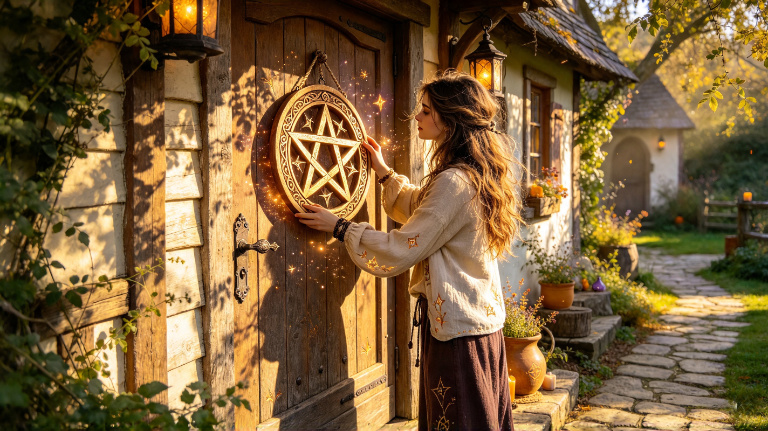
Protection magic is one of the most useful areas of witchcraft for beginners. It focuses on protecting your personal energy, creating a peaceful home, and establishing boundaries around the things that matter to you. You might use it when moving into a new home, preparing for a stressful situation, or simply wanting to feel more secure in your surroundings.
One beginner-friendly method is visualisation. Sit somewhere quiet, close your eyes, and imagine a bright protective light surrounding your body. Picture it forming a strong, clear boundary that allows you to feel calm and secure. You can repeat this practice before leaving home, entering a busy environment, or spending time around people who leave you feeling drained.
You can also create a protective charm using a small pouch, a piece of black obsidian, or a protective symbol that has personal meaning to you. Some witches add dried rosemary or bay leaves to their charms. Keep any herbs safely contained, especially if you have pets or young children, and avoid placing loose herbs where they could be accidentally eaten.
For home protection, you might place a protective symbol near your entrance, sprinkle a little salt outside your doorway where appropriate, or imagine a protective boundary surrounding your home. Combine these practices with ordinary precautions, such as locking doors, maintaining smoke alarms, and setting healthy boundaries with other people.
Protection magic should help you feel empowered, not frightened. You don’t need to perform a complicated ritual every time you have an uncomfortable feeling. Choose a simple practice that brings you confidence and use it consistently.
Cleansing Methods: Smoke, Sound, Salt, and Light
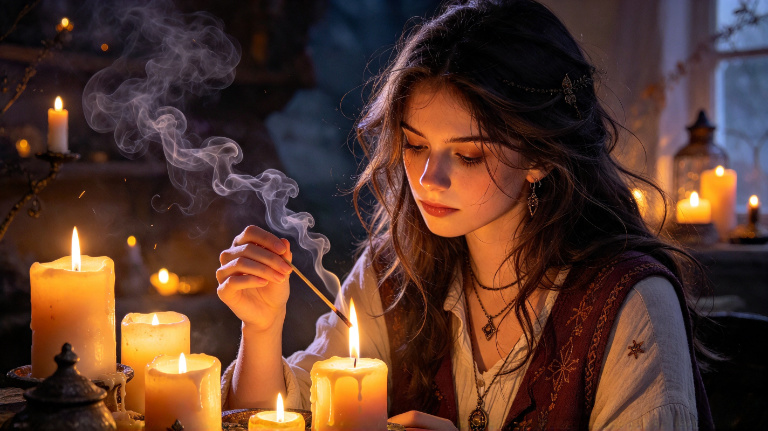
Cleansing is a common witchcraft practice used to clear away unwanted energy and prepare a person, object, or space for magical work. Many witches cleanse before casting spells, setting up an altar, using divination tools, or moving into a new home. There are several ways to do it, so you can choose a method that suits your beliefs, budget, and living situation.
Smoke cleansing: Some witches use incense or suitable dried herbs to cleanse a room, an object, or their own space. Move the smoke gently around the area while imagining unwanted energy leaving. Never leave burning materials unattended, and avoid smoke if you have respiratory sensitivities, pets that may be affected, or restrictions on burning anything indoors. You can also choose a smoke-free alternative.
Sound cleansing: Bells, singing bowls, chimes, or even clapping can be used to mark a fresh start in a room. Move around the space while making a gentle sound and setting the intention to clear away stagnant energy. This is a practical option for people who don’t want to burn anything.
Salt cleansing: Salt is traditionally associated with purification and protection. You could place a small bowl of salt on your altar during a ritual or use a little in a suitable container near an entrance. Avoid scattering salt where it could harm plants, wildlife, pets, or flooring. Salt water can also damage certain objects, so don’t use it to cleanse crystals or tools unless you know they’re suitable for it.
Light cleansing: Open your curtains, let natural daylight into your room, or use an LED candle as a symbol of renewal. You might also visualise a soft white or golden light filling the space and carrying away anything you no longer wish to hold on to.
You don’t need to use every method. Choose one that feels right, focus on your intention, and finish by taking a moment to enjoy the refreshed space.
Intuition Training and Divination Foundations

Divination is the practice of seeking insight, guidance, or answers through magical tools and intuitive practices. It’s a popular part of witchcraft, and you don’t need to be an experienced witch to get started. The trick is to choose one method, practise regularly, and give yourself time to understand the messages and symbols you encounter.
Tarot cards: Tarot is a wonderful place to begin. A deck contains 78 cards, each with its own imagery and meanings. Start by drawing one card each morning and asking what you should pay attention to that day. Look at the pictures, notice your first impressions, and then read the card’s traditional meaning. Over time, you’ll become more comfortable interpreting the cards for yourself.
Pendulums: A pendulum is a weighted object, often a crystal on a chain, that witches use for simple divination. Many practitioners begin by establishing what movements they associate with yes, no, and unclear answers. Hold the pendulum steadily, ask simple questions, and record the results. Treat it as a reflective spiritual tool rather than a guaranteed way to predict the future.
Scrying: Scrying involves gazing into a reflective surface, such as a dark mirror or a bowl of water, while remaining open to images, impressions, or intuitive feelings. Begin with a few quiet minutes in a comfortable space. Don’t force yourself to see anything, and stop if you feel uncomfortable.
Journaling: Your journal can help you recognise your intuitive patterns. Record dreams, tarot readings, strong impressions, and any details that stand out. You can revisit your notes later to see what proved meaningful and where your interpretations may have changed.
The more you practise, the more familiar you’ll become with your own intuitive process. There’s no need to rush or compare your experiences with other witches. Your journey is your own.
Beginner Witch Tools
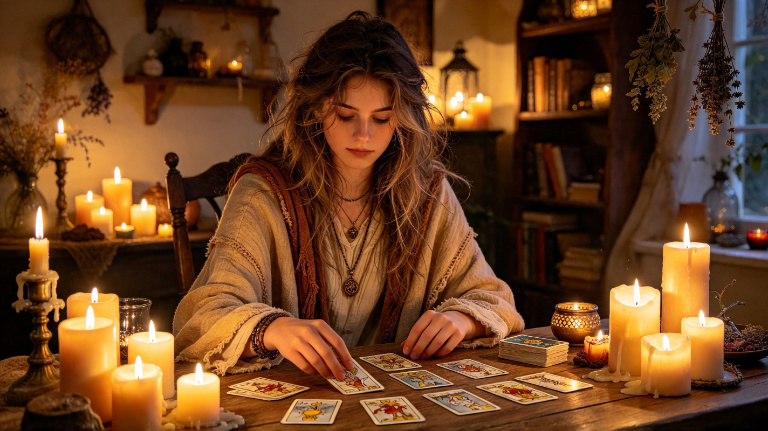
It’s easy to feel as though you need a cupboard full of magical supplies before you can start practising witchcraft. Social media is full of beautiful altars, elaborate crystal collections, and shelves of colourful spell ingredients. While these things can be lovely, they’re not essential. You can begin with a few simple items and build your collection over time.
Here are some beginner-friendly witch tools worth considering:
Candles: Useful for candle magic, setting intentions, and creating a ritual atmosphere. Battery-operated candles are a good alternative if you can’t safely burn real ones.
A journal and pen: Record spells, dreams, tarot readings, magical ideas, and personal reflections.
A tarot deck: Helpful if you’re interested in divination and learning symbolic meanings.
A small bowl: Use it to hold water, salt, or other suitable ritual ingredients.
A crystal or two: Choose stones that appeal to you or that have traditional associations you want to explore.
Herbs from your kitchen: Rosemary, bay leaves, cinnamon, and other everyday ingredients can be incorporated into many forms of kitchen witchcraft.
A cloth or tray: An easy way to create a temporary altar without needing a dedicated table.
You don’t need a ceremonial robe, an expensive athame, a collection of rare herbs, or a crystal for every magical purpose. Tools are there to support your practice, not to determine whether you’re a real witch.
Start with what you already own. If you later discover that you love tarot, invest in a deck you enjoy using. If you’re drawn to herbal magic, learn about a few plants at a time. Let your interests guide your purchases rather than feeling pressured to buy everything at once.
Herbs and Kitchen Witchcraft for Absolute Beginners

Kitchen witchcraft is all about bringing magic into everyday activities, especially cooking, preparing drinks, and working with the ingredients you already have at home. It’s a lovely option for beginners because you can start with an ordinary kitchen cupboard rather than buying expensive or unusual supplies.
Different herbs and spices have traditional magical associations. Rosemary is commonly connected with protection, cleansing, and remembrance. Bay leaves are often used for wishes, success, and intention-setting. Cinnamon is associated with prosperity, warmth, and attraction, while basil is traditionally linked with abundance and harmony.
You can put these associations into practice in simple ways. Add a little cinnamon to a suitable recipe while focusing on a goal of prosperity. Hold a bay leaf and write a wish on it before placing it somewhere safe as a reminder of your intention. You could also prepare a meal with rosemary while concentrating on bringing peace and protection into your home.
Another easy practice is to create a magical tea ritual. Choose a tea you enjoy, prepare it safely, and take a few quiet moments while it steeps. Think about what you want to invite into your life, whether that’s confidence, calm, creativity, or a fresh start. Enjoy the drink as an ordinary part of your day with a little extra intention behind it.
Always remember that magical use and edible use aren’t the same thing. Only consume ingredients that are confirmed safe for food, and never assume a plant is edible because it looks familiar. Some herbs can interact with medications, and essential oils should not be swallowed unless specifically directed by a qualified professional.
Kitchen witchcraft is a reminder that magic doesn’t have to be complicated. Sometimes it begins with a familiar ingredient, a clear intention, and a little time spent doing something you enjoy.
Crystals for Beginners — The Ones That Actually Matter
Crystals are popular in witchcraft because of their colours, beauty, and traditional magical associations. Some witches use them for protection, others for meditation, divination, confidence, or spiritual connection. If you’re just starting out, you don’t need a huge collection. A few familiar stones are more than enough to begin exploring crystal magic.
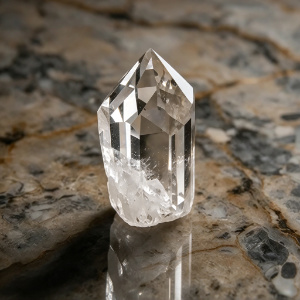
Clear Quartz — Clarity and Amplification
Clear quartz is often called a master crystal because it’s traditionally associated with clarity, focus, and amplifying intentions. Hold a piece while meditating, place it on your altar, or use it during spellwork when you want to concentrate on a particular goal.
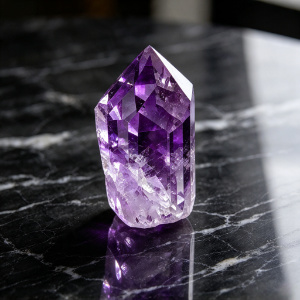
Amethyst — Intuition and Spiritual Connection
Amethyst is a favourite for meditation, dream journaling, and divination. Many witches associate it with intuition, spiritual awareness, and peaceful reflection. Keep it near your tarot cards or on your bedside table as a reminder to make time for your inner world.

Black Obsidian — Protection and Shadow Work
Black obsidian is traditionally connected with protection, grounding, and shadow work. You might hold it while reflecting on difficult emotions or place it near your altar during a protection ritual. Its dark appearance also makes it a popular choice for witches drawn to shadow magic.
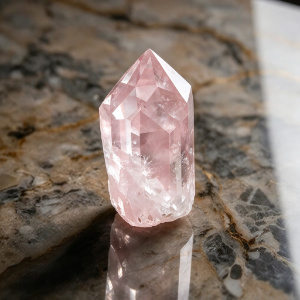
Rose Quartz — Love and Self-Worth
Rose quartz is associated with love, compassion, and emotional gentleness. Use it during self-love rituals, when setting intentions for healthier relationships, or as a reminder to treat yourself with kindness. Love magic can also focus on attracting mutual, respectful connections rather than trying to control another person.
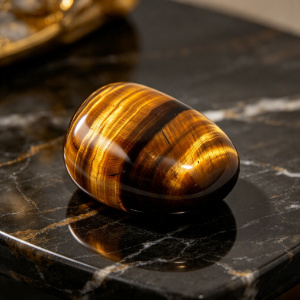
Tiger's Eye — Confidence and Courage
Tiger’s eye is traditionally associated with confidence, determination, and practical action. Carry it when you’re preparing for a challenge, beginning a new project, or working towards a personal goal.
You can choose crystals based on their traditional meanings or simply because you feel drawn to them. Both approaches can make your practice more personal.
One important beginner tip: don’t put every crystal in water or salt to cleanse it. Some stones can be damaged by moisture, salt, or direct sunlight. Gentle methods, such as visualising light around the crystal or using sound, are often safer.
How to Create a Witch's Space or Altar
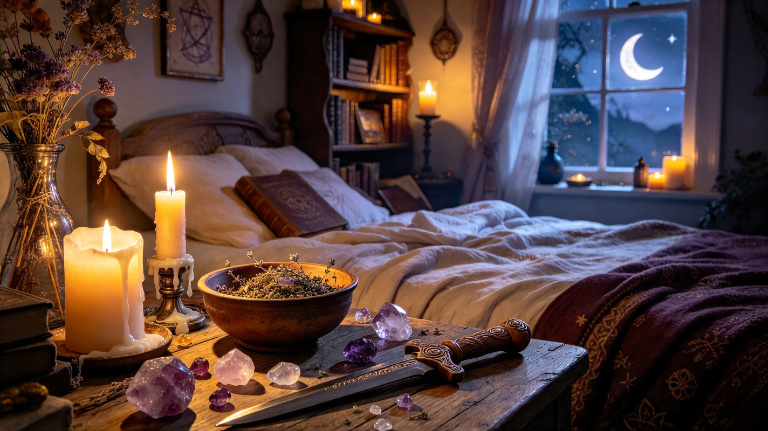
A witch’s altar is a dedicated space for magical practice, reflection, and ritual. It can be a whole table, a shelf, a small tray, or even a box that you open when you’re ready to practise. You don’t need a large room or a picture-perfect setup. What matters is creating a space that feels meaningful to you.
Start by choosing a place where you can sit comfortably and keep your tools organised. Add a few items that support your interests, such as a candle, journal, crystal, small bowl, or tarot deck. If you’re drawn to nature, you might include a fallen leaf, a beautiful stone, or a seasonal decoration you’ve collected responsibly.
Some witches organise their altars around the four elements: earth, air, fire, and water. For example, you could represent earth with a stone, air with incense or a feather, fire with a candle, and water with a small bowl of water. These are optional traditions, not rules you must follow.
You can also decorate your altar according to your goals. A love altar might feature rose quartz and pink decorations, while a protection altar could include black stones and protective symbols. If you work with moon magic, you might display lunar imagery or change the arrangement to reflect the current moon phase.
Keep your space clean, comfortable, and safe. Use LED candles if you can’t have an open flame, and don’t leave water or small objects where pets or children could get into them. If you share a home, a portable altar can give you privacy without taking up much room.
Your altar doesn’t need to impress anyone else. It’s a space for you to connect with your practice, so let it develop naturally as your interests grow.
Spellcasting Basics
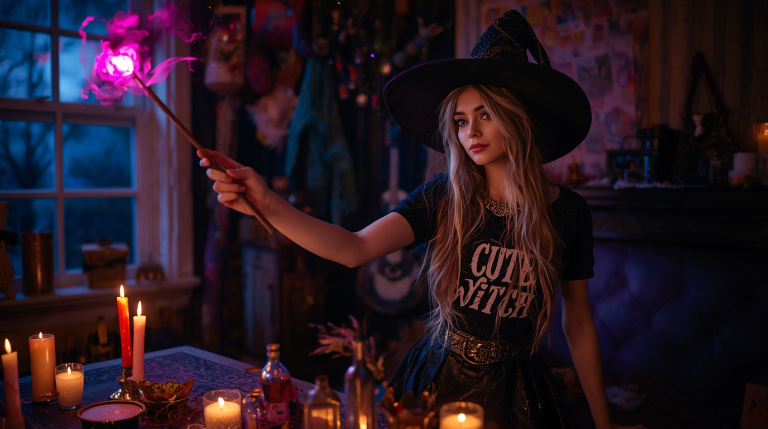
Spellcasting is one of the most exciting parts of witchcraft for beginners. A spell is a magical practice designed around a particular intention, such as attracting luck, strengthening confidence, protecting your home, or encouraging new opportunities. Spells can involve candles, herbs, crystals, written words, visualisation, or simple spoken intentions.
The first thing to understand is that your intention gives your spell its direction. Before you begin, think about what you want to achieve. Try to be specific rather than asking for something vague. Instead of saying, “I want my life to improve,” you might focus on attracting new opportunities, feeling more confident, or finding the courage to make an important decision.
A simple beginner spell can follow five basic steps:
-
Choose your intention. Decide what you want your spell to focus on, whether it’s protection, love, luck, healing, or personal growth.
-
Prepare your space. Find somewhere comfortable and quiet. You can cleanse the area, gather your tools, and take a few moments to focus.
-
Gather your ingredients. Choose items that suit your intention, such as a candle, crystal, herb, or piece of paper. You don’t need to use them all.
-
Perform your spell. Speak an incantation, visualise your desired outcome, or carry out the ritual you’ve chosen. Put your attention into what you’re doing.
-
Close the ritual. Thank any spiritual forces you work with, if that is part of your practice, extinguish candles safely, and record the spell in your journal.
You don’t need to memorise complicated words or follow elaborate instructions to begin. A simple spell that feels meaningful to you is a perfectly good starting point.
It’s also worth remembering that spellcasting works best alongside practical action. A confidence spell can accompany practising for a job interview, while a prosperity spell can support your efforts to manage money or pursue new opportunities. Magic can be part of how you approach your goals, rather than a reason to sit back and wait for everything to happen.
As you gain experience, you’ll discover which ingredients, rituals, and magical approaches you enjoy most. Start small, practise safely, and give yourself room to grow.
Five Easy Beginner Spells
These five beginner witchcraft spells are simple ways to start working with different intentions. You can adapt the words and ingredients to suit your own practice, and there’s no need to buy special supplies before you begin.
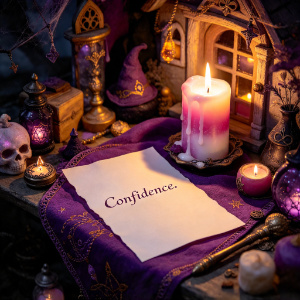
Spell 1: A Confidence Spell
You’ll need: A pink or white candle, a small piece of paper, and a pen.
Write down one thing you want to feel more confident about. Place the paper near your candle and take a few slow breaths while imagining yourself approaching that situation with courage.
Say:
“My strength awakens, my doubts grow small. I trust myself and stand proud and tall.”
Keep the paper somewhere safe as a reminder of your intention. When an opportunity comes along, take a practical step towards it.
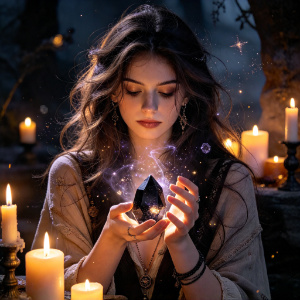
Spell 2: A Personal Protection Spell
You’ll need: A small protective stone, such as black obsidian, or another object that feels meaningful to you.
Hold the object between your hands and picture a strong, clear light surrounding you. Imagine yourself moving through the day feeling grounded, calm, and secure.
Say:
“Around me stands a shield of light. I walk with courage, safe and bright.”
Carry your chosen object as a personal reminder of your protective intention. You can repeat the spell whenever you want to renew that feeling.

Spell 3: A Luck and Opportunity Spell
You’ll need: A bay leaf, a pen, and a small coin.
Write the word “Luck” on the bay leaf, then hold it while thinking about the opportunities you’d like to welcome into your life. Place the leaf and coin together in a small dish on your altar.
Say:
“Open doors and chances new, let luck and opportunity find their way through.”
Leave the items together as a reminder to stay open to possibilities. When a promising opportunity appears, be ready to take action.

Spell 4: A Self-Love and Love Attraction Spell
You’ll need: A piece of rose quartz, a pink piece of paper, and a pen.
Write down three qualities you love about yourself or three qualities you hope to find in a healthy relationship. Hold the rose quartz and picture yourself giving and receiving love freely, without losing your sense of self.
Say:
“Love begins within my heart, let honest love and kindness start.”
Keep the paper in your journal or on your altar. This spell focuses on self-worth and welcoming mutual affection, rather than controlling another person’s feelings.

Spell 5: A Healing and Renewal Spell
You’ll need: A bowl of clean water and a white candle, or an LED alternative.
Sit quietly and think about an area of your life where you’d like to feel renewed. It might be emotional exhaustion, a difficult experience, or simply the need for a fresh start.
Say:
“Let peace return and strength arise, bring gentle hope beneath my skies.”
Spend a few minutes imagining yourself moving forward with greater calm and hope. Pour the water away afterwards, and take one small practical step towards caring for yourself.
This is a spell for comfort and renewal, not a substitute for medical treatment when you need it.
You can record each spell in your witch’s journal, noting the date, your intention, the ingredients you used, and how you felt afterwards. Over time, this will help you develop a collection of personal spells that feel right for your craft.
Moon Magic for Beginners
Moon magic is a popular form of witchcraft that uses the changing lunar phases as a guide for setting intentions, releasing old habits, and working towards personal goals. You don’t need to follow a complicated lunar calendar to get started. Simply becoming familiar with the main moon phases gives you plenty to work with.
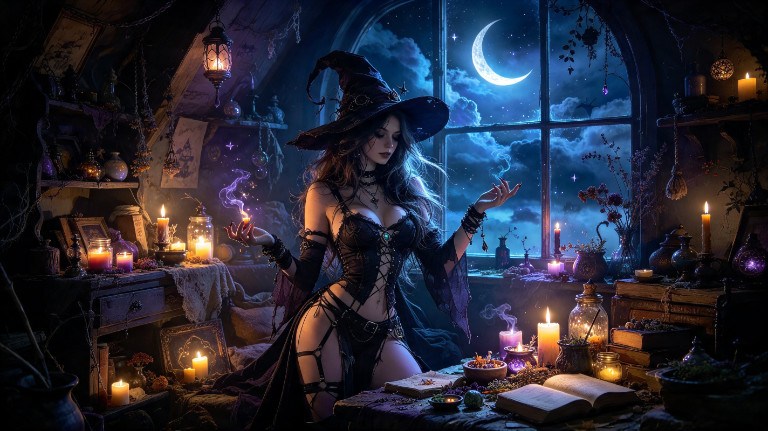
New Moon — Fresh Starts
The new moon is traditionally associated with beginnings, possibilities, and setting intentions. Write down something you want to invite into your life, such as a new skill, a healthier routine, or a personal goal. Keep your intention somewhere you can revisit it.
Waxing Moon — Growth and Attraction
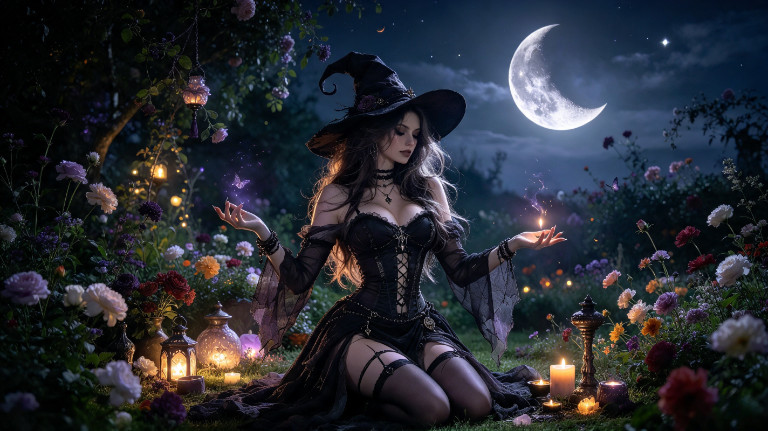
As the moon grows brighter, many witches focus on building momentum. This is a good time for confidence spells, learning something new, or taking practical steps towards a goal. Think about what you can do to help your intention grow.
Full Moon — Power and Celebration
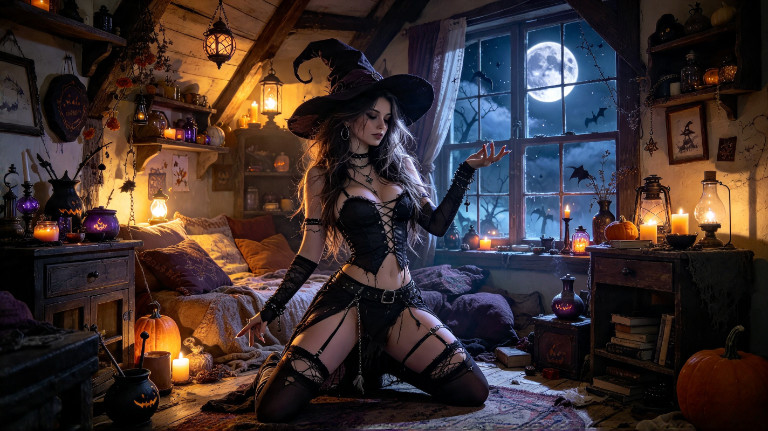
The full moon is often used for gratitude, reflection, divination, and rituals focused on abundance or personal power. You could perform a tarot reading, write down your achievements, or spend a little time outdoors appreciating the night sky.

Waning Moon — Release and Cleansing
As the moon’s visible light decreases, many witches focus on letting go. This might involve a cleansing ritual, decluttering your space, or writing down an unhelpful habit you want to change. Use this phase as a reminder that releasing something can make room for something better.
A simple way to practise moon magic is to choose one intention for each lunar cycle. Set your intention around the new moon, take action as the moon grows, reflect around the full moon, and release what no longer serves you during the waning phase.
You can follow the moon with a calendar or a moon-phase app, but don’t worry if you miss a particular date. You can still practise moon magic whenever it suits you. The important thing is finding a rhythm that feels meaningful rather than turning your craft into another source of pressure.
Types of Witches — Finding Your Path
One of the fun parts of becoming a witch is discovering the many different ways people practise witchcraft. You might feel drawn to one particular path, or you may find yourself interested in several. These labels can help you explore your interests, but you don’t have to choose just one.
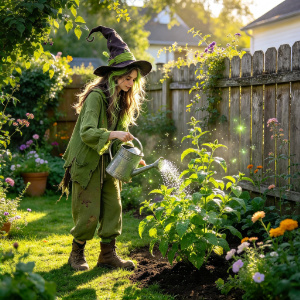
Green Witch
Green witches focus on nature, plants, herbs, gardens, and the changing seasons. If you love being outdoors, growing plants, or learning about the magical associations of herbs, this path may appeal to you.
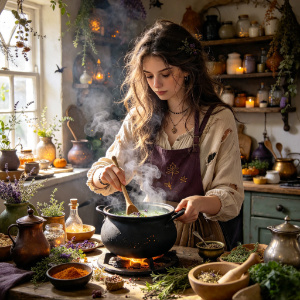
Kitchen Witch
Kitchen witches bring magic into cooking, baking, preparing tea, and caring for the home. They often work with everyday ingredients and turn ordinary activities into meaningful rituals.
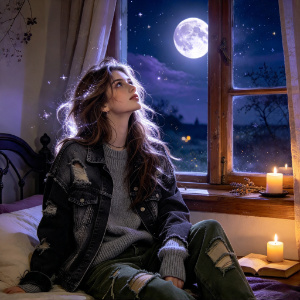
Lunar or Cosmic Witch
Lunar witches work with moon phases and lunar symbolism, while cosmic witches are drawn to astrology, planets, stars, and celestial cycles. Both paths appeal to people who enjoy connecting their practice with the wider universe.

Shadow Witch
Shadow-focused practitioners explore hidden emotions, personal fears, difficult experiences, and parts of themselves they want to understand better. Shadow work can accompany spellcasting, journaling, meditation, and personal reflection.

Hearth Witch
Hearth witches focus on the home as a place of comfort, protection, and magical energy. Their practices might include home blessings, family traditions, seasonal decorations, and rituals for creating a peaceful living space.
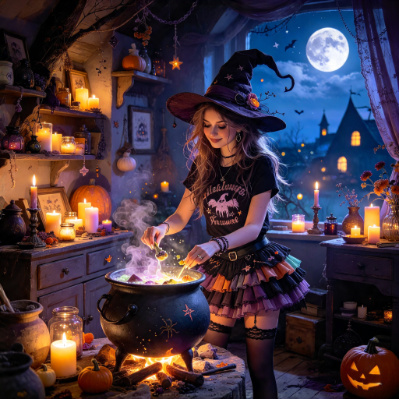
Eclectic Witch
Eclectic witches draw inspiration from different magical practices and traditions to create a personal path. They might enjoy tarot, crystals, herbal magic, and moon rituals without focusing on a single type of witchcraft.

Solitary Witch
A solitary witch practises independently rather than as part of a coven. This can suit people who prefer privacy, enjoy learning at their own pace, or want to develop a personal practice without group commitments.
Other paths include sea witchcraft, ceremonial magic, traditional witchcraft, and many more. Some labels describe what a witch enjoys doing, while others describe how they practise.
Don’t feel you have to settle on a label straight away. Try different beginner practices and notice what captures your interest. Your path can change as you gain experience, and it’s perfectly fine to combine interests where appropriate. When exploring traditions that belong to particular cultures or communities, take the time to understand their history and practise respectfully.
10 Ways to Practise Witchcraft in Everyday Life

You don’t have to wait for a full moon or a special occasion to practise witchcraft. There are plenty of ways to bring magic into ordinary activities, even when you’re busy with work, study, friends, and everything else life throws at you.
Here are ten simple ways to make witchcraft part of your daily routine.
Set a morning intention. Before starting your day, decide what you want to focus on. It could be patience, confidence, creativity, or attracting new opportunities. Repeat a short affirmation to help you stay connected to that goal.
Make your morning drink a ritual. While preparing your tea or coffee, take a moment to focus on what you want from the day. Kitchen witchcraft can turn familiar routines into small moments of intention and reflection.
Carry a magical charm. Choose a crystal, piece of jewellery, or small object that reminds you of a particular intention. You might use it as a symbol of protection, confidence, or good fortune.
Notice the natural world. Pay attention to the moon, changing weather, plants, and animals around you. You could keep notes about the seasons or collect fallen leaves for appropriate craft projects.
Cleanse your space. Open a window when conditions allow, tidy your room, or use a bell to mark a fresh start. Combine physical cleaning with an intention to create a calmer environment.
Practise a little divination. Draw one tarot card, spend a few minutes with a pendulum, or reflect on a dream. Keep your practice simple and record anything you want to revisit later.
Cook with magical intention. Choose a meal that reminds you of comfort, abundance, or connection. As you prepare it, focus on the kind of energy you want to bring into your home.
Use affirmations and spoken intentions. Say something encouraging before a challenge or repeat a phrase that reminds you of your personal strength. Your words can become a meaningful part of your spellwork.
Create a bedtime ritual. Put your phone aside, write down a few thoughts, or spend a moment reflecting on the day. You could also record your dreams when you wake up.
Keep a gratitude and magic journal. Record little moments that feel meaningful, spells you’ve tried, lessons you’ve learned, and goals you’re working towards. Your journal can become a personal record of how your craft develops.
The beauty of everyday witchcraft is that you can make it your own. You might practise several of these ideas or choose just one that fits comfortably into your routine. Small, regular practices can help you feel more connected to your craft without making it feel like another list of chores.
The Witch's Journal — Tracking Your Craft

A witch’s journal is one of the most useful tools you can have as a beginner. Often called a book of shadows, a magical journal can hold your spells, rituals, tarot readings, dreams, herbal notes, crystal meanings, and personal experiences. It becomes a record of what you’ve tried and what you’ve learned along the way.
You don’t need an expensive leather-bound book or beautiful handwriting to get started. A cheap notebook, a folder on your computer, or a private digital document works just as well. Decorate it if you enjoy being creative, but don’t let the desire for a perfect journal stop you from writing your first entry.
Here are some useful things to include:
Spells and rituals: Write down the ingredients, instructions, intention, and date of each spell you try.
Tarot and divination: Record the cards you draw, the questions you ask, and your interpretations.
Herbal and crystal notes: Keep track of traditional magical associations, safe handling information, and the ways you use different ingredients.
Moon phases: Note the lunar phase and any intentions or rituals you associate with it.
Dreams and intuition: Write down memorable dreams, intuitive impressions, and recurring symbols.
Personal reflections: Record what you enjoyed, what felt meaningful, and what you might do differently next time.
It’s also helpful to revisit old entries. If you performed a luck spell before starting a new project, for example, write down what happened afterwards. You can reflect on whether the experience was meaningful, whether you took any useful action, and what you want to carry forward into future spellwork.
Don’t worry about recording every detail or writing something every day. Your journal should support your craft, not become another obligation. Some entries might be a few sentences, while others might include a complete ritual or several pages of reflection.
Over time, your journal will become more than a collection of magical information. It will show you how your interests have changed, which practices you’ve enjoyed, and the kind of witch you’re becoming.
Your Witchcraft Journey Starts Here
Starting witchcraft doesn’t mean you have to master everything at once. You can begin with a simple spell, a crystal that catches your eye, a few herbs from your kitchen, or a journal where you record your experiences. Every small step gives you another opportunity to discover what you enjoy and what feels meaningful to your practice.
Give yourself permission to experiment. You might fall in love with tarot and divination, discover that you enjoy working with the moon, or find that kitchen witchcraft is the perfect way to bring magic into your everyday life. You may even find your interests changing as you grow. There’s no need to rush into a particular path or compare your progress with anyone else’s.
Most importantly, remember that being a witch isn’t about owning the right tools or knowing all the right words. It’s about developing your practice, understanding your intentions, and finding ways to make magic a meaningful part of your life. Start with what you have, stay curious, and enjoy discovering where your craft takes you.