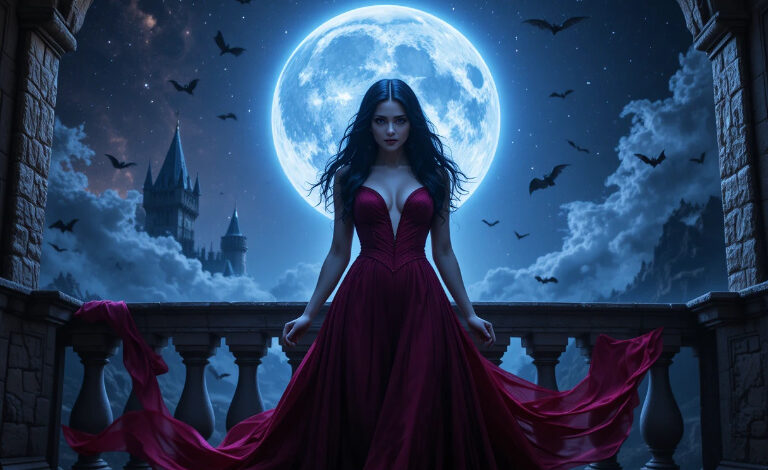
Vampires are real. Not in the way your skeptical friend might roll their eyes about — but real in the sense that every culture on earth, from ancient Mesopotamia to rural Eastern Europe to the jungles of Southeast Asia, came up with them independently. That’s not a coincidence. That’s something. People everywhere looked into the dark and saw the same kind of creature staring back — something that feeds on the living, something that blurs the line between death and hunger, something that just won’t stay gone. That kind of story doesn’t come from nowhere.
Most people think of vampires through the Hollywood lens — pale skin, black capes, a dramatic aversion to sunlight and garlic. But that version is just one small slice of a much older, much stranger picture. Vampire folklore stretches back thousands of years, and the creatures that fill those old stories are nothing like the charming, well-dressed immortals on your screen. Some of them are rotting corpses. Some of them are beautiful women. Some of them don’t even have bodies at all. Vampire mythology around the world is wild, varied, and honestly a lot more interesting than the movies gave it credit for.
Here’s something that makes it even more fascinating — not all vampires feed on blood. Some drink energy. Some consume emotions. Some feed on dreams while you sleep and you never even know they were there. The idea of a vampire, at its core, is something that takes — something that sustains itself by draining something vital from something else. Once you understand it that way, the category opens up in ways that are genuinely surprising. Types of vampires range from ancient undead walking corpses to invisible psychic presences that might be closer to you than you’d like to think.
What you’re about to read is a full breakdown of every major type of vampire — from the classic blood-drinkers of Eastern European folklore to the energy vampires of the modern world, with every cursed, shape-shifting, dream-haunting creature in between. These aren’t just stories. Every single one of these vampires was believed in, feared, and taken seriously by real people in real places. The traditions that created them are still alive. So pull up a chair, make sure your windows are latched, and let’s get into it.
The Classic Blood-Drinking Vampire — The One That Started It All
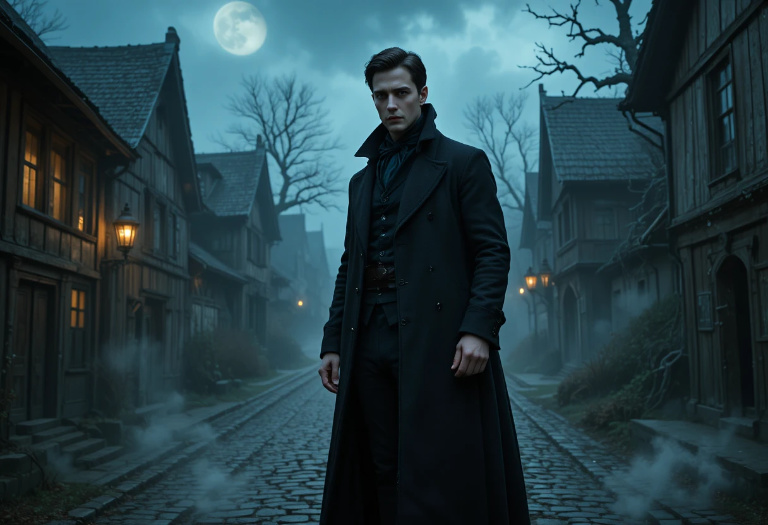
When most people picture a vampire, they’re picturing something that came out of Eastern European vampire folklore — specifically from places like Romania, Bulgaria, Serbia, and the surrounding region. These are the vampires that Bram Stoker borrowed from when he created Dracula, and they are genuinely unsettling in ways the novel didn’t fully capture.
In the original folklore, a vampire wasn’t necessarily a nobleman in a castle. It was often a recently dead neighbor. Someone from the village. A person who had been buried improperly, or who had lived a sinful life, or who had been the victim of a curse. After death, they would crawl out of their grave at night and return to drain the blood of their own family members first — their spouse, their children, their siblings. Vampire mythology in this region treated it as a kind of plague that moved through families like a disease.
The signs that someone had become a vampire varied by region but often included a body that hadn’t decomposed properly, a face that still had color, or evidence of movement in the grave. To stop them, villagers would stake the body, cut off the head, fill the mouth with garlic, or burn the corpse entirely. These rituals were taken seriously. There are documented cases of communities digging up bodies to perform these rites well into the 18th century.
The Strigoi — Romania’s Most Feared Undead
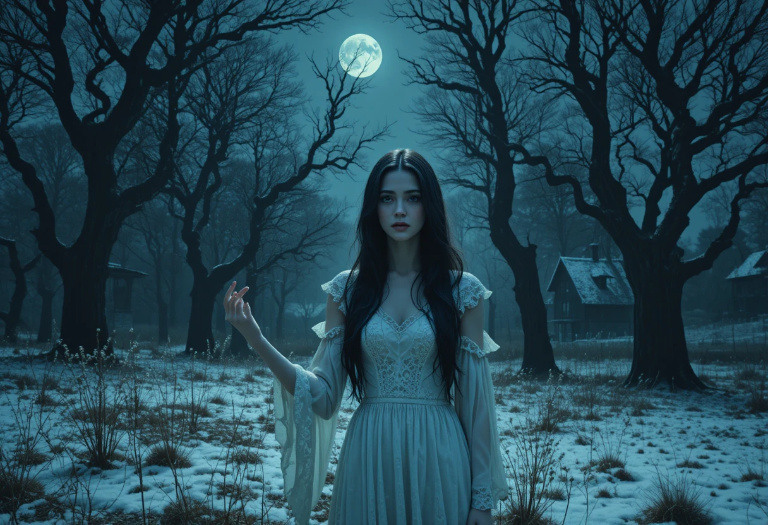
The Strigoi is Romania’s specific version of the vampire, and it’s one of the most detailed and well-documented creatures in all of vampire folklore. There are actually two kinds — the strigoi mort, which is a risen corpse, and the strigoi viu, which is a living person with vampiric abilities. The living version could send its soul out of its body at night to cause harm, which makes it one of the rare types of vampires that doesn’t even need to be dead to qualify.
A person could become a strigoi for a number of reasons — being born out of wedlock, being the seventh child of a seventh child, dying without being baptized, or being bitten by another strigoi. They were said to return first to their families, bringing illness and misfortune, before eventually moving on to prey on the wider community. The Strigoi is so deeply rooted in Romanian culture that the word itself influenced how vampire mythology spread across Europe.
The Revenant — The Undead of Western Europe
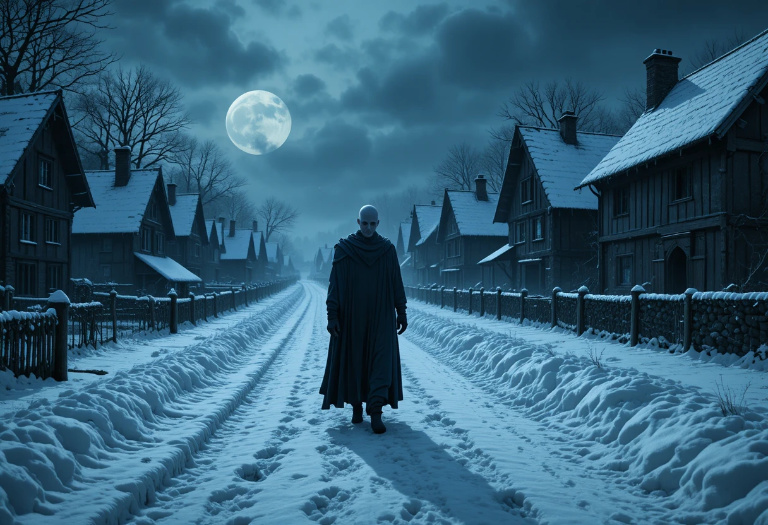
While Eastern Europe had its strigoi and vrykolakas, Western Europe had the Revenant — a broad category of vampire folklore covering animated corpses that returned from the dead to terrorize the living. Medieval chronicles from England, France, and Germany are full of accounts of revenants disrupting communities, spreading disease, and attacking people in their sleep.
One of the most famous cases comes from 12th-century England, recorded by the chronicler William of Newburgh. He documented multiple cases of dead men returning to walk the countryside, and the solution was always the same — dig up the body, burn it, and scatter the ashes. Vampire mythology in Western Europe may have looked different from the Eastern version, but the fear driving it was identical. Death wasn’t always final, and the dead sometimes wanted something from the living.
The Vrykolakas — Greece’s Restless Dead
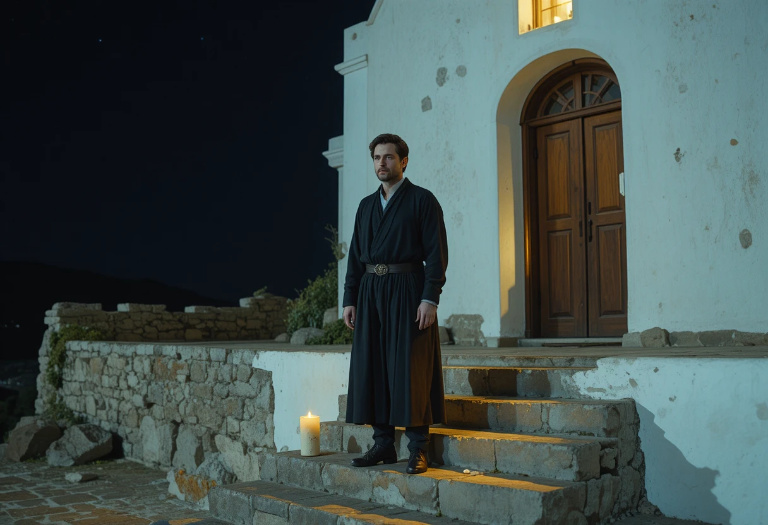
Greece has its own powerful tradition of vampire folklore in the form of the Vrykolakas — a corpse reanimated, according to belief, by an evil spirit or by improper burial rites. In Greek tradition, being excommunicated from the church was considered a major risk factor for becoming one, since it was believed that the earth itself would reject the body of someone denied burial rites.
The Vrykolakas would roam the countryside at night, knocking on doors and calling out names. If someone answered the door on the first knock, they would fall sick and die — and eventually become a Vrykolakas themselves. Smart villagers knew to wait for the second knock, since it was believed the creature couldn’t knock twice. Vampire mythology in Greece was deeply tied to religious practice, and the Orthodox Church actually played an active role in rituals meant to prevent or address suspected cases.
The Upir — The Slavic Shape-Shifter
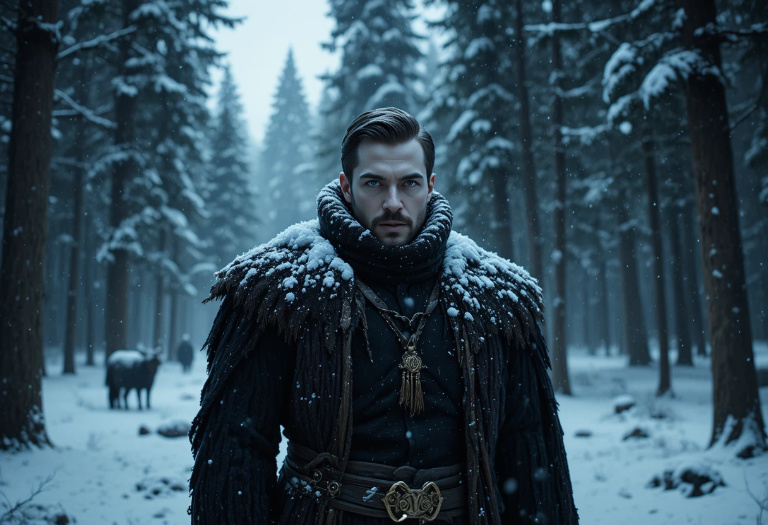
The Upir (or Upyr) is one of the oldest entries in vampire folklore, appearing in Slavic traditions across Russia, Ukraine, and Poland. The word itself is thought to be one of the root sources for the word “vampire” as it spread through Europe. The Upir was a particularly nasty version — known for eating not just blood but flesh, and capable of shifting forms to move undetected through communities.
What made the Upir especially feared was its cunning. It didn’t just mindlessly attack — it was believed to be strategic, targeting specific victims and returning night after night. Types of vampires in Slavic tradition often had this quality of intelligence and patience that made them more frightening than a simple monster. They weren’t beasts. They were predators.
The Jiangshi — China’s Hopping Vampire
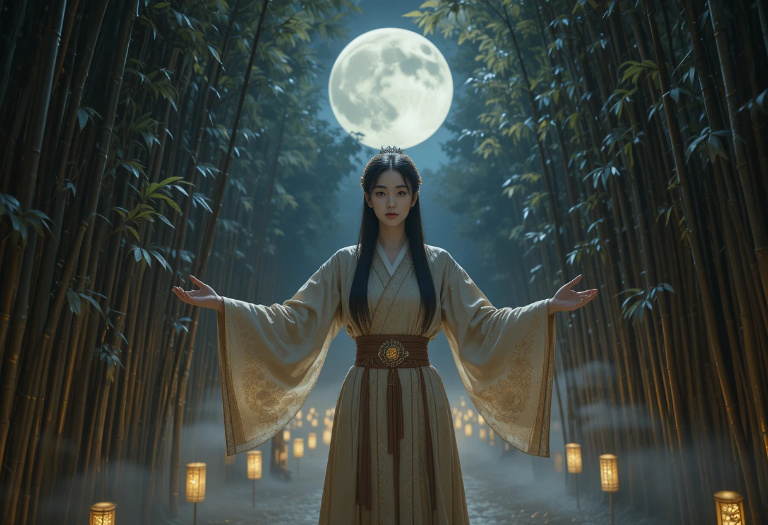
Vampire mythology isn’t just a European thing — not even close. China has one of the most distinctive vampire creatures in world folklore: the Jiangshi, often called the “hopping vampire” or “hopping corpse.” The name comes from the fact that the creature moves by hopping with its arms outstretched, because rigor mortis has locked its joints stiff.
The Jiangshi is a reanimated corpse that absorbs the life force — called qi — from living people, rather than necessarily drinking blood. It was said to be created when a person’s soul failed to leave the body after death, often because of an improper burial, suicide, or a traumatic death. The creature is sensitive to breath — it hunts by detecting the breath of the living — so one folk remedy was to hold your breath if you encountered one. Mirrors, sticky rice, and yellow paper talismans were also said to stop it. Vampire folklore in China gave rise to an entire genre of supernatural fiction and film that’s still thriving today.
The Penanggalan — Southeast Asia’s Flying Head
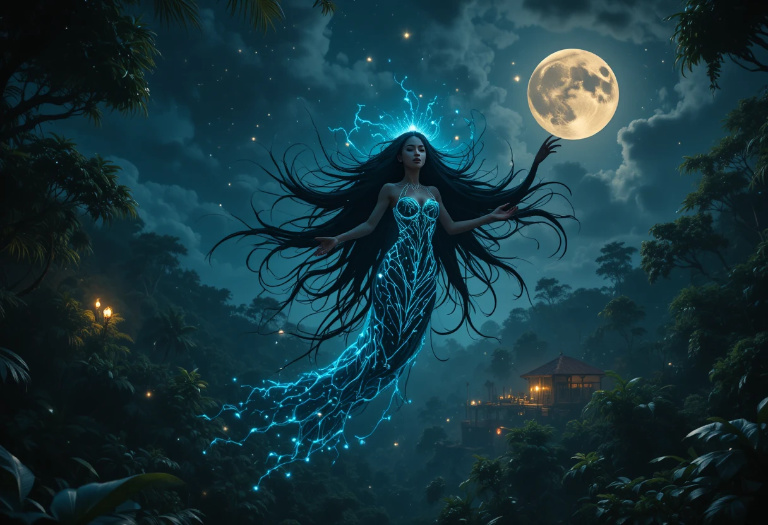
If you want something truly unsettling, Southeast Asian vampire folklore delivers. The Penanggalan comes from Malaysian tradition and is genuinely one of the strangest entries in the types of vampires you’ll find anywhere in the world. It appears as a woman by day, but at night her head detaches from her body and flies through the air — trailing her stomach and intestines beneath it — hunting for the blood of pregnant women and newborns.
The Penanggalan was said to be the result of a woman who had made a pact or broken a sacred oath. Her innards would drag through thornbushes and vegetation as she flew, so she would have to soak them in vinegar to shrink them back down to fit inside her body before dawn. To protect against her, people would hang thorny branches around the windows of homes where a birth was expected, hoping to snag and trap her trailing organs. Vampire mythology in this region is intensely maternal and tied to ideas of protection, birth, and the vulnerability of new life.
The Aswang — The Philippines’ Shape-Shifting Terror
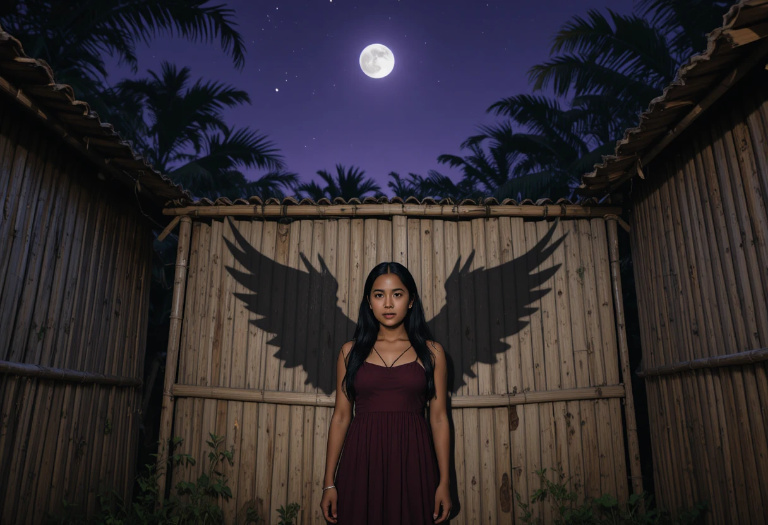
The Aswang is one of the most feared creatures in Filipino culture and sits firmly in the category of vampire folklore — though it does a lot more than just drink blood. The Aswang is a shape-shifter that can take the form of an ordinary person by day, often living among communities undetected. At night, it transforms — sometimes into a large black dog, sometimes into a giant bat — and hunts for victims.
What makes the Aswang especially feared is its preference for fetuses and young children. It was said to use a long, hollow tongue to feed through the walls of a home. Different regions of the Philippines have their own specific variations of the Aswang, making it less a single creature and more a whole category of vampire mythology unique to Filipino tradition. Belief in the Aswang is still very much alive in parts of the Philippines today.
The Strix — Ancient Rome’s Vampiric Bird-Demon
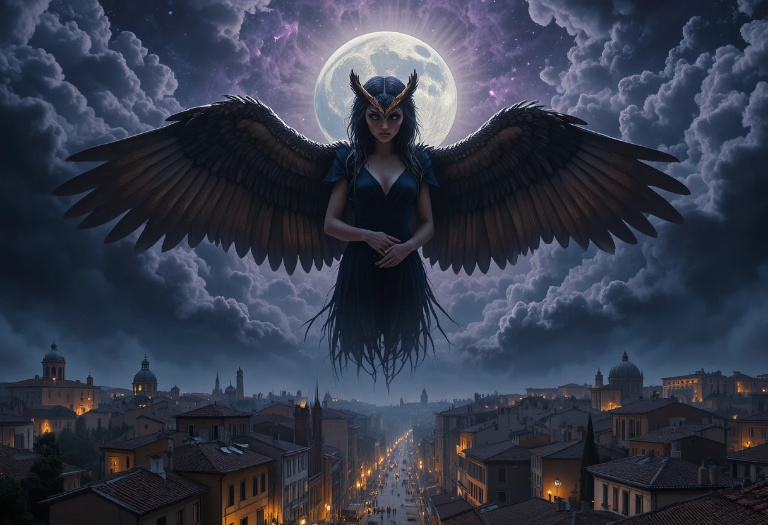
Long before Dracula, ancient Rome had its own blood-drinking supernatural threat — the Strix (plural: Striges). These were described as birds of ill omen — owl-like creatures — that would fly into homes at night and feed on the blood of infants. Over time, the Strix became associated with witches who could transform into these creatures, blending vampire folklore with ideas about dark magic and female power in ways that would echo through centuries of European demonology.
The Strix is one of the oldest documented types of vampires in Western history. Roman writers including Ovid wrote about them, and protective rituals against the Strix were practiced seriously. The creature’s name is the root of the word Strigoi in Romanian, which shows just how far back this thread of vampire mythology really runs.
Psychic Vampires — The Kind You Might Already Know
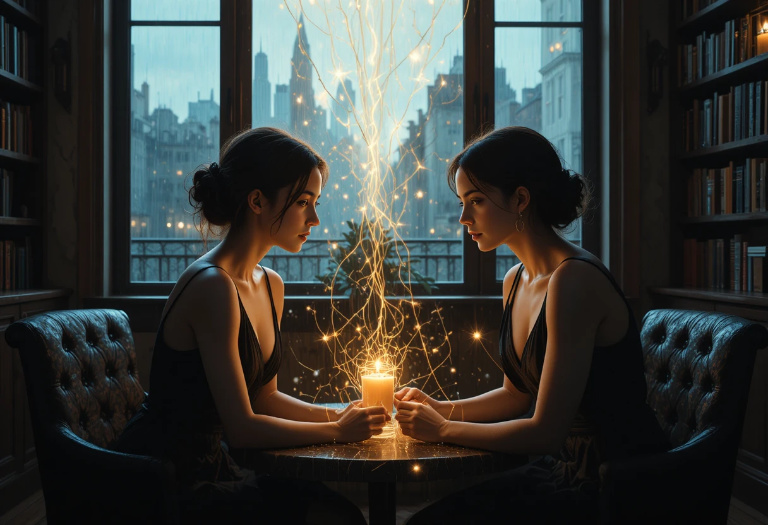
Not all types of vampires are physical creatures. The concept of the psychic vampire — also called an energy vampire — appears in both occult traditions and modern psychological thinking. These are beings, sometimes human, who drain the emotional and spiritual energy of those around them, leaving people feeling exhausted, hollow, and depleted after spending time with them.
In occult traditions, psychic vampires were thought to feed deliberately, consciously drawing energy from others through psychic or spiritual means. In more modern usage, the term is used to describe people who — whether intentionally or not — dominate conversations, create emotional chaos, demand constant attention, and leave everyone around them feeling drained. Vampire folklore has always understood that feeding doesn’t have to mean blood. It just means taking more than your share of something vital.
Emotional Vampires — Closer Than You Think
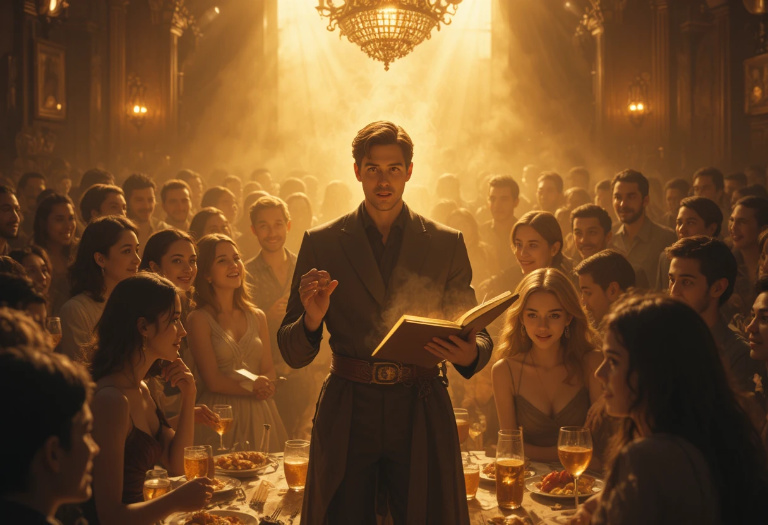
Related to psychic vampires are emotional vampires — a category that lives more squarely in the language of psychology and human behavior than in supernatural vampire mythology. These are people who feed on emotional reactions: drama, sympathy, attention, conflict. They create situations that keep others focused on them and perpetually off-balance.
Therapists and researchers have written extensively about recognizable patterns — the perpetual victim who never improves, the person who makes every conversation about their own crisis, the partner who drains your energy until you’re running on empty. Types of vampires in this category are arguably the most common ones most people will encounter in their lifetimes, and recognizing them is half the battle.
Living Vampires — Real People Who Identify as Vampires
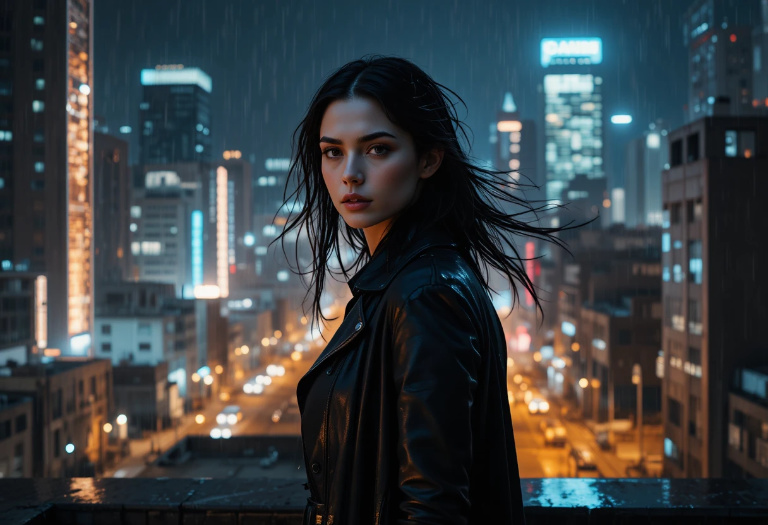
There is a genuine subculture of real people who identify as living vampires — people who believe they require an intake of blood or psychic energy to maintain their health and wellbeing. This community refers to themselves as “sanguinarians” (blood-feeders) or “psi-vamps” (energy feeders), and they operate with their own ethics, culture, and community structures.
This isn’t performance or fantasy for most of them — it’s a genuine identity and a felt need. Sanguinarian vampires typically practice blood drinking with consenting adults in a safety-conscious way. The living vampire community sits at the interesting crossroads between vampire mythology, subculture, identity, and belief — and it’s been documented by researchers in sociology and religious studies.
Dream Vampires — The Ones That Feed While You Sleep
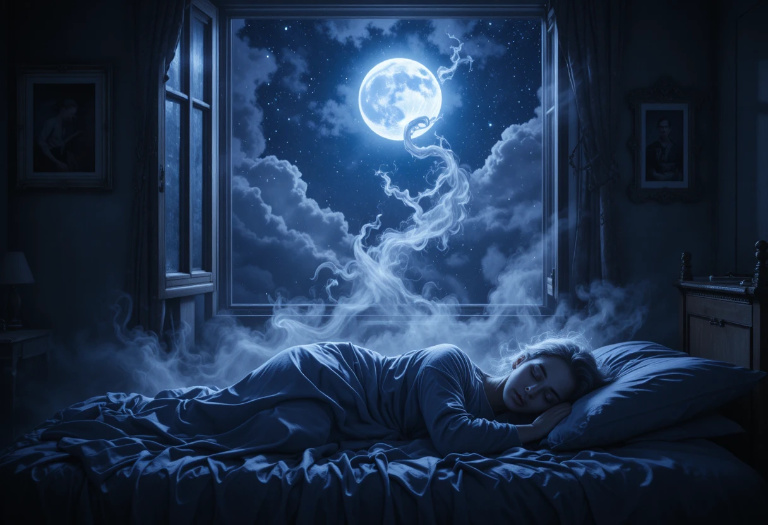
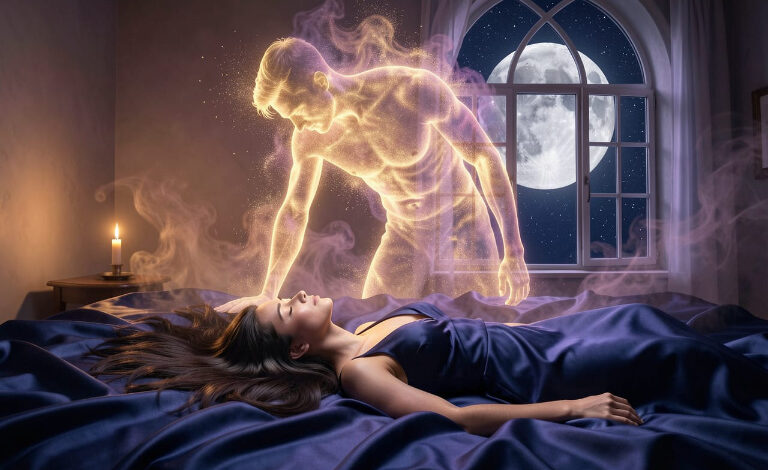
Several traditions around the world describe types of vampires that feed specifically on sleeping victims. The Incubus and Succubus of European folklore are partly vampiric in nature — supernatural beings that feed on sexual energy and life force during sleep. But there are more specifically dream-feeding creatures in other traditions too.
Some strands of vampire folklore describe entities that sit on the chest of sleeping people — causing the sensation of paralysis and suffocation that we now associate with sleep paralysis — and drain vitality over time. The victim wakes feeling exhausted without knowing why, growing weaker with each night. In vampire mythology, the dream is just another doorway. Another way in.
The Vampire Never Really Went Away
What all these types of vampires have in common — from the rotting Revenant of medieval England to the flying head of Malaysian legend to the energy-draining person in your office — is the same ancient, universal fear. That something is taking from us. That something feeds on what we have. That not all predators look like predators.
Vampire folklore survived because it names something real. The world has always had things in it that drain the living. The stories just helped people recognize them, name them, and fight back. Every tradition that created a vampire also created a way to stop one. That’s not a coincidence either. That’s wisdom dressed up in the dark.