


There’s a quiet kind of magic that wakes up around Christmas, and it doesn’t always come wrapped in lights and tinsel. Some of it walks right past you at the grocery store, smiles at you in line, and hums old carols under its breath. Christmas elves aren’t stuck at the North Pole—they move among us, especially when the season turns cold and generous.
These elves don’t look like storybook characters with pointy shoes and striped tights. They’re smarter than that. They slip easily into human life, blending in just enough to get their work done without drawing too much attention. If you don’t know what to look for, you’ll miss them every time.
Elves come here for reasons: to spark joy, soften hard hearts, protect small holiday miracles, and keep the balance of seasonal magic steady. When things feel unusually warm, hopeful, or lucky during Christmas, there’s often an elf nearby quietly nudging the energy along.
Once you know the signs, you start to notice them everywhere. Not in an obvious way—but in small, unmistakable moments that feel too magical to be random. Let’s talk about how to spot a Christmas elf in human form, and why they’re much closer than you think.
How to Spot a Christmas Elf in Human Form (They Blend In Surprisingly Well)
They Appear Right When Christmas Spirit Is Needed Most
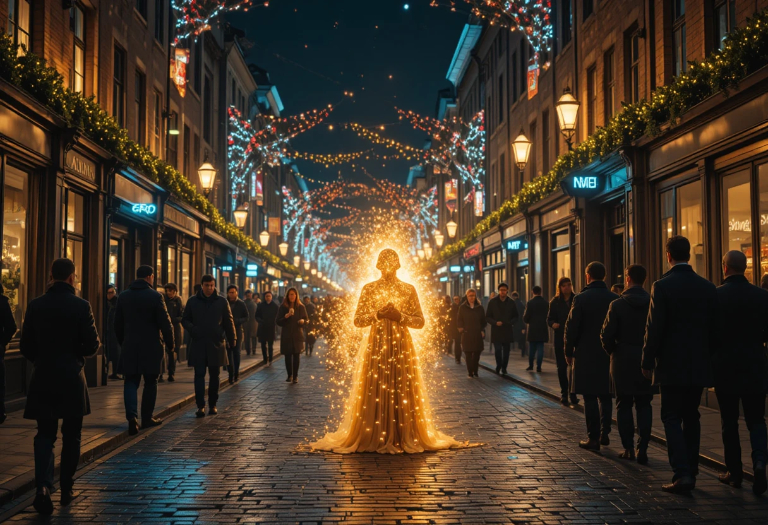
Christmas elves don’t show up randomly. They arrive when a place, a family, or even a single person needs a boost of holiday spirit. This could be after a rough year, during grief, or when joy feels hard to reach. Suddenly, a stranger says the exact right thing, or something small but meaningful goes perfectly.
These elves are emotional weather-changers. They gently shift the atmosphere without anyone noticing the work behind it. If your mood lifts for no clear reason after a brief interaction, pay attention—that wasn’t an accident.
They often linger in ordinary places: shopping centers, bus stops, bakeries, libraries. Anywhere humans gather while feeling stressed or worn down around the holidays is fair ground for elf magic.
They Have an Unnatural Love for Christmas Traditions

One of the clearest signs of a Christmas elf in human form is their deep devotion to traditions—especially the small ones. They don’t just like Christmas; they feel it. Decorating early, rescuing broken ornaments, baking for neighbors, insisting on handwritten cards.
This isn’t nostalgia. It’s instinct. Elves are guardians of seasonal rituals, and they treat traditions like sacred acts. Watch for someone who lights up when hanging lights or insists that certain songs must be played at the “right moment.”
They may claim it’s just habit or childhood memories, but the intensity runs deeper. Traditions feed their magic, and keeping them alive is part of their purpose.
They Give Gifts That Feel Almost Too Perfect
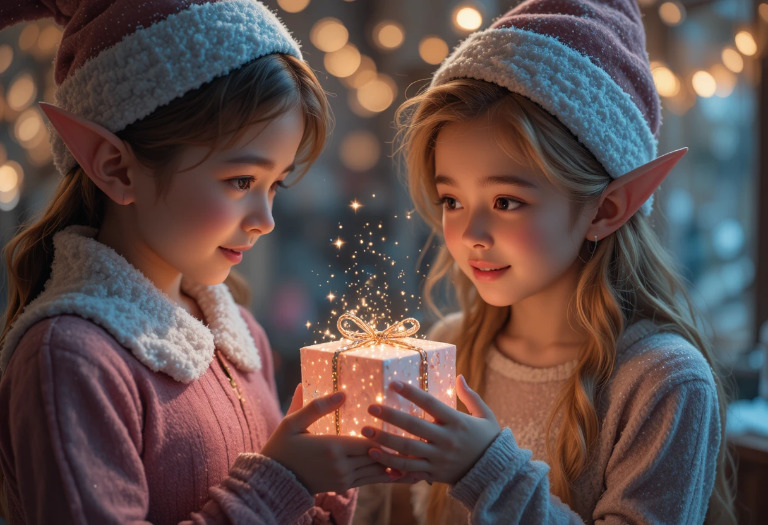
Elves are master gift-givers, even when money or time is limited. Their gifts might be simple, but they land exactly where they’re needed. A book that speaks to your soul, a scarf in the exact color you love, or something that solves a problem you never mentioned out loud.
This is classic Christmas elf behavior. They sense emotional gaps and fill them quietly. Often, they’ll downplay the effort—“Oh, it was nothing”—even when the gift feels deeply personal.
Sometimes the gift isn’t an object at all. It might be a favor, a kind word, or help at just the right moment. Elves give in ways that ripple long after Christmas morning.
They’re Drawn to Children and Animals

Christmas elves naturally gravitate toward kids and animals. Both are closer to raw magic than adults, and elves feel comfortable around that energy. Children may trust them instantly, talking freely or laughing for no reason.
Animals, too, respond with ease—especially cats, dogs, birds, and reindeer-energy creatures like deer. If you notice animals calming down or becoming unusually affectionate around someone during the holidays, that’s a gentle clue.
Elves don’t dominate these interactions. They just feel safe. And safety is one of the clearest markers of real magic at work.
They Work Tirelessly Without Complaining

Elves are built for behind-the-scenes effort. If someone takes on extra holiday tasks without fuss—organizing, cleaning, helping others, staying late—they might not be just “helpful.” They’re fulfilling instinctual work.
They often choose jobs or roles that support others: volunteers, caregivers, retail workers, delivery drivers, teachers. During Christmas, they somehow manage impossible workloads with steady cheer.
They do get tired—but they don’t resent the work. There’s purpose in it, and purpose fuels them.
Time Behaves Strangely Around Them

This is a subtle but powerful sign. Time tends to bend around Christmas elves. Conversations feel shorter or longer than expected. Long lines suddenly move faster when they’re near. Stressful moments soften.
Elves operate slightly out of sync with human time. When you’re around them, things just…flow better. Delays turn into coincidences. Chaos rearranges itself into order.
If you leave an interaction thinking, That felt different, trust that feeling. Magic doesn’t always sparkle—it smooths.
They Have a Soft Spot for Misfits and Loners

Christmas elves seek out the forgotten ones. People who feel invisible during the holidays, who don’t quite belong, or who carry quiet sadness. Elves notice them immediately.
They offer inclusion in small ways: an invitation, a shared joke, an unexpected kindness. Nothing flashy—just enough to remind someone they matter.
This isn’t charity. Elves understand what it feels like to exist between worlds, and they protect others who live there too.
They Avoid Recognition and Praise

Elves don’t want credit. If praised, they’ll deflect or change the subject. Being seen too clearly risks exposure—and besides, the magic works best when it feels natural.
They’re happy knowing the job is done, even if no one notices who made it happen. This is one reason they’re so hard to spot.
If someone disappears right after making a situation better, that’s worth remembering.
Their Eyes Change in Christmas Light

This is one of the oldest signs. In candlelight, fairy lights, or snow-reflected glow, an elf’s eyes may look brighter, older, or oddly reflective. Not in a scary way—more like depth layered over depth.
It only happens briefly. Blink and it’s gone. Many people question themselves afterward, convinced they imagined it.
You didn’t.
They Feel Familiar, Even If You’ve Just Met

Perhaps the strongest sign of all: recognition without memory. Talking to a Christmas elf feels like catching up with someone you’ve known forever, even if you just met.
There’s ease. Warmth. A sense of oh, there you are. That feeling lingers long after they leave.
That’s elf magic working at the heart level—the oldest place of knowing.
You’ve Probably Met One
Christmas elves don’t announce themselves, and they never stay forever. They come, do the work, and slip away before the magic hardens into disbelief. If you think you’ve spotted one, you probably have—and if you haven’t, there’s a good chance you’ve been one without realizing it.
The real secret is this: elf magic responds to belief and kindness. The more you carry those things, the closer you are to their world. And at Christmas, the doorway between worlds is always standing slightly open.