


Have you ever wondered if your blood type could reveal something about your personality, love life, or the way you connect with other people? In Japan, blood type personality is a popular idea that people use to talk about character traits, relationships, and even hidden sides of themselves. Much like astrology, it offers a fun way to explore what makes each person different.
Japanese blood type personality traditionally focuses on four main types: A, B, AB, and O. Each one is associated with its own strengths, weaknesses, and ways of handling life. People with type A are often described as thoughtful and organised, while type B is linked to independence, type AB to mystery, and type O to confidence. But what happens when you add the positive or negative Rh factor to the mix?
In this guide, we’ll look at all eight common blood types, from A positive to O negative, and the personality traits traditionally connected with each one. We’ll also explore blood type compatibility, attraction, and why AB personalities are often considered the most mysterious. Whether you’re checking your own type or trying to understand someone you love, there’s plenty here to keep you curious!
What Are Japanese Blood Types?
Japanese blood type personality is the belief that a person’s blood group can offer clues about their character, emotions, habits, and relationships. The idea became especially popular in Japan during the twentieth century, eventually becoming part of everyday conversations about friendship, romance, and personal differences. You might hear someone ask about your blood type in much the same way another person might ask about your zodiac sign.
The traditional system focuses on four blood groups: A, B, AB, and O. These groups are determined by the ABO blood group system, while the positive or negative sign refers to the Rh factor. In Japanese personality discussions, the four main groups have established character descriptions, but the positive and negative variations are not traditionally treated as separate personality types. This guide explores those eight combinations as an expanded, modern interpretation rather than a standard Japanese personality system.
Here’s the traditional breakdown:
-
Type A: Careful, responsible, considerate, and organised.
-
Type B: Independent, creative, curious, and spontaneous.
-
Type AB: Analytical, unusual, private, and sometimes difficult to read.
-
Type O: Confident, sociable, determined, and energetic.
These descriptions are cultural stereotypes, not reliable ways to judge someone’s character. Still, they can make an entertaining starting point for thinking about personality, attraction, and the different ways people approach life.
What Your Blood Type Reveals About Your Hidden Personality
The following profiles combine traditional Japanese blood type personality descriptions with imaginative interpretations of the positive and negative Rh factors. Remember that the Rh-based personality differences are not an established part of the traditional Japanese system.
A Positive (A+): The Thoughtful Perfectionist
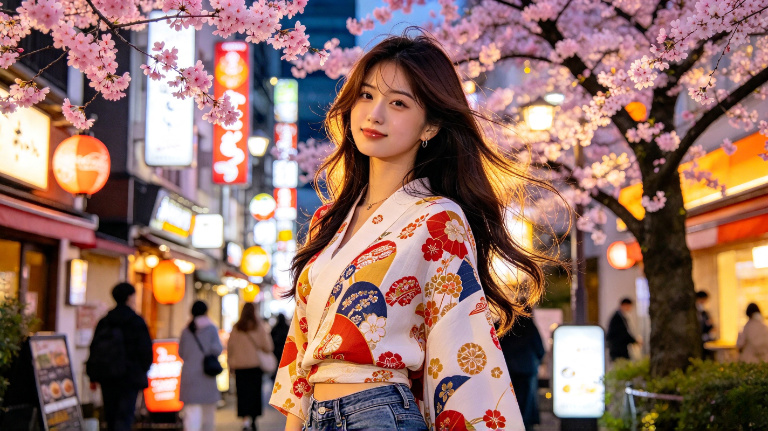
A positive personalities are often imagined as kind, dependable, and quietly determined. You may be the person who remembers a friend’s birthday, notices when someone is feeling left out, or makes sure everything is ready before an important event. You like knowing where you stand, and you often feel happiest when life has a little structure.
One of your biggest strengths is your ability to care about the details. You may notice small changes in someone’s mood or remember something important that everyone else has forgotten. People often feel safe around you because you take promises seriously and try to do the right thing, even when nobody is watching.
Your hidden challenge may be putting too much pressure on yourself. You might replay conversations in your head, worry about disappointing people, or feel frustrated when things don’t go according to plan. Because you want everything to work out, you can sometimes forget that mistakes are part of being human.
In love and friendship, A+ is associated with loyalty, affection, and a desire for stability. You may show your feelings through thoughtful actions rather than dramatic declarations. Your personal lesson is to give yourself the same patience and kindness that you offer everyone else.
A Negative (A–): The Quiet Observer
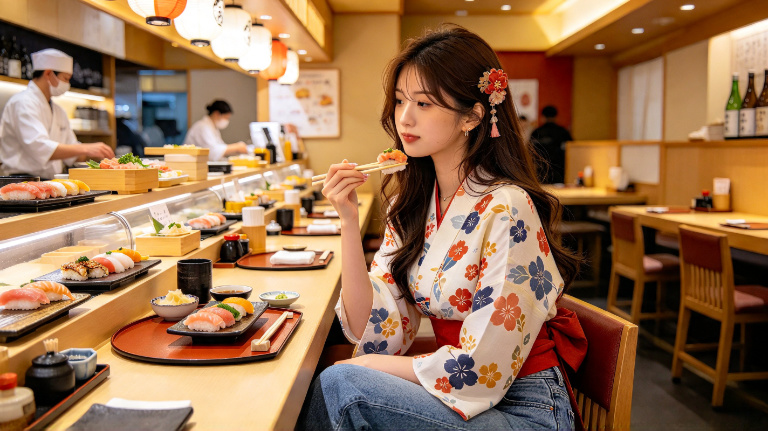
A negative personalities can be imagined as observant, private, and deeply thoughtful. You may prefer to watch a situation before deciding how you feel about it. Rather than being the loudest person in the room, you often notice the things that others overlook. You like understanding people, but you don’t necessarily reveal everything about yourself.
Your strength lies in your ability to think carefully before acting. You may be good at spotting inconsistencies, considering different viewpoints, and making decisions that reflect your personal values. Once someone earns your trust, they may discover a warm and dependable side that you don’t show to everyone.
The difficult side of this personality is the tendency to retreat when life becomes overwhelming. You might keep your worries private because you don’t want to burden others, or become distant when you need time to process your emotions. People who don’t know you well may mistake your silence for disinterest.
In relationships, A– is associated here with meaningful connections rather than a large social circle. You may need time to open up, but you value honesty and emotional security. Your hidden strength is the ability to understand yourself deeply, provided you don’t let overthinking stop you from enjoying the present.
B Positive (B+): The Free Spirit
B positive personalities are often imagined as lively, independent, and full of ideas. You like having room to do things your own way, and you may become restless when life feels too predictable. New experiences, interesting people, and creative projects can bring out your best side.
Your greatest strength is your willingness to follow your curiosity. You might be the friend who suggests a spontaneous road trip, tries an unusual hobby, or comes up with a solution nobody else considered. You can bring excitement into ordinary situations and remind others that life doesn’t always have to follow a strict plan.
Your challenge may be staying focused when something loses its excitement. You could start several projects at once, become impatient with rules, or struggle when other people expect you to follow their schedule. Independence is wonderful, but relationships and long-term goals sometimes require compromise and consistency.
In love, B+ is associated with playful affection, adventure, and a need for personal freedom. You may be drawn to someone who enjoys your individuality instead of trying to change you. Your best relationships give you space to grow while still offering genuine commitment and care.
B Negative (B–): The Independent Thinker

B negative personalities can be imagined as independent thinkers with a strong sense of individuality. You may have opinions that differ from the crowd, and you’re not necessarily interested in pretending to agree just to fit in. You prefer making your own discoveries and forming your own conclusions.
You may have a creative mind and an unusual way of looking at everyday problems. When others follow familiar paths, you might wonder whether there’s a better or more interesting option. This ability to think differently can help you develop original ideas and find opportunities that other people miss.
However, independence can sometimes turn into stubbornness. You might resist advice even when it could help, or become frustrated when people question your decisions. If you feel misunderstood, you may pull away rather than explain what’s going on inside your head.
In relationships, B– is associated with authenticity and a desire for mutual respect. You may take time to trust someone who seems controlling, but you can be deeply loyal when you feel accepted. Your challenge is remembering that letting someone support you doesn’t mean giving up your independence.
AB Positive (AB+): The Fascinating Enigma

AB positive personalities are often imagined as intriguing, intelligent, and full of contrasts. You might be sociable one day and crave solitude the next. You can enjoy lively conversations while still keeping your deepest thoughts private. This mixture can make you difficult to predict, even for people who know you well.
Your strength is your ability to look at a situation from more than one angle. You may combine logic with intuition, practical thinking with imagination, and emotional awareness with a cool head. When people are stuck between two opposing ideas, you might be the one who understands both sides and finds a fresh perspective.
The challenge is that your changing moods or need for space can confuse others. You might want closeness without feeling crowded, or understand your emotions intellectually before you’re ready to express them. Sometimes you can spend so much time analysing a situation that you delay making a decision.
In love, AB+ is associated with mental connection, curiosity, and a little mystery. You may be attracted to people who keep you interested without playing games. Your most rewarding relationships allow you to be both independent and affectionate, without demanding that you behave the same way every day.
AB Negative (AB–): The Rare and Mysterious Soul
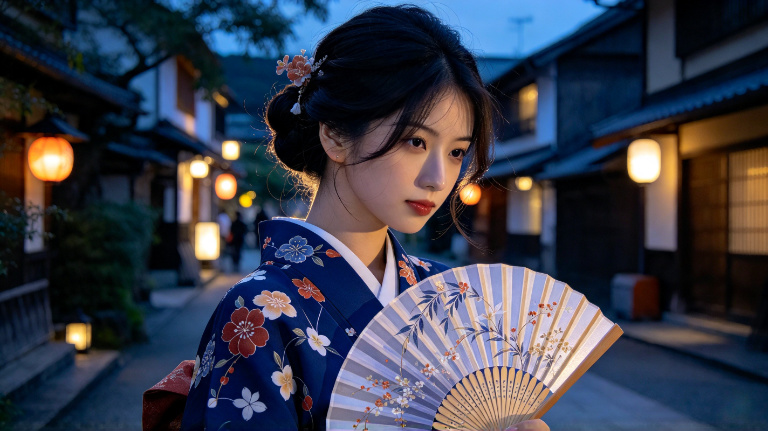
AB negative personalities can be imagined as private, perceptive, and unusually independent. The combination is especially intriguing because AB negative is uncommon in many populations. In this imaginative personality reading, you may feel most comfortable when you can observe the world quietly and decide for yourself what matters.
You may have a talent for noticing contradictions and understanding complicated situations. People might come to you when they need a thoughtful opinion because you can step back from the drama and consider the bigger picture. You may also enjoy unusual interests that allow you to explore ideas beyond the ordinary.
Your hidden struggle could be feeling disconnected when other people don’t understand your need for solitude or your complicated thoughts. You might keep your feelings to yourself until they become difficult to explain. While privacy can protect your peace, letting trusted people see the real you can make relationships more rewarding.
In love, AB– is associated with selectiveness, emotional depth, and a preference for genuine connection. You may not be interested in superficial attention; you want someone who respects your boundaries and takes your ideas seriously. Your strength is your individuality, but you don’t have to remain mysterious to be interesting.
O Positive (O+): The Natural Leader

O positive personalities are often described as confident, outgoing, and determined. You may naturally step forward when something needs to be done, especially when other people are unsure where to begin. You enjoy having goals, making progress, and feeling that your efforts are leading somewhere.
Your greatest strength is your ability to inspire action. You may be good at bringing people together, encouraging a friend who has lost confidence, or keeping everyone focused during a difficult situation. Your energy can make others feel that a challenge is manageable, even when it initially seems overwhelming.
The downside is that confidence can sometimes become impatience. You might want people to make decisions quickly, become frustrated when progress is slow, or take on too much because you believe you can handle it all. Remember that leadership also involves listening, sharing responsibility, and recognising when somebody else has a better idea.
In romance, O+ is associated with warmth, loyalty, and a direct approach to attraction. You may prefer a relationship where both people show their feelings and make their intentions clear. Your best match is someone who appreciates your confidence while feeling comfortable enough to challenge you when necessary.
O Negative (O–): The Strong-Willed Protector
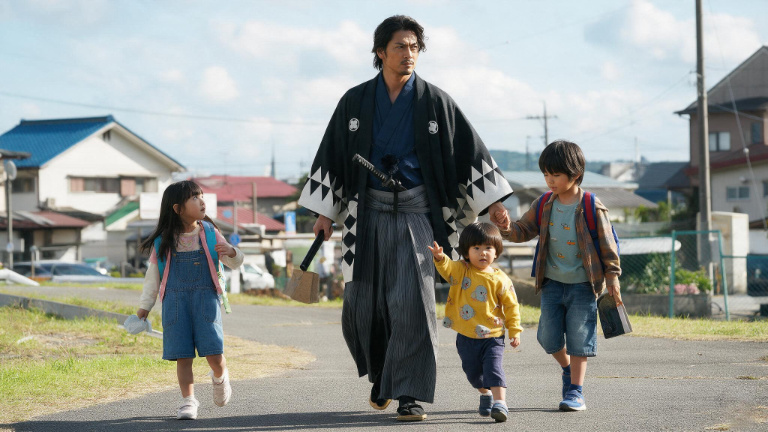
O negative personalities can be imagined as strong-willed, protective, and quietly courageous. You may be the person others turn to when something goes wrong because you try to stay composed and focus on what needs to happen next. You value independence, but you may also feel a strong responsibility toward the people you care about.
One of your biggest strengths is your determination. Once you decide that something matters, you can put a great deal of energy into achieving it. You may be especially protective of your friends and family, standing up for them when they need support and refusing to abandon a difficult situation simply because it becomes uncomfortable.
Your challenge may be feeling that you always have to be the strong one. You might hide your worries, struggle to ask for help, or become overly protective when someone you love makes a risky decision. Being dependable doesn’t mean you must carry every problem on your own.
In relationships, O– is associated with loyalty, honesty, and a desire for mutual trust. You may show love through actions and practical support rather than constant words. Your hidden lesson is that vulnerability can be a form of strength, too, and the right person will want to support you just as much as you support them.
The Most Common Strengths and Weaknesses of Each Blood Type
In traditional Japanese blood type personality descriptions, each group has qualities that can be seen as both a strength and a challenge. The same trait can work beautifully in one situation and create difficulties in another.
| Blood type | Common strengths | Possible weaknesses |
|---|---|---|
| A | Thoughtful, reliable, organised | Worrying, perfectionism, people-pleasing |
| B | Creative, independent, adaptable | Impatience, inconsistency, stubbornness |
| AB | Analytical, perceptive, open-minded | Reserved, indecisive, difficult to read |
| O | Confident, determined, sociable | Overconfident, impatient, overly forceful |
Type A is associated with responsibility and consideration. These qualities make A personalities dependable friends and colleagues, but their desire to do things properly can leave them worrying about small mistakes.
Type B is linked to freedom and originality. B personalities are often portrayed as imaginative people who aren’t afraid to be different, although their dislike of restrictions can sometimes make routines and commitments feel difficult.
Type AB is traditionally described as a mixture of contrasting traits. These personalities may be seen as thoughtful and adaptable, but their private nature can make it hard for others to know what they’re really thinking.
Type O is associated with confidence and determination. O personalities are often imagined as natural leaders who encourage others to take action, though they may need to slow down and consider different viewpoints.
The positive and negative Rh factors don’t have established personality meanings in the traditional system. The extra descriptions in this article are creative interpretations rather than proven differences between people with the same ABO group.
Japanese Blood Type Compatibility: Who Matches Best?

Blood type compatibility is a popular part of Japanese blood type culture, particularly when people are talking about romance. The traditional idea is that certain personality types naturally balance each other, while others may need more patience to understand one another. These are playful cultural interpretations rather than reliable predictions of whether a relationship will succeed.
The matches below focus on the four traditional ABO groups. The positive and negative signs don’t have established roles in Japanese personality compatibility, so the pairings apply broadly to A, B, AB, and O personalities.
A and O: The Stable, Supportive Match
Type A and type O are often portrayed as a promising pairing. A brings thoughtfulness, patience, and attention to detail, while O brings confidence, energy, and a willingness to take the lead. Together, they can create a relationship that feels both secure and full of forward movement.
In everyday life, A may help O slow down and consider the little things, while O can encourage A to worry less and take chances. They may complement each other particularly well when they appreciate their different approaches instead of treating them as problems.
The main challenge is balancing control and sensitivity. O may need to be more considerate when making decisions, while A may need to speak up rather than quietly accept everything. When both people listen to each other, this pairing can represent a warm and dependable partnership.
A and A: The Understanding Match
Two type A personalities may understand each other’s desire for stability, consideration, and a peaceful home. Both may appreciate thoughtful gestures, keeping promises, and making plans together. Their shared values can make it easier to build trust over time.
They may also be especially attentive to each other’s needs. Small acts of kindness, remembering important dates, and offering practical help can become meaningful ways to express affection. Neither person necessarily needs grand romantic gestures to feel loved.
The difficulty is that both partners may worry about upsetting the other. They could avoid difficult conversations or spend too much time trying to make everything perfect. Learning to speak honestly, accept mistakes, and relax together can help this pairing thrive.
B and O: The Exciting Match
Type B and type O are often imagined as an energetic and adventurous couple. B brings spontaneity, curiosity, and creative ideas, while O adds confidence and enthusiasm. Their relationship may feel lively because both can enjoy doing things rather than simply talking about them.
They may encourage each other to try new experiences, meet different people, and approach life with confidence. B can help O become more flexible, while O can help B turn exciting ideas into real plans.
Their challenge is avoiding a battle of wills. Both may have strong preferences, and neither will necessarily enjoy being told what to do. Respecting each other’s independence and making room for compromise can turn their differences into a strength.
B and AB: The Unconventional Match
Type B and type AB are often imagined as an intriguing pairing because both are associated with individuality. They may enjoy unusual conversations, creative activities, and the freedom to develop their own interests without feeling pressured to follow conventional expectations.
B may bring spontaneity and openness, while AB may contribute careful observation and a different perspective. They can keep each other curious, especially when they appreciate the fact that neither person needs to think exactly the same way.
The challenge is understanding each other’s emotional needs. B may want more direct responses, while AB may need time alone to process thoughts and feelings. Clear communication can help them avoid interpreting independence as rejection.
A and AB: The Thoughtful Match
Type A and type AB may connect through meaningful conversations, shared interests, and a mutual appreciation for thinking things through. A is traditionally associated with dependability, while AB is linked to analysis and flexibility. Together, they may approach problems from different but useful angles.
A can offer consistency and practical support, while AB may introduce fresh ideas and help A consider possibilities beyond the usual plan. Both may value a relationship where they can talk honestly and learn from one another.
However, A may sometimes want clearer emotional reassurance than AB naturally offers. AB, meanwhile, may feel overwhelmed if every disagreement becomes a long discussion. Respecting each other’s communication styles can help this pairing develop trust.
B and B: The Freedom-Loving Match
Two type B personalities may enjoy a relationship filled with laughter, independence, and spontaneous plans. Both are traditionally associated with curiosity and personal freedom, so they may understand each other’s desire to explore different interests without needing constant togetherness.
Their shared adventurous side can make dating exciting. They might enjoy travelling, experimenting with hobbies, or supporting each other’s unusual ideas. Because neither necessarily wants a rigid routine, they may find it easy to keep things fresh.
The main challenge is consistency. If both avoid difficult conversations or put off responsibilities, important issues may remain unresolved. Setting shared goals and making time for each other can provide stability without taking away the freedom they enjoy.
AB and O: The Opposites-Attract Match
AB and O are often portrayed as a pairing where contrasting personalities create attraction. O is associated with confidence and directness, while AB is linked to thoughtfulness and complexity. Their different approaches can make each other seem fascinating.
O may help AB feel more comfortable taking action, while AB can encourage O to consider different viewpoints before making a decision. If they value these differences, they can learn from each other and develop a more balanced approach to life.
Their challenge is avoiding misunderstandings. O may want immediate answers, while AB may need time to think. O should avoid pushing for instant decisions, and AB should try to explain when they need space. Patience can make this pairing much more comfortable.
AB and AB: The Mysterious Match
Two AB personalities may enjoy the feeling of being understood without having to explain every unusual thought or interest. Both may appreciate privacy, intellectual curiosity, and the freedom to move between social time and solitude.
Their relationship could be full of interesting conversations and unexpected discoveries. Each partner may enjoy the other’s complexity, especially when neither expects the other to fit a predictable role. They can create a bond that feels individual and unconventional.
However, two private people can sometimes become too comfortable keeping their feelings to themselves. If both wait for the other to start a difficult conversation, important issues may go unspoken. Making a conscious effort to communicate affection and concerns can help them stay connected.
O and O: The Powerful Match
Two O personalities are traditionally imagined as a confident, enthusiastic couple. They may share a love of activity, ambitious goals, social experiences, and taking charge of their own lives. Their mutual energy can make them an encouraging team.
They may motivate each other to pursue opportunities and celebrate each other’s achievements. When they work toward a common goal, their determination can help them make real progress together.
The challenge is that two strong personalities may both want the final say. Arguments can become competitive if neither person is willing to step back. Learning to share decisions and appreciate each other’s strengths can help them turn that confidence into a lasting partnership.
A quick compatibility guide: In the traditional interpretation, A and O are often considered a complementary pairing, B and O can bring excitement, and AB may be drawn to partners who respect their individuality. But no blood type pairing guarantees attraction or lasting love. How people treat one another matters far more than a label.
Which Blood Type Are You Most Attracted To?

If you enjoy the Japanese blood type personality system, your attraction may depend on which qualities you find most appealing. Think about whether you prefer someone dependable, adventurous, mysterious, or confident. Each traditional type offers a different romantic character.
-
Type A: You may be attracted to someone who values loyalty, emotional security, and thoughtful affection. A dependable partner who remembers the little things may win your heart.
-
Type B: You may be drawn to someone playful, independent, and open to adventure. You want a relationship that feels exciting without becoming controlling.
-
Type AB: You may find intelligence, originality, and a little mystery attractive. Someone who can surprise you with an interesting conversation may hold your attention.
-
Type O: You may appreciate confidence, warmth, and direct communication. A partner who knows what they want but still respects your independence could be appealing.
Of course, attraction isn’t something that follows a neat set of rules. You might fall for someone whose personality is completely different from your own, or find that a person who seems like your perfect match on paper doesn’t create a spark in real life.
If you’re curious about your own preferences, ask yourself what makes you feel most loved. Is it reassurance, excitement, intellectual connection, or the feeling that someone will stand beside you when life gets difficult? Your answer may reveal more about your romantic needs than your blood type ever could.
The Rarest and Most Mysterious Blood Type Personality: AB

AB personalities often receive the most attention in Japanese blood type personality discussions because they are traditionally portrayed as complex, unusual, and difficult to predict. They combine the A and B groups in the ABO system, which has inspired the popular image of someone who can seem calm and logical one moment, then playful or unconventional the next.
People who identify with the AB description may enjoy examining situations from several angles. They might be comfortable with contradictions, appreciate unusual ideas, and resist being placed into a simple category. Rather than following a single way of thinking, they may prefer to explore different possibilities before deciding what feels right.
Another familiar AB stereotype is the contrast between sociability and solitude. An AB person might enjoy an engaging conversation but need quiet time afterwards. They may be friendly without sharing their private feelings easily, leaving other people wondering what they are really thinking. This doesn’t mean they are cold or secretive; it simply makes for an interesting personality description.
AB negative is sometimes given an extra air of mystery because it is uncommon in many populations. However, rarity alone doesn’t mean a person has a more unusual personality, stronger intuition, or special hidden abilities. The positive and negative Rh factors are blood characteristics, not personality indicators.
The most interesting part of the AB personality idea is the reminder that people can contain qualities that seem to contradict each other. Someone can be confident yet sensitive, logical yet imaginative, or sociable yet private. You don’t have to fit into one predictable box to have a fascinating personality.
Why Is Blood Type Personality So Popular in Japan?

Blood type personality became a familiar part of Japanese popular culture through books, media, and everyday conversation. The idea offers a simple way to talk about personality without needing a long explanation. Asking someone’s blood type can become an easy conversation starter, particularly when people are getting to know each other.
Another reason for its popularity is that the four traditional groups provide recognisable character descriptions. People can compare the traits with their own experiences, laugh about the stereotypes, or use them to talk about differences between friends and partners. Much like zodiac signs, the system can be entertaining even for people who don’t take every description seriously.
Blood type personality has also appeared in Japanese entertainment and dating culture, helping keep the subject familiar across generations. Some people treat it as a lighthearted game, while others may take the descriptions more seriously. Its popularity reflects the appeal of finding simple ways to understand ourselves and the people around us, rather than proof that blood type determines character.
How Is Blood Type Personality Used in Japan?
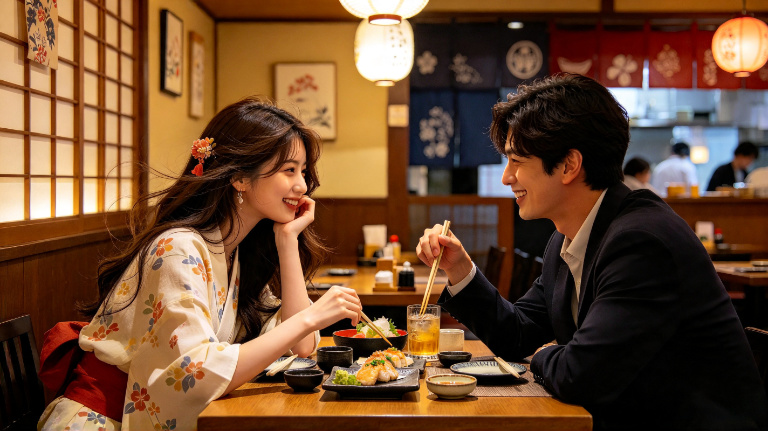
1. Dating and Matchmaking
Blood type can come up in conversations when people in Japan are getting to know potential romantic partners. Someone might ask about a date’s blood type to see whether their personality sounds like a good match. If one person is described as organised and another as spontaneous, they might joke about how those qualities could work together in a relationship.
In matchmaking, the traditional descriptions can provide an easy way to talk about compatibility. Someone who values stability might be curious about a type A partner, while a person who enjoys adventure might be interested in the traditional type B description. These ideas can add a little fun to the process of getting to know someone.
Of course, blood type isn’t a dependable way to predict romantic success. Two people with supposedly incompatible types can have a wonderful relationship, while two people with supposedly perfect compatibility may not get along. Shared values, kindness, attraction, and communication are much more useful when deciding whether a relationship has potential.
2. Friendship and Social Conversations
Blood type personality can also be used as a conversation starter between friends. People may compare their types, discuss familiar stereotypes, or tease each other about who is the most organised, independent, or mysterious. It gives everyone an easy topic to join in on, even when they have only just met.
For example, a friend who always plans outings might be jokingly described as a typical type A, while the person who suggests a last-minute adventure might be called a type B. These playful descriptions can become little running jokes within a friendship group.
The best way to enjoy this is to keep an open mind. A person’s blood type doesn’t tell you everything about them, and everyone has qualities that don’t fit the traditional descriptions. Getting to know someone through their actions and experiences is far more rewarding than making assumptions based on a label.
3. Entertainment, Media, and Everyday Life
Blood type personality has appeared in Japanese books, television discussions, magazines, and other forms of popular entertainment. It offers an accessible way to talk about character traits, relationships, and the differences between people. Some media presentations focus on the fun of comparing personalities, while others explore the traditional descriptions in greater detail.
The idea can also appear in casual workplace conversations or social settings, although its use varies from person to person. Someone might mention their blood type during an introduction, while another person may never bring it up at all. It isn’t a universal rule of Japanese life, and not everyone in Japan believes in blood type personality.
Like horoscopes and personality quizzes, blood type descriptions can give people a shared language for discussing themselves. The important thing is to enjoy the conversation without letting a stereotype decide what you think about someone before you’ve had a chance to know them.
Are Blood Type Personalities Real or Just a Fascinating Myth?

Japanese blood type personality is a real and well-known cultural idea, but that doesn’t mean blood type has been shown to determine personality. The traditional descriptions have been part of Japanese popular culture for decades, and many people enjoy using them to reflect on their character. Their popularity, however, is different from scientific evidence that the system accurately predicts individual behaviour.
Your ABO blood group and Rh factor are genuine biological characteristics. They are important in medical settings, particularly when matching blood for transfusions and managing certain pregnancy-related considerations. But there is no strong scientific evidence that being A positive makes you more organised, that B negative makes you more independent, or that AB positive gives you a more mysterious personality.
That doesn’t mean you can’t enjoy the tradition. You can use blood type personality as a playful way to consider your strengths, think about your relationships, or start a conversation with someone new. Just remember that no blood type can tell your entire story. Your experiences, choices, values, and the way you treat others all contribute to the person you become.