
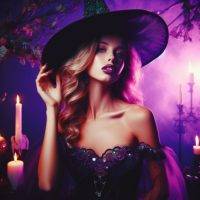
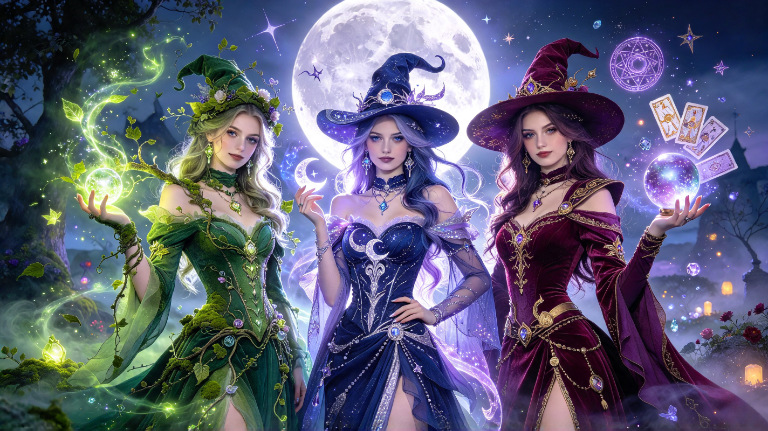
Witchcraft isn’t a one-size-fits-all practice. Some witches feel most at home surrounded by plants, herbs, and the natural world, while others find their magic in the moon, crystals, tarot cards, cooking, or the elements. Every witch has their own way of connecting with energy, practising spells, and discovering what works best for them.
You don’t need to own a hundred crystals, have a collection of ancient spellbooks, or spend every night performing rituals to be a witch. Sometimes magic begins with a feeling, a quiet moment, an unexpected dream, or a fascination with something you can’t quite explain. Your path can be simple, personal, and completely your own.
If you’re curious about the different types of witches, you might find that one particular path feels surprisingly familiar. Maybe you’ve always been drawn to the moon, felt a connection with animals and plants, or had a knack for reading people and sensing things before they happen. Let’s take a look at seven popular types of witches and what makes each one special.
1. Green Witch – The Magic of Nature
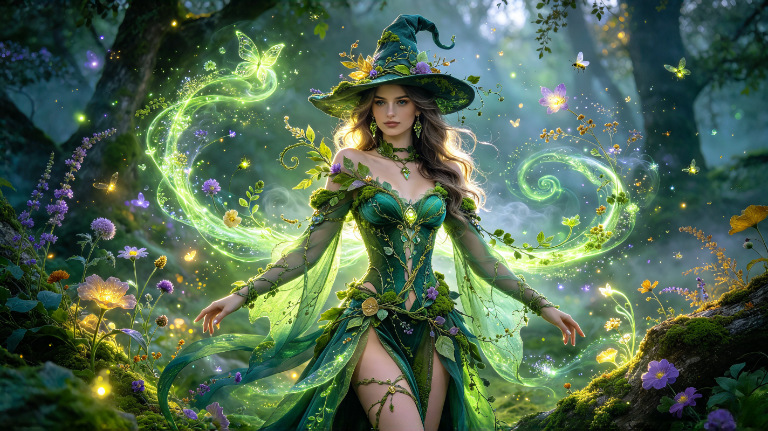
A green witch finds magic in the natural world. Plants, trees, flowers, herbs, gardens, and even the changing seasons are part of her magical practice. She might feel an unusual connection to a particular tree, grow herbs on her windowsill, or find herself drawn to the quiet energy of a forest. Nature isn’t simply something she admires; it’s something she works with.
Her magic often revolves around herbs, plant spirits, natural remedies, protection, abundance, fertility, and healing energy. Rosemary might be used for protection, lavender for peaceful energy, basil for prosperity, and rose petals for love. A green witch may create herbal sachets, enchanted oils, magical gardens, or spell jars using ingredients gathered with care.
Green witches are often happiest outdoors, where they can recharge their energy and feel connected to the world around them. Gardening, walking barefoot on grass, collecting fallen leaves, or sitting beneath a tree can become meaningful magical practices. They may also work with the energies of the seasons, celebrating the arrival of spring or using autumn as a time for letting go.
You don’t need a huge garden to follow the green witch path. A few potted plants, a collection of herbs, or even a small windowsill garden can become your own magical space. Green witchcraft reminds us that magic can grow from the smallest things, and sometimes the most powerful ingredients are already growing right outside your door.
2. Moon Witch – The Magic of Lunar Energy
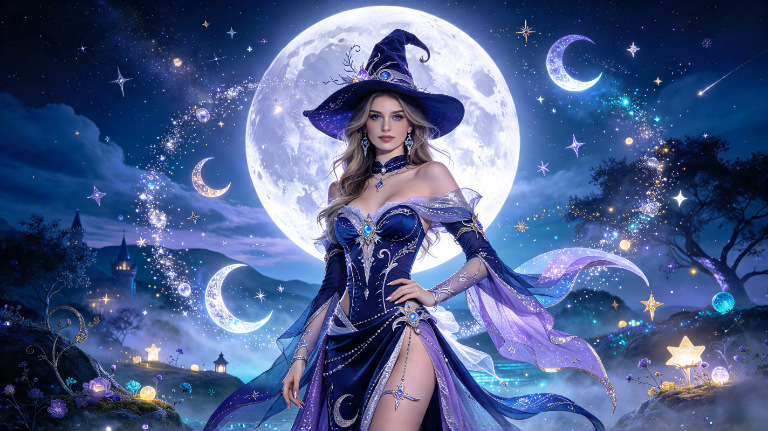
Moon witches are drawn to the mysterious power of the Moon and its changing phases. They work with lunar energy to manifest desires, release unwanted energy, strengthen intuition, and bring greater balance into their lives. The Moon is more than a beautiful object in the night sky; it is a magical companion that influences the timing and energy of their rituals.
Each lunar phase carries its own magical meaning. The New Moon is associated with fresh beginnings and setting intentions, the Waxing Moon with growth and attraction, the Full Moon with powerful manifestation and celebration, and the Waning Moon with cleansing and releasing. Moon witches often plan their spells around these phases, choosing the right moment for the energy they wish to work with.
Moon water is one of the most popular practices among moon witches. They may leave water beneath the moonlight to absorb lunar energy, then use it for cleansing rituals, watering magical plants, spiritual baths, or adding to their altar. Some also work with moonstones, silver jewellery, lunar tarot readings, and meditation beneath the night sky.
Being a moon witch can mean having a deep emotional connection to the night, feeling inspired by the stars, or finding yourself more spiritually aware during certain lunar phases. Keeping a moon journal is a wonderful way to begin, recording your dreams, emotions, intentions, and experiences throughout the lunar cycle. Over time, you may discover that the Moon becomes an important part of your magical rhythm.
3. Crystal Witch – The Magic of Stones and Gemstones
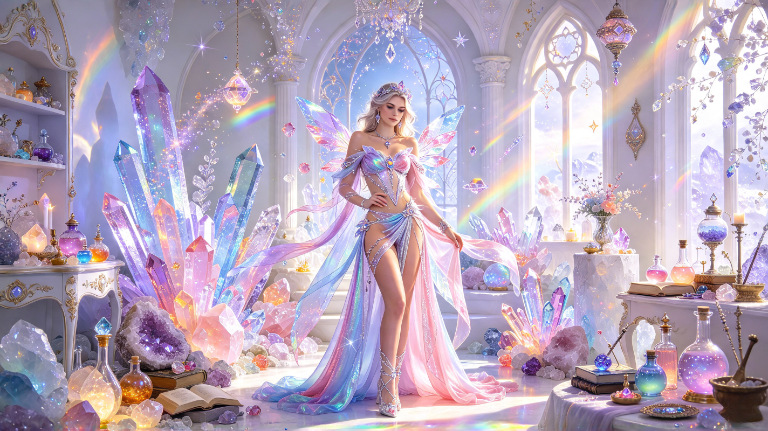
Crystal witches work with the magical properties of crystals, gemstones, and minerals. Each stone is believed to carry its own energy, making crystals useful for everything from protection and love spells to confidence, spiritual awareness, and attracting abundance. A crystal witch may have a favourite stone that she carries everywhere or an altar filled with gemstones chosen for specific intentions.
Amethyst is often associated with intuition and spiritual connection, rose quartz with love and compassion, citrine with prosperity, black tourmaline with protection, and clear quartz with amplifying magical intentions. Crystal witches may place stones around their homes, carry them in their pockets, wear crystal jewellery, or use them during meditation and spellcasting.
Their magical practice often includes crystal grids, where stones are arranged in particular patterns to focus energy towards a specific goal. A crystal grid for love might combine rose quartz with other stones associated with emotional healing, while a protection grid could feature black stones placed around a home or magical space. The placement, intention, and combination of crystals are all important parts of the ritual.
You don’t need an enormous crystal collection to become a crystal witch. Starting with just a few stones that you feel drawn to can be enough. Many crystal witches believe that the right stone finds you at the right time, so choosing crystals based on your intuition can be just as meaningful as following a traditional list of magical properties.
4. Kitchen Witch – The Magic of Cooking and Food
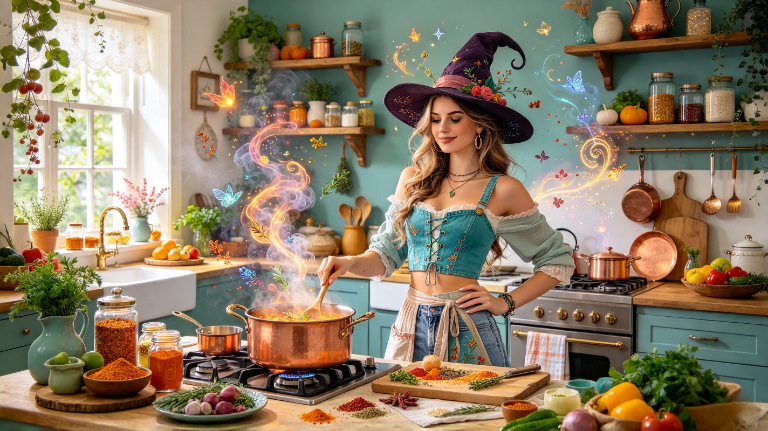
Kitchen witches bring magic into everyday cooking, baking, and food preparation. Their kitchens are often their favourite magical spaces, filled with herbs, spices, candles, wooden utensils, jars, and recipes passed down through generations. Instead of separating magical rituals from ordinary life, they turn everyday activities into opportunities to create something enchanted.
Food is an important part of kitchen witchcraft because ingredients carry symbolic and magical associations. Cinnamon may be used in prosperity spells, honey in sweetness and attraction magic, garlic in protection, and rosemary in cleansing. A kitchen witch might stir intention into a soup, bake a prosperity cake, or prepare a special meal to encourage love, happiness, or harmony within the home.
Kitchen witches also enjoy creating magical teas, herbal blends, infused oils, enchanted biscuits, and seasonal recipes. The way ingredients are combined, the intention behind the preparation, and the energy of the person cooking all contribute to the magical experience. Even something as simple as making morning coffee can become a small ritual for confidence and motivation.
This path is perfect for witches who enjoy cooking, experimenting with flavours, and making their homes feel warm and welcoming. You don’t have to be an expert chef, either. A kitchen witch can work magic with a simple cup of tea, a homemade meal, or a jar of herbs sitting on the shelf. It’s a lovely reminder that magic doesn’t always require a complicated ritual.
5. Divination Witch – The Magic of Seeing Beyond
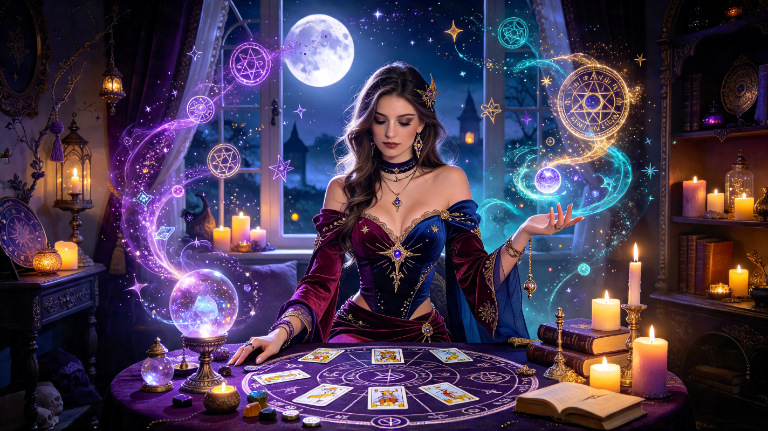
Divination witches specialise in magical methods of seeking answers, guidance, and hidden knowledge. They may use tarot cards, oracle decks, pendulums, runes, tea leaves, crystal balls, or astrology to interpret messages and explore possibilities. Their practice revolves around intuition, symbolism, and the belief that there is more to a situation than what can be seen on the surface.
Tarot is one of the most popular tools used by divination witches. A card reading can offer insight into relationships, career decisions, personal challenges, spiritual growth, or possible future events. Some witches prefer traditional tarot meanings, while others develop their own interpretations based on intuition, dreams, and the feelings they experience when a card appears.
Divination witches may also practise scrying, which involves gazing into a reflective surface such as a crystal ball, dark mirror, or bowl of water to receive visions or impressions. Pendulums can be used to explore yes-or-no questions, while runes offer another way of interpreting symbols and magical messages. Some witches combine several divination methods to create their own unique practice.
This type of witchcraft is particularly appealing to people who are naturally curious, observant, intuitive, or fascinated by mysteries. Keeping a record of readings can help a divination witch recognise recurring symbols, patterns, and messages over time. The more familiar you become with your chosen tools, the more personal and meaningful your readings may feel.
6. Elemental Witch – The Magic of Earth, Air, Fire and Water
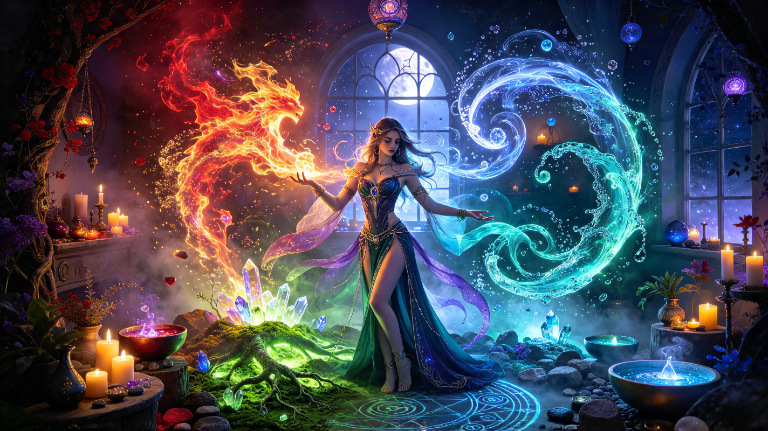
Elemental witches work with the magical energies of the four classical elements: Earth, Air, Fire, and Water. Each element represents different qualities, emotions, and forms of magical energy. Elemental witchcraft is about understanding these forces, connecting with them, and using their symbolism and energy within rituals and spells.
Earth represents stability, abundance, grounding, fertility, and protection. Air is connected to thoughts, communication, intelligence, inspiration, and freedom. Fire represents passion, courage, transformation, strength, and powerful manifestation. Water is associated with emotions, intuition, healing, love, dreams, and spiritual cleansing. Elemental witches may choose one element as their strongest connection or work with all four.
Rituals can involve lighting candles to connect with Fire, working with stones and soil for Earth, using incense or feathers to represent Air, or placing bowls of water on an altar for Water. Some witches create elemental altars with four corners, each dedicated to one of the elements. Others perform spells outdoors, connecting directly with the wind, rain, sunlight, rivers, or the ground beneath their feet.
An elemental witch may feel especially connected to thunderstorms, the ocean, mountains, wildfires, or a particular season. This path can be a wonderful way to discover which energies naturally resonate with you. Whether you feel powerful standing beside the ocean or inspired by the warmth of a flame, elemental witchcraft offers many ways to bring the natural forces of the world into your magical practice.
7. Eclectic Witch – Creating Your Own Magical Path
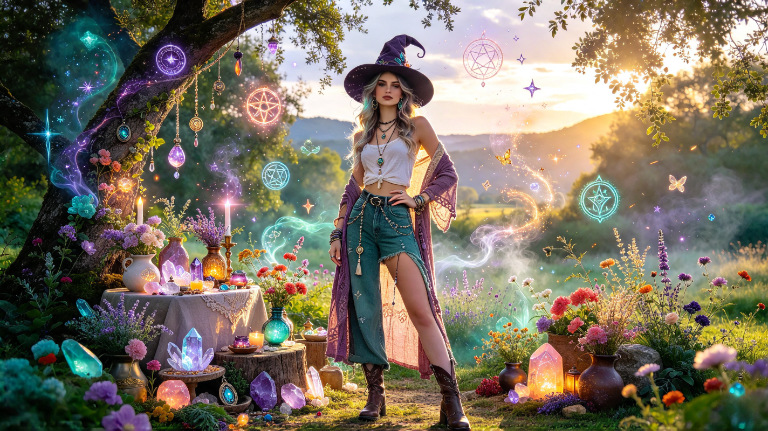
An eclectic witch doesn’t follow just one tradition or type of witchcraft. Instead, she creates a personal magical practice by combining different paths, beliefs, rituals, and techniques that feel right to her. She might work with crystals one day, perform a moon ritual the next, and prepare an enchanted meal later in the week. Her magic is shaped by her interests, experiences, and intuition.
Eclectic witches often enjoy learning about different forms of witchcraft, exploring ancient traditions, reading magical books, experimenting with spellwork, and discovering new techniques. They might borrow inspiration from green witchcraft, kitchen witchcraft, astrology, divination, candle magic, or elemental practices, adapting these ideas into something that feels meaningful to them.
Their altars can be wonderfully personal, containing everything from tarot cards and crystals to flowers, shells, candles, photographs, feathers, and treasured objects. An eclectic witch may change her altar depending on the season, the Moon, her intentions, or whatever magical subject she is currently exploring. There are no strict rules about what her practice must look like.
This path is ideal for someone who doesn’t feel drawn to a single label or wants the freedom to explore different forms of magic. You might begin as a crystal witch and eventually discover that herbs, tarot, and lunar rituals become equally important to you. An eclectic witch understands that the journey is just as magical as the destination and that your practice can grow and change throughout your life.
8. Gothic Witch – The Magic of Darkness and Mystery
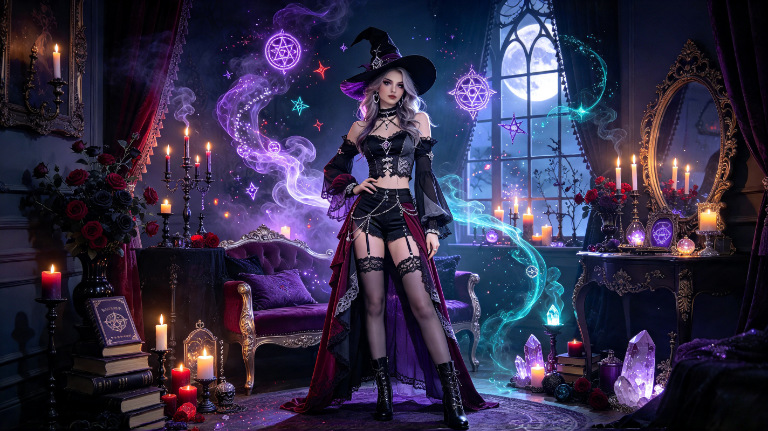
Gothic witches are drawn to the darker, mysterious, and beautifully haunting side of witchcraft. Their magical world may include black candles, antique jewellery, dark roses, old spellbooks, Victorian aesthetics, gothic architecture, cemetery symbolism, and the atmosphere of a moonlit night. They find beauty in things that others might consider strange, unsettling, or mysterious, and often embrace darkness as a source of strength rather than something to fear.
Gothic witchcraft often focuses on shadow work, protection, transformation, ancestral connections, spirit communication, and exploring hidden aspects of the self. Black candles may be used for banishing unwanted energy, dark crystals for grounding and protection, and roses for love, passion, or the mysteries of life and death. Their rituals often have a dramatic, atmospheric quality, using candlelight, incense, music, and carefully chosen magical objects.
Many gothic witches feel drawn to old places, abandoned buildings, ancient cemeteries, folklore, mythology, vampires, ghosts, and stories of the supernatural. They may incorporate gothic literature, dark romanticism, and ancestral traditions into their magical practice. Some work with spirits, while others are simply fascinated by the symbolism of death, rebirth, darkness, and the transformation that comes from facing your fears.
Being a gothic witch doesn’t mean practising evil magic or wanting to harm others. It’s about embracing the mysterious, finding strength in your shadows, and recognising that darkness can hold its own kind of beauty, wisdom, and power. A gothic witch may dress in black, decorate her altar with skulls and dark flowers, or simply feel most spiritually connected when the world becomes quiet beneath the night sky.
Finding Your Own Witchcraft Path
There is no single correct way to become a witch, and these eight paths are only a small glimpse into the world of witchcraft. You may feel drawn to one type of witch today and discover an entirely different side of your magic six months from now. Some witches follow a particular tradition for their entire lives, while others allow their practice to evolve naturally.
The important thing is to pay attention to what genuinely interests you. If plants make you feel connected to magic, explore green witchcraft. If the Moon fascinates you, begin working with lunar rituals. If you love tarot, cooking, crystals, or the elements, let those interests guide you. Your magical path doesn’t need to look like anyone else’s, and you don’t need permission to explore it.
Magic is a personal journey, and the best place to begin is often with the things that already make you feel a little enchanted.