
There’s something quietly powerful about the turning of the year. The way the air shifts just before autumn arrives, or how the first warm day of spring feels like the earth letting out a long breath — these moments have meant something to people for as long as people have existed. Across every culture, every corner of the world, humans have always marked the seasons. Not just noticed them, but celebrated them. Lit fires for them. Danced for them. Left offerings at the roots of old trees.
We live in a time when it’s easy to move through the whole year without really feeling it. Heating and air conditioning mean we’re insulated from the cold and the heat. Supermarkets stock strawberries in December and root vegetables year-round. The seasons still happen — they just don’t land the way they used to. And something about that disconnect leaves a lot of us feeling a little… unmoored. Like we’re floating through time rather than moving with it.
The good news is that reconnecting with the seasons doesn’t take a lot. It doesn’t require any special knowledge or expensive rituals or a cabin in the woods (though the cabin sounds nice). It’s more about paying attention — noticing what’s shifting around you and finding small, meaningful ways to mark those changes. Some of these practices are ancient. Some you can make up yourself. All of them carry the same simple intention: to be present in the season you’re actually in.
This is a guide to celebrating the wheel of the year in ways that feel alive and real. Whether you’re drawn to candles and ceremony or you’d rather just bake something seasonal and take a long walk, there’s something here for you. The seasons are always moving. This is about moving with them.
Magical Ways to Celebrate the Seasons
Spring — The Season of Beginnings
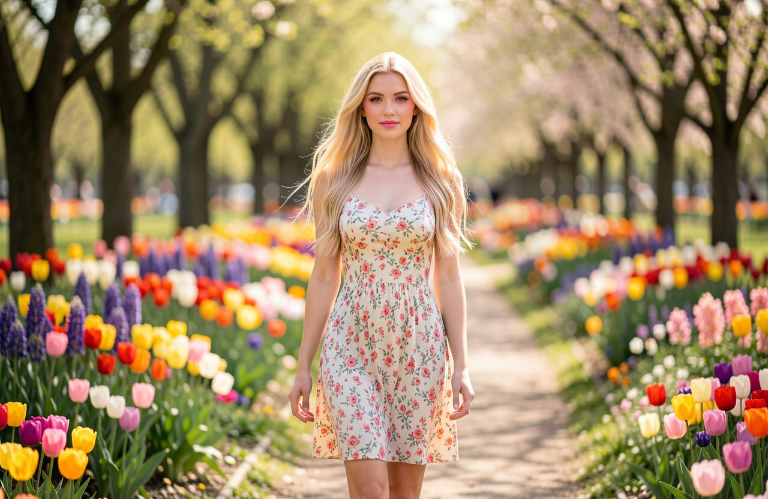
Spring doesn’t announce itself all at once. It arrives in pieces — a crocus pushing through cold ground, the smell of rain on soil that’s been frozen for months, the sudden noise of birds that weren’t there last week. There’s a reason so many cultures around the world treat spring as a new year. It genuinely feels like one. The light is coming back. Things that looked dead are waking up. And there’s this almost electric sense that something is possible again, something that winter made you forget.
Celebrating spring is really about celebrating return. The old traditions — planting seeds, decorating eggs, lighting bonfires at dawn — all carry the same message underneath: we made it through the dark, and now we begin again. You don’t have to follow any specific path to feel that. You might plant something in a pot on your windowsill and treat it as an intention. You might do a full clean of your home — not just a tidy, but a real clearing out — and mean it as something more than housework. The physical act and the symbolic one can be the same thing.
Water plays a big role in spring magic across many traditions. Springs and rivers were considered sacred at this time of year, newly alive after winter. Washing your face in morning dew on May Day was once considered a cure for almost everything. Collecting rainwater during a spring storm and using it to water your plants, or simply to sit with, carries that same quiet reverence. It sounds simple because it is — but simple doesn’t mean it doesn’t work. These things work because you bring meaning to them, and spring is a season that meets you halfway.
If you want one practice to take into spring, make it this: go outside and find something that’s growing. A weed coming up through the pavement counts. A tree covered in new buds. Moss on a wall. Just stop and really look at it — look at the fact that it came back, that it always comes back, that this is what life does. Let that land. That moment of genuine attention is as old as any ritual and just as real. Spring is the season that reminds you that beginning again is not a luxury. It’s just what living things do.
Summer — The Season of Fire and Fullness

Summer is the loud one. Everything is at full volume — the heat, the light, the noise of insects and laughter and late evenings that stretch on longer than they have any right to. It’s the season of abundance, of things in full bloom, of energy that feels almost too big to hold. Across traditions, summer — especially midsummer, around the solstice — has always been treated as a peak moment. The sun is at its highest. The year is at its ripest. And there’s always been something bittersweet about that, because the peak is also the turning point. From here, the light slowly begins to pull back.
The great summer traditions almost all involve fire. Midsummer bonfires were lit across Europe for thousands of years — people would leap over the flames for luck, roll burning wheels down hillsides, stay awake all night because this was a time when the boundary between the ordinary world and something else was considered thin. You don’t need a bonfire to tap into that energy (though if you can safely have one, it’s worth it). A candle lit at dusk, watched until it burns down, carries the same intention. Fire at this time of year is about celebrating light while it’s here and acknowledging that all bright things are also fleeting.
Summer is also the season for gathering — people, food, experiences. The old harvest festivals began in summer with the first cutting of hay, and they were communal by nature. Nobody brought in the harvest alone. So one of the most natural ways to celebrate summer is to actually be with people, outside, sharing food and time. A meal made from things that are in season right now. A long walk with someone you love. Lying on the ground and looking up at the sky like you did when you were a child and hadn’t yet learned to be too busy for that. These aren’t grand gestures. But done with awareness, they’re the whole point.
There’s a kind of magic specific to summer that has to do with presence — with being fully in the moment rather than rushing through it. The season practically demands it. The warmth slows you down. The long evenings give you room to breathe. If you take any intention into summer, let it be this: let yourself actually enjoy it. Not document it, not optimise it — just feel it. Eat the fruit that’s in season and notice how good it is. Swim in something. Stay up late for no reason. The sun is at its highest, the world is at its fullest, and you are allowed to be glad about that.
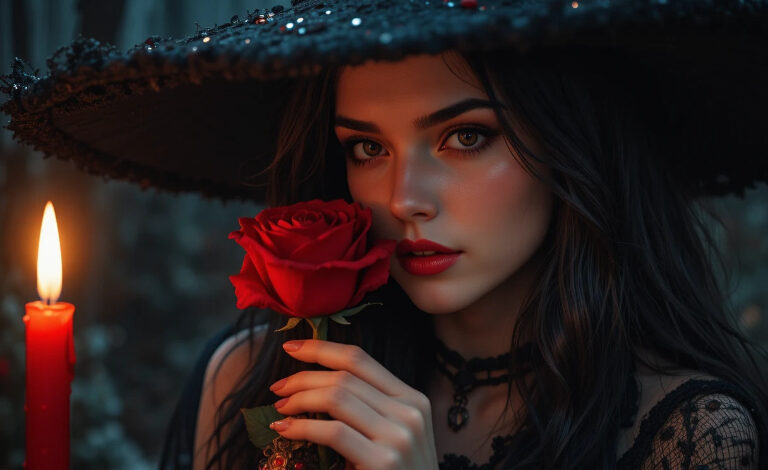
Autumn — The Season of Letting Go

Autumn has a particular kind of beauty that feels almost unfair — the colours that appear just as everything is dying, the low golden light that makes ordinary streets look like paintings, the smell of wood smoke and fallen leaves and something earthy underneath it all. It’s the most visually dramatic of the seasons, and it’s always felt like the most emotionally complex one too. There’s grief in it, and also relief. A kind of gorgeous melancholy. Things are ending, and the ending is beautiful, and both of those things are true at once.
Almost every autumn tradition across cultures comes back to the same themes: harvest, gratitude, and the honoring of what has passed. This was the time when the year’s work came in — when you could finally see what the season had produced, what had grown and what hadn’t, what you’d carry forward into winter and what you’d leave behind. Gratitude at this time of year isn’t a performance. It’s practical. You’re taking stock. What did this year actually give you? What are you genuinely thankful for, not in a general way but specifically — the real things, the unexpected things, the things that arrived sideways?
The thinning of the veil is one of autumn’s oldest ideas. As the natural world begins to withdraw — leaves falling, creatures going to ground, the light fading earlier each day — many traditions taught that the boundary between the living and the dead became more permeable. Halloween, Samhain, Día de los Muertos, the Hungry Ghost Festival — different cultures, same instinct. This is a season for remembering the people who are no longer here. Setting a place at the table for them, lighting a candle in their name, telling stories about them out loud. Grief has always been one of the things the seasons help us hold.
Letting go is the practice autumn asks of you, and it’s harder than it sounds. The trees make it look easy, dropping everything without hesitation, but for people it takes effort. A simple autumn ritual that many find genuinely helpful: write down what you want to release — an old habit, a resentment, a version of yourself you’ve outgrown — and burn the paper, or bury it, or let it go into moving water. Not because burning paper is magic in itself, but because the physical act of releasing something gives your body and your mind a moment they can actually feel. Autumn teaches that endings aren’t failures. Sometimes the most alive thing you can do is let something go.
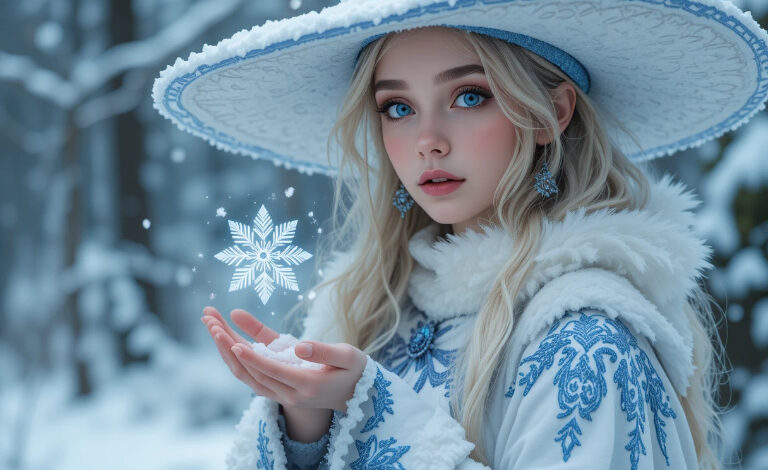
Winter — The Season of Rest and Inner Light

Winter asks something of you that modern life generally doesn’t: it asks you to slow down. To go inward. To be still. The natural world does this without any effort — trees bare, animals hibernating, the earth quiet under frost or snow. But people have largely opted out of that rhythm, keeping the same pace year-round, filling the dark months with noise and activity and artificial light. The exhaustion so many people feel by December isn’t only about the holidays. It’s also about fighting a season that is trying, genuinely, to give you rest.
The oldest winter traditions are about making light in the dark. Yule logs, Diwali lamps, Hanukkah candles, lanterns hung in windows — across cultures and centuries, the response to the longest nights has always been to bring out a flame. Not to deny the darkness, but to sit with it and light something small inside it. There’s enormous comfort in that image, and it doesn’t require any particular belief system to feel it. You are in the dark. Here is a light. That’s the whole story, and it’s enough. A single candle in a dark room at winter solstice is one of the most quietly powerful things you can do.
Winter is also the season of stories. In the days before screens, before electric light, the long dark evenings were for gathering around a fire and talking — telling the old stories, keeping them alive, passing down the things that mattered. That tradition is worth reclaiming. Not in a formal way, necessarily, but in the simple act of sitting with the people you love and talking without distraction. Sharing memories. Asking questions you’ve never asked. Listening the way you listen when you know something is worth keeping. Stories are how we survive winter — and how we remember who we are.
If winter has a gift, it’s the gift of the interior life. This is the season when the outer world quiets enough that you can actually hear yourself think. Dreams are more vivid. Intuition sharpens. There’s more room for the things that get crowded out the rest of the year — reading, reflection, creative work, prayer, or whatever you call the practice of going deep inside yourself and finding out what’s there. Celebrate winter by honoring that. Give yourself actual rest, not just sleep. Let some things be unfinished. Sit in the quiet without trying to fill it. The light will come back — it always does — but right now, the dark has something to offer too.