


There’s a moment every witch knows — you’re mid-conversation with a perfectly nice, perfectly normal person, and you catch yourself about to explain why you had to reschedule because Mercury is in retrograde, or why you can’t throw away that specific candle stub until the spell is fully done. You stop yourself. You smile. You say “never mind.” Because explaining it would take longer than the actual ritual, and honestly? Some things only make sense if you’re already living them.
Being a witch isn’t really a hobby. It’s more like a lens you can’t take off. It changes the way you walk into a room, the way you feel weather before it hits, the way you instinctively look for the phase of the moon before you make a big decision. Non-witches see a candle. You see intention, color correspondence, burn time, and a whole conversation between you and the universe happening in real time. It’s not weird — it’s just a different language, and not everyone speaks it.
The beautiful thing is that when you do find another witch, you don’t have to translate. You can say “I’ve been collecting storm water for months” and they just nod and ask what you’re saving it for. You can mention you’ve been avoiding a certain crossroads because the energy feels off, and they take it completely seriously. There’s a kind of relief in that — being fully understood without having to justify the way you move through the world.
This list is for those moments of recognition. The habits, the rituals, the little quirks that have become so woven into your everyday life that you forget other people don’t do them — until someone gives you that look. If you’ve ever been on the receiving end of that look, this one’s for you. Here are 12 witchy habits that only other witches will truly, deeply understand.
1. Hoarding Jars Like Your Life Depends On It

Walk into any witch’s home and you will find jars. So many jars. Jars on windowsills, jars on shelves, jars tucked into corners of the kitchen and stacked in the back of cupboards. Some are filled with herbs, some with moon water, some with crystals, some with things that are harder to explain to guests. And some — most, honestly — are just empty, waiting. Because you never know when you’re going to need a jar, and the idea of not having one when the moment comes is genuinely stressful.
Non-witches throw jars away. They recycle them, or they use them for pasta and that’s it. But a witch looks at an empty pickle jar and sees a spell container, a potion vessel, a home for a protection charm, or a really good candidate for a moon water soak. The size matters. The shape matters. Sometimes even the brand on the label matters because you’ve been saving it for something specific that you haven’t figured out yet, but you will.
The collection grows quietly and without apology. Your partner might ask why there are seventeen empty glass jars on the bathroom shelf and you’ll say “I’m going to use them” and mean it with your whole heart. Other witches get it immediately. They probably have more jars than you do and they’re not even slightly embarrassed about it.
2. Checking the Moon Phase Before Making Any Big Decision
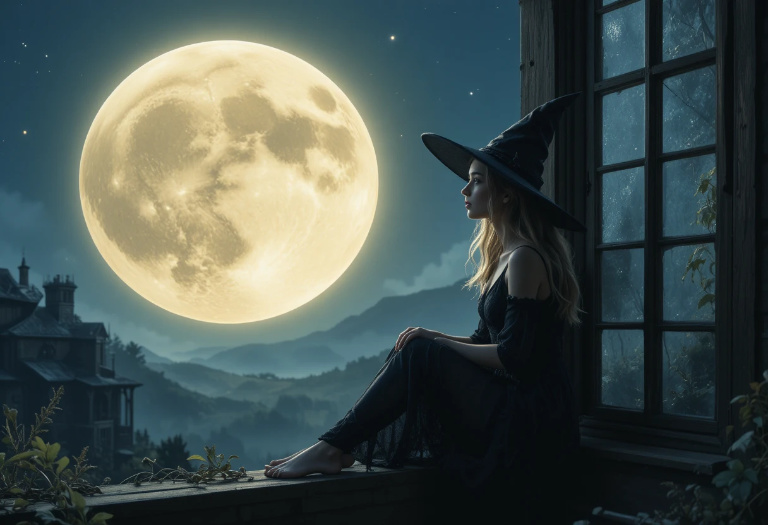
Before the job interview, before the difficult conversation, before booking the flight or sending the message you’ve been sitting on for two weeks — you check the moon. Not in a superstitious, scared way. More like checking the weather before a long drive. It’s just information. Useful, real, completely reliable information that most people have been trained to ignore.
A waxing moon for new beginnings. A full moon for big energy, visibility, things coming to light. A waning moon for letting go, releasing, stepping back. A new moon for planting seeds and setting intentions quietly in the dark. Once you start living by this rhythm it stops feeling like a system and starts feeling like breathing. You can’t really imagine making major moves without at least glancing up at the sky first.
The funniest part is when something goes sideways and your non-witch friend says “what bad timing” and you have to resist saying “well, I could have told you Mercury was retrograde and we were three days past the full moon.” You don’t say it. But you think it. And every witch in your life is thinking it right along with you.
3. Talking to Plants, Water, Candles — and Fully Expecting a Response
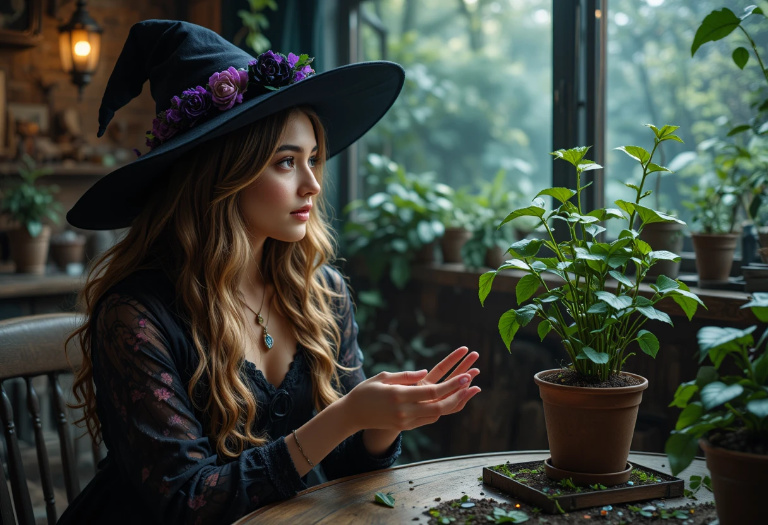
It starts with the plants. You talk to them while you water them, you thank them when you harvest their leaves, you apologize if they’re not doing well and ask what they need. Then it spreads. You find yourself having a quiet word with the candle before you light it, telling it what you need it to do. You whisper something to the river when you cross a bridge. You thank the rain. This is not performance — it’s genuine, two-way communication with the living world around you.
The thing non-witches don’t always get is that this isn’t metaphor. You’re not pretending the plant has feelings to make yourself feel better about the watering schedule. You actually believe — know, even — that there is an intelligence in living things, in elements, in the natural world, and that speaking to it directly is one of the most straightforward things you can do. Intention is everything in magic, and speaking out loud is one of the most powerful ways to direct it.
Other witches find this completely ordinary. In fact, they’ll compare notes. “My rosemary told me it needed more sun” is a sentence that lands without any eyebrow-raising in a room full of witches. You swap tips on which plants are more communicative, which bodies of water feel most receptive, what kind of energy your candles prefer. It’s just shop talk. Totally normal shop talk.
4. Cleansing a Space Before and After Everything
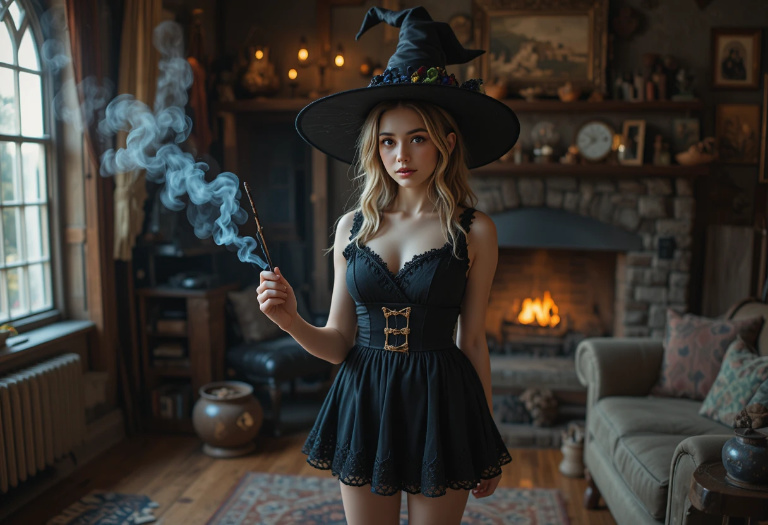
You move into a new place — you cleanse it. Someone visits who leaves a weird feeling behind — you cleanse it. You had an argument in the kitchen — you cleanse it. You come home from a particularly draining day out in the world — you cleanse yourself. The idea of just letting energy accumulate unchecked, layering up in your home like dust in a corner, is not something you can comfortably do.
Your toolkit might look different from another witch’s — smoke, sound, salt, spray, visualization, breath — but the instinct is the same. Energy is real, it sticks to places and people, and you have a responsibility to manage your own environment. This isn’t anxiety dressed up in magic clothes. It’s more like spiritual hygiene. You wouldn’t skip brushing your teeth; you’re not going to skip clearing the room either.
Non-witches sometimes walk in while you’re mid-cleanse and ask what you’re burning, or why you’re ringing that bell in the hallway, and the explanation is always a little long for casual conversation. But another witch walks in, takes one sniff, and says “oh, palo santo, good call” and just gets on with it. No follow-up questions needed.
5. Keeping a Collection of Things You Found Outside
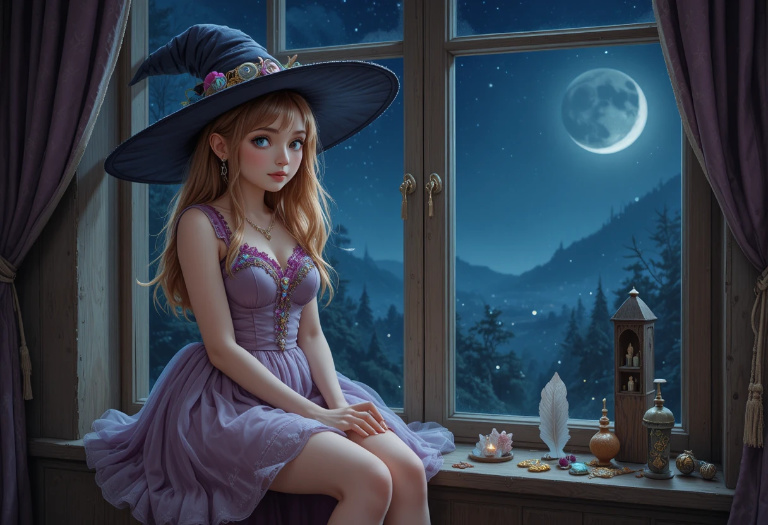
On your windowsill right now there is probably a feather, a stone with an interesting shape, a piece of bark, a seed pod, and at least one thing you picked up on a walk and couldn’t leave behind even though you didn’t know why. Witches are collectors of the natural world. Not in a hoarder way — in a magpie way. In an “the earth offered this to me specifically and it would be rude not to accept” kind of way.
Every found object has potential. That crow feather isn’t decorative — it’s protection, it’s communication, it’s connection to a bird whose wisdom you have a lot of respect for. That smooth river stone has been worn down by water for longer than you’ve been alive; there’s power in that patience. The gnarled little piece of wood you picked up on the trail has its own story and now it’s part of yours. You keep things because they called to you, and that’s reason enough.
Try explaining this collection to someone who doesn’t practice. You’ll watch them look at your shelf of “random stuff from outside” and smile politely and you’ll feel the absolute impossibility of articulating what you’re actually looking at. But bring another witch over and they’re already picking things up carefully, asking where you found them, telling you what they would use them for. Suddenly the shelf makes complete sense.
6. Having Very Strong Opinions About Candle Colors

You need a candle. Not just any candle — a specific candle. Red for passion and action. White for purification and clarity. Black for banishing and protection. Green for abundance and growth. The color selection is not aesthetic, it is functional, and grabbing the wrong one because it was the only one in the drawer feels like sending an email with the wrong subject line. Possible. Just not ideal.
Your candle drawer — because of course there is a candle drawer, and possibly a candle shelf, and definitely some candles in the bathroom — is organized with some internal logic that only makes sense to you. Birthday candles, pillar candles, chime candles, tea lights. Different candles for different kinds of work. You know which ones burn cleanest and which ones drip in ways you need to watch, and you have Opinions with a capital O about the whole business.
Other witches are equally passionate. You can have a twenty-minute conversation about whether birthday candles are appropriate for spell work (jury is out), the ethics of paraffin versus beeswax versus soy, and which color substitutions are acceptable when you’re in a pinch. It is a deeply engaging topic. The rest of the world finds this baffling. You find it completely reasonable and important.
7. Feeling Every Season in Your Bones Before the Calendar Says So

You felt autumn coming in late August. You knew spring was on its way that one February day when something shifted in the air and the birds changed their tune by about ten percent. The seasons aren’t dates on a calendar to you — they’re living things that arrive gradually, announce themselves in layers, and you catch the very first whisper of each one before most people have noticed anything at all.
This is partly because you pay attention in a specific way. You’re attuned to the wheel of the year, to the sabbats, to the way energy ebbs and flows with the earth’s movement. But it’s also something that seems to develop on its own the longer you practice. You become a better receiver. You feel Samhain thinning the veil days before October 31st. You feel Beltane’s warmth building weeks before May. The world talks and you’ve learned to listen.
Non-witches notice the weather. Witches feel the season change in their chest. It’s hard to describe without sounding poetic in a way that doesn’t quite capture how literal it is. But every witch nods along when you mention it, because they know exactly what you mean and they’ve been trying to find the words for it for years too.
8. The Specific Relationship with Storms

Rain is fine. But a storm — a proper, electric, sky-cracking storm — does something to a witch that it doesn’t seem to do to most people. It wakes something up. You find yourself at the window, or better yet, outside on the porch, just standing in it and feeling that charged, electric, ancient energy move through you. You’re not worried about getting wet. You’re too busy noticing how alive everything feels.
Storm water is powerful. The energy that builds before a storm, that pressure in the air, the way animals go quiet — you feel all of it and you feel it early. Lots of witches collect rain water, but storm water is something else. It carries that electric intensity, that sense of things being stripped back and made raw. There’s magic in a storm that doesn’t exist on a calm sunny afternoon, and you feel it in your hands.
Tell a non-witch friend that you stood in the rain on purpose to collect storm water and feel the energy of the lightning and they’ll suggest you come inside and have a cup of tea. Tell a witch the same thing and they’ll ask if you got enough, what you’re planning to use it for, and whether the thunder was close because apparently that matters for the charge. It does. They’re right.
9. Knowing the Herbs in Every Kitchen Like a Second Language
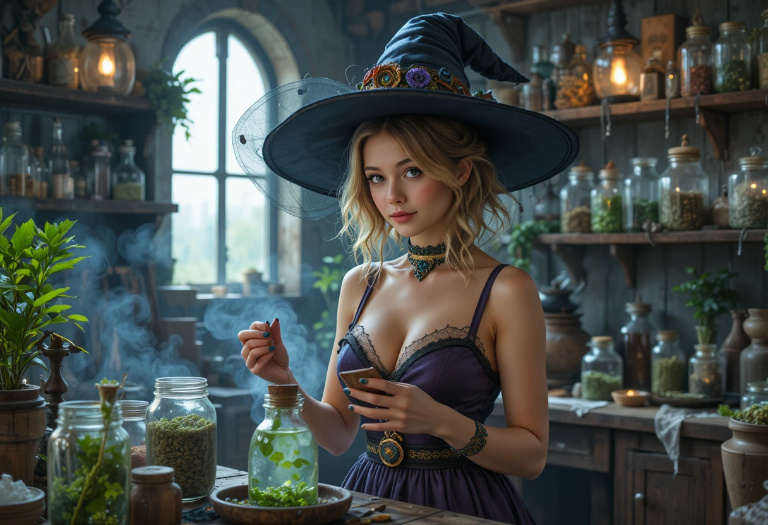
You walk into someone’s kitchen and your eyes go straight to the spice rack. Not because you’re going to cook anything — because you’re reading it. Rosemary: protection and memory. Cinnamon: warmth, speed, luck. Bay leaves: wishes and strength. Cloves: banishing negativity and drawing prosperity. The culinary and the magical overlap so completely in your brain that they’re basically the same category now.
Your own kitchen is probably doing double duty. The lavender on the counter is for cooking and for calm and sleep. The thyme is for roasting vegetables and for courage and psychic awareness. The black pepper is in the pepper grinder and in the little bag of protective herbs you made last month. It all lives together naturally because that’s how herbs work — they have always been both things at once. The separation of cooking and magic is a fairly recent human invention and honestly not one you’ve adopted.
Other witches will pick up a jar of something from your shelf and just know. They’ll say “ooh, what are you doing with this?” the way a friend picks up a book off your nightstand. It’s conversational. It’s normal. It’s the kind of fluency that develops slowly and then one day you realize you’ve memorized the magical properties of forty herbs the same way other people have memorized sports statistics — effortlessly, because it matters to you.
10. Intuition So Strong It Borders on Inconvenient
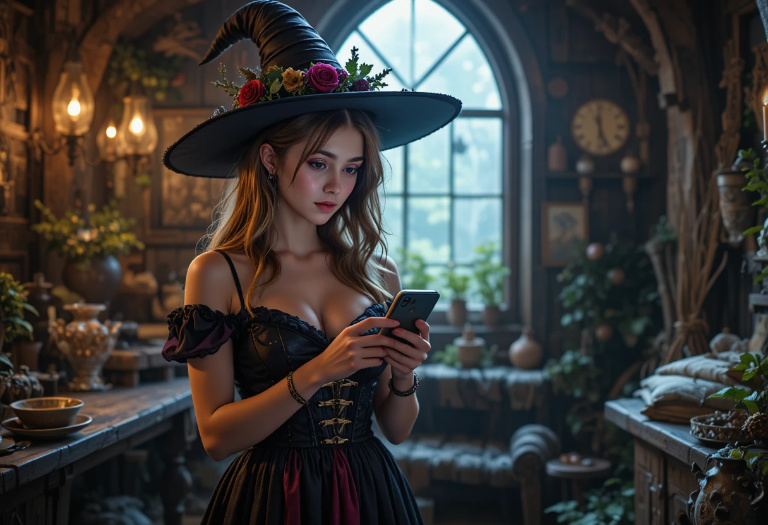
You knew the phone was going to ring two seconds before it did. You knew something was off about that situation three weeks before it fell apart. You’ve had dreams that told you things you had no business knowing, and you’ve walked away from decisions that looked perfect on paper because something in your gut said no so clearly it was almost loud. And you’ve learned, mostly the hard way, to listen.
Developed intuition is a cornerstone of witchcraft. You’ve been practicing tuning in — to energy, to nature, to your own inner voice — and the result is a sensitivity that doesn’t really switch off. You pick up on things in rooms, in people, in situations, before your logical brain has caught up. This is incredibly useful. It can also make everyday life a little intense because you’re essentially receiving information on a frequency most people have turned down to zero.
The hard part is navigating this in a world that rewards logic over gut feeling. You’ve learned to trust yourself, but you’ve also learned to be selective about when you share what you’re picking up. Other witches are the ones you can say “I just have a feeling about this” to and be taken completely seriously. They might even ask follow-up questions. What kind of feeling? Where did you feel it? Has it shifted since yesterday? Real questions, with no skepticism attached.
11. The Altar That Keeps Evolving
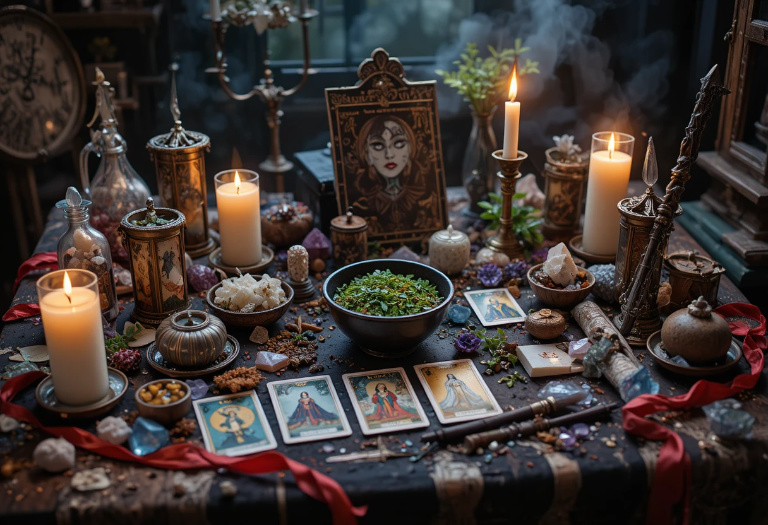
Every witch has a space — a shelf, a corner, a windowsill, a whole dedicated table if you’re lucky — that is in a constant state of becoming. The altar is never really finished. You add something because the season called for it, remove something because its energy felt complete, rearrange things because the full moon brought a different intention, and start fresh every few weeks or months because you are not the same person you were when you set it up and neither is the altar.
It’s a living thing, the altar. It reflects what you’re working on, what you’re letting go of, what you’re calling in. Visitors who don’t know what they’re looking at see an interesting collection of objects arranged nicely on a surface. But every item on there has a reason. The placement has meaning. The colors are intentional. The objects in the center are the ones with the most current energy, and the ones pushed to the back are waiting their turn or winding down.
Other witches do not need a tour. They look at your altar and start reading it the way someone reads a face — naturally, instinctively, picking up information without being told. They’ll notice what you’ve added, ask about something new, comment on what’s moved. It’s one of the most intimate things about witch culture, actually — the altar says everything about where you are right now, and another witch knows how to listen.
12. Living in Two Worlds Simultaneously
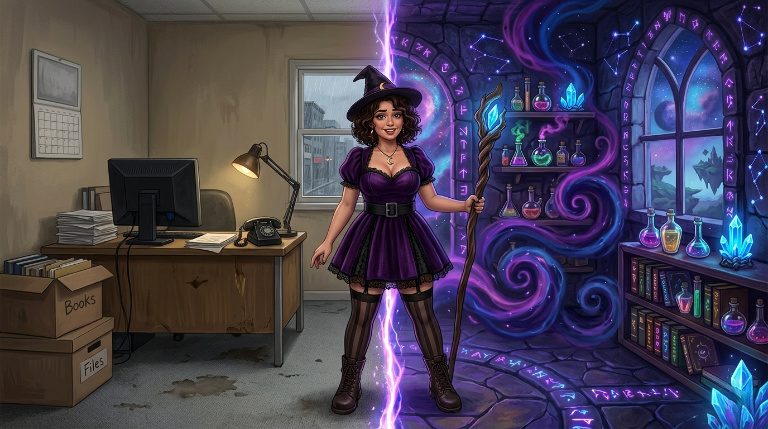
This is the one that’s hardest to explain and easiest for other witches to recognize. You live your ordinary life — work, groceries, traffic, small talk, emails, all of it — and underneath it, woven through it, running parallel to it, there is another layer of experience happening constantly. You’re in the meeting and you’re aware of the energy in the room. You’re making dinner and you’re thinking about what herbs are going in and what they’ll do. You’re walking down the street and you’re reading the signs, the animals, the way the wind is moving.
This isn’t dissociation or distraction. It’s more like stereo sound — two channels playing at once, and you’ve gotten good enough at listening to both that you don’t have to choose. The magical and the mundane aren’t separate countries you travel between. They’re the same place, seen with two different kinds of eyes that you’ve learned to use simultaneously. That’s what practice actually builds over time — not just skill, but perception.
Non-witches live in one world and it works fine for them. But you’ve seen behind the curtain now and you can’t unsee it, and you wouldn’t want to. Every witch you meet is living in that same layered reality, and there’s something quietly wonderful about making eye contact across a room with someone and just knowing — they see it too. The two-world life is the witchiest habit of all, and it’s also the most beautiful one.