
Have you ever had one of those nights where sleep just wouldn’t come, your mind was racing, and you felt strangely wired for no obvious reason — only to look up and see a big, bright full moon hanging in the sky? You’re not imagining things. People have been noticing this connection for thousands of years, across every culture on the planet. Ancient healers, midwives, farmers, and mystics all paid close attention to the moon’s cycles, and they built entire systems of living around them. There’s a reason the word “lunatic” shares a root with “lunar.”
The thing is, your body is mostly water. About 60% of it, give or take. And if the moon is powerful enough to pull the ocean’s tides back and forth across the earth, it’s not a stretch to think it might be doing something to the water inside you too. Full moon energy is real, it’s felt, and millions of people around the world experience very specific physical and emotional shifts right around the time the moon reaches its peak. This isn’t just folklore anymore — science is starting to catch up with what our ancestors already knew.
Every 29.5 days, the moon completes its cycle and reaches full illumination. That’s when its gravitational pull is at its strongest, its light is at its brightest, and its energetic influence on everything alive on Earth — including you — is at its most intense. During this time, a lot of people report trouble sleeping, heightened emotions, weird dreams, tension headaches, an unusual surge of energy, or even digestive changes. Some feel electric and inspired. Others feel completely wrung out. Both responses are completely normal, and both are telling you something important about what’s happening inside your body.
What makes the full moon so fascinating is that it doesn’t affect everyone the same way. Your sensitivity to full moon energy depends on things like your stress levels, your sleep habits, your hormonal cycle if you have one, and even your own spiritual or energetic awareness. Some people barely notice it. Others feel like a completely different person for two or three days around the full moon. Either way, understanding what’s actually going on in your body during this time can help you work with the energy instead of being knocked sideways by it. So let’s get into it.
Full Moon Energy and Your Sleep
One of the most commonly reported effects of the full moon is disrupted sleep, and this one actually has some solid research behind it. A study published in the journal Current Biology found that people took longer to fall asleep, slept for shorter periods, and had less deep sleep around the time of the full moon — even when they couldn’t see the moon from where they were sleeping. Melatonin levels, the hormone that tells your body it’s time to rest, were also measurably lower during this phase.
The leading theory is that humans evolved under natural moonlight, and our bodies still respond to the full moon’s brightness as a signal to stay alert. For our ancestors, a brightly lit night meant more visibility — and more opportunity to hunt, gather, or simply stay up later around the fire. Your nervous system might still be carrying that ancient instruction. So if you’re lying awake at 2am feeling inexplicably alert during a full moon, your body isn’t broken. It’s just very, very old.
What helps: keeping your bedroom darker than usual around the full moon, avoiding screens late at night, and giving yourself permission to wind down earlier. Some people find that the nights leading up to the full moon are even more disruptive than the night itself, so it’s worth paying attention to your own patterns over a couple of cycles.
What the Full Moon Does to Your Emotions and Nervous System
Full moon energy is notorious for turning up the volume on emotions. Things that you’ve been pushing down or quietly managing tend to bubble up around this time. You might feel more sensitive, more reactive, more tearful, or more fired up than usual. Relationships can feel more intense. Small things can feel like big things. This is not a coincidence.
The full moon affects the body’s fluid balance, and that includes the fluid surrounding your brain and spinal cord. When energetic and gravitational forces shift, they can influence your nervous system in subtle but real ways. This is why a lot of healers and energy workers describe the full moon as a time of amplification — whatever is already present in you gets louder. If you’ve been stressed, that stress becomes harder to ignore. If you’ve been feeling creative and alive, that energy can feel almost electric.
Emotionally, this is actually a gift, even when it doesn’t feel like one. The full moon has long been seen as a time of release — a natural clearing point in the monthly cycle. What comes up during this time is usually what’s ready to go. Instead of fighting the emotional surge, working with it — journaling, talking to someone you trust, spending time in nature — can help your nervous system move through it instead of getting stuck in it.
Full Moon Energy and Your Physical Body
Beyond sleep and emotions, many people notice very specific physical shifts during the full moon. Tension headaches are common, particularly around the temples or the back of the skull. Some people experience increased sensitivity to food, bloating, or digestive changes. Others notice a surge in physical energy — a restlessness in the body that wants to move, stretch, or be active later into the evening than usual.
There’s also a long-standing belief among healers and even some surgeons that bleeding is slightly increased around the full moon. Historically, some traditional cultures would avoid surgery or major physical procedures during this time. While modern medicine doesn’t formally schedule around the lunar cycle, anecdotal reports from healthcare workers about busier emergency rooms and more unpredictable patient behavior during full moons have been around for decades.
Women who menstruate often notice a strong connection between their cycle and the moon’s cycle. When a menstrual cycle syncs up with the full moon — known traditionally as a “red moon cycle” — it’s often associated with heightened creativity, strong intuition, and a powerful outward energy. The body and the moon have always been in conversation. Paying attention to your own physical patterns around the full moon can reveal a lot about where you are in your own cycles of energy, rest, and renewal.
How to Work With Full Moon Energy Instead of Against It
The biggest shift you can make is moving from resistance to awareness. Most people feel the full moon effects without realizing what’s happening, so they just feel off, overwhelmed, or wired without any context. Simply knowing that you’re in a high-energy, high-sensitivity window changes how you respond to it.
During the full moon, your body benefits from slowing down even when your mind wants to speed up. Gentle movement — walking, stretching, swimming, yoga — tends to feel much better than intense, grinding workouts, which can spike cortisol when your system is already running hot. Hydration matters more than usual too, since your body’s fluid dynamics are in flux. Drink more water. Eat lighter foods. Give your digestion a break if it’s asking for one.
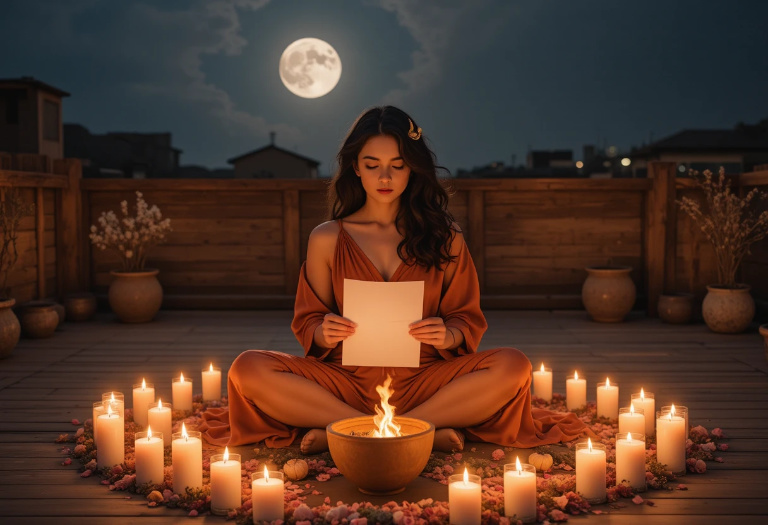
Full moon energy is also a powerful time for anything that involves letting go. This is why so many spiritual traditions around the world have associated the full moon with release rituals, clearing ceremonies, and intention-setting. You don’t have to be deeply spiritual to benefit from this — even something as simple as writing down what you want to release and burning or burying the paper can signal to your nervous system that something is being completed. The symbolic act of release is genuinely powerful, and your body responds to it.
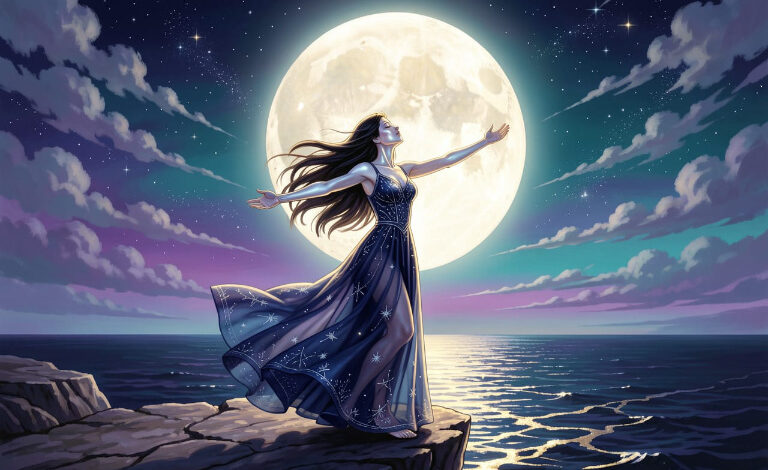
Finally, get outside. Moonlight itself has been associated with calming the nervous system, and simply standing barefoot on the earth under a full moon — grounding, breathing, being present — can help your body regulate some of the heightened energy it’s carrying. The moon has been medicine for as long as humans have looked up at the sky. Let it work.