


1. The Nile
Dates: January 1–7, June 19–28, September 1–7, November 18–26
The sign that feels everything all at once

People born under The Nile are ruled by the great river itself — the source of all life in Egypt, the thing that gives and gives until it floods and washes everything away. When heartbreak comes for a Nile sign, it comes like a flood. There’s no slow trickle of sadness. One morning they wake up and the grief is everywhere, soaking through every room, every song, every quiet Tuesday afternoon. They don’t ease into the pain — they are submerged in it almost immediately.
What makes this hit so hard is that Nile signs love with their whole current. They don’t hold back a drop of themselves in a relationship. They pour into their person the way the river pours into the land — constantly, generously, without asking if the soil even wants it. So when the relationship ends, they’re not just losing a partner. They’re losing the version of themselves that existed in that love. That’s a grief that runs soul-deep, and no amount of distraction makes it shorter.
The healing for a Nile sign is slow and seasonal. Just like the real river, they go through a flooding phase, a receding phase, and eventually — a fertile phase, where everything that washed away has left behind rich, dark soil. They’ll find themselves writing things they never wrote before, feeling things they didn’t know lived inside them. The heartbreak becomes a kind of nourishment, even if it doesn’t feel that way for a long, long time.
But the Nile always returns to itself. That’s the secret this sign carries — they cannot be permanently emptied. No matter how much they gave, no matter how brutally they were drained, there is always more water coming from somewhere sacred. The person who broke a Nile sign’s heart will eventually watch from the banks as that river rises again, fuller than before, moving in a direction they’ll never be part of.
2. Amon-Ra
Dates: January 8–21, February 1–11
The sign that turns pain into power

Amon-Ra is the king of all gods — the hidden sun, the force behind everything that breathes and burns. People born under this sign don’t do anything quietly, including heartbreak. On the outside, they might look composed. They might even look fine. They go to work, they crack jokes, they show up to the party. But underneath that golden exterior, something is burning. Amon-Ra signs process grief through a furnace, not a river, and the heat is intense.
The pride of this sign makes heartbreak particularly complicated. Amon-Ra people tend to be the ones who loved the most, gave the most, and held things together the longest — which means when it finally falls apart, there’s a layer of humiliation sitting right on top of the grief. They don’t just feel sad. They feel foolish. And feeling foolish is one of the worst things you can do to an Amon-Ra sign because their dignity is everything to them. They’ll replay conversations, looking for the moment they missed, the sign they ignored.
Here’s where the Egyptian zodiac heartbreak wisdom gets interesting for this sign — that replaying is actually part of their magic. Amon-Ra signs are processing. They are studying the collapse the way a general studies a lost battle — not to wallow, but to never lose the same way again. Give them their analysis phase. Don’t try to rush them past it. They need to understand what happened before they can release it, and when they do release it, they do it with a kind of authority that few other signs can match.
The comeback of an Amon-Ra sign after heartbreak is genuinely something to witness. They redirect everything — the longing, the fury, the wounded pride — into becoming a more elevated version of themselves. They might change careers, move cities, build something extraordinary. They don’t just heal. They ascend. And somewhere in the back of their mind, they know the person who left them will eventually look up and see exactly what they walked away from glowing in the sky.
3. Mut
Dates: January 22–31, September 8–22
The sign that carries everyone else’s broken heart too

Mut is the mother goddess — the protector, the nurturer, the one who holds the world together with quiet, invisible strength. People born under Mut are the ones everyone else calls when their own hearts break. Which creates a painful irony: when a Mut sign’s heart breaks, they often don’t know who to call. They’ve spent so long being the strong one that asking for help feels almost foreign, like a language they understand but have never spoken aloud.
The grief of a Mut sign is tender and deep and often completely hidden. They will sit with you for hours after your breakup, make you tea, say all the right things — and then go home and cry alone because they don’t want to burden anyone with their own pain. They’re the type to text “I’m fine, don’t worry about me” at 2am while they’re absolutely not fine. Their instinct to protect others from their sadness is so strong that they sometimes protect themselves right out of the healing they need.
Heartbreak for a Mut sign also tends to carry guilt. They wonder if they gave enough, if they were too much, if they somehow failed at the one thing they were built to do — love well. This guilt is almost always unfair and almost always wrong, but it clings to them. They need someone to sit with them the way they sit with others — patient, present, not trying to fix it, just being there. This is rare for them to receive, which is why finding even one person who can do that for them is genuinely transformative.
The healing journey of a Mut sign involves learning the radical act of receiving. Of letting someone else pour into them for a change. When they finally allow that — when they stop managing their grief and actually feel it in the company of someone safe — they heal in ways that surprise even themselves. They discover that vulnerability isn’t weakness. It’s actually the most powerful thing they have. And after all that, they love even better than before, which most people would say didn’t seem possible.
4. Geb
Dates: February 12–29, August 20–31
The sign that goes completely still

Geb is the earth god — the solid ground beneath your feet, the one who holds everything up without moving. When heartbreak comes for a Geb sign, they don’t explode. They don’t flood. They go still. There’s a quality to their grief that looks almost like nothing from the outside — they get quieter, they spend more time at home, they seem slightly farther away even when they’re standing right next to you. But underneath that stillness, tectonic plates are shifting.
Geb signs need stability more than almost any other sign in the Egyptian zodiac. They build their lives carefully — roots, routines, people they trust, places that feel like home. A relationship is woven into all of that. So when it ends, it’s not just one thread that gets pulled. It’s like a foundation crack. Everything above it wobbles. They might sit in the same chair for an entire weekend just trying to locate the solid ground inside themselves again, which doesn’t come easy when someone they loved has taken a piece of it with them.
What Geb signs are quietly doing during all that stillness is rebuilding from the inside out. They’re not avoiding the pain — they’re metabolizing it slowly, the way the earth breaks down dead things into soil. They don’t trust fast healing. A Geb sign who seems to get over heartbreak in two weeks probably hasn’t processed it at all and will find it again later, buried under other things like a fossil. Real healing for them is slow, underground, invisible until suddenly — it isn’t.
When a Geb sign finally comes back to life after heartbreak, there’s a groundedness to them that is hard to describe. They’ve been somewhere deep and come back from it. They’re more themselves, somehow — less willing to shake for anyone, more solid in what they want, more certain about what they will and won’t accept in love. The earth doesn’t apologize for what it is. After heartbreak, neither does a Geb sign.
5. Osiris
Dates: March 1–10, November 27 – December 18
The sign that transforms through the darkest dark

Osiris is the god of death and rebirth — the one who died, descended into the underworld, and came back as something changed and sacred. People born under Osiris carry this mythic cycle in their bones, and nowhere does it play out more vividly than in heartbreak. When an Osiris sign loses love, they don’t just feel sad. They feel like something in them has died. And they’re not wrong — something has. That’s the terrifying and ultimately magnificent truth of this sign.
The descent for an Osiris sign is real and it can be dark. They go inward in a way that worries the people around them. They might disappear from social plans, from conversations, from the version of themselves that everyone is used to. They need the underworld experience — not because they’re dramatic, but because genuine transformation requires going somewhere most people aren’t willing to go. You can’t come back changed if you never went anywhere. The Egyptian zodiac heartbreak path for Osiris signs doesn’t offer shortcuts, and they somehow know this.
The reassembling is what’s extraordinary. Osiris in the myth was literally put back together, piece by piece, by those who loved him. Osiris signs often need the same thing — they need their people to keep showing up, keep checking in, keep leaving little pieces of light in their direction. They’re not hopeless during this time. They’re just mid-transformation. If you love an Osiris sign, don’t abandon them in their underworld phase. Keep the thread of connection visible so they can follow it back up.
What comes out on the other side is a person with a depth that genuinely cannot be manufactured. Osiris signs who’ve loved and lost carry a wisdom that other people can feel when they walk into a room. They know something about love that the unbroken don’t. They’ve been dismantled and put back together and they know exactly which pieces matter and which ones never did. Heartbreak is not the end of their story. It is, weirdly, the beginning of the most interesting version of it.
6. Isis
Dates: March 11–31, October 18–29, December 19–31
The sign that loves even through the loss

Isis is perhaps the most powerful goddess in the entire Egyptian pantheon — a master of magic, wisdom, and a love so fierce it defied death itself. People born under Isis love the same way. Completely. Devotedly. With a magic that makes relationships feel sacred. Which is why heartbreak for an Isis sign isn’t just painful. It feels like a desecration of something holy. They didn’t just love a person. They built an altar to that love, and now it’s in ruins.
The initial phase of heartbreak for an Isis sign can be all-consuming. They are feelers of the highest order and they don’t suppress emotions — they live inside them. You might find an Isis sign listening to the same sad song for six hours straight, or writing letters they’ll never send, or dreaming vividly about the person for weeks after the relationship ends. This isn’t unhealthy obsession. This is how they process. They have to feel every layer of it, the way you have to unfold every piece of something crumpled before you can smooth it flat.
What sets the Isis sign apart in the Egyptian zodiac heartbreak landscape is their capacity for forgiveness — not as a weakness, but as a conscious act of power. They can hold anger and love for the same person at the same time without being torn apart by the contradiction. They understand, almost spiritually, that loving someone and letting them go are not opposites. This is profound magic. It doesn’t mean they take people back who hurt them. It means they refuse to let bitterness live where love once did.
The healing of an Isis sign is tied to purpose. They need to feel like the pain meant something — that it taught them something, or opened them to something, or cleared the way for something more aligned. When they find that meaning, even just a thread of it, they begin to rise. And an Isis sign rising after heartbreak is an extraordinary thing — more intuitive, more magnetic, more powerfully themselves. They carry the wound like a scar, not a wound. And scars, as any healer knows, are proof that the body did its work.
7. Thoth
Dates: April 1–19, November 8–17
The sign that thinks their way through the pain

Thoth is the god of wisdom, writing, and the keeper of all divine knowledge. People born under this sign live primarily in their minds, and heartbreak is no exception. When an Thoth sign loses love, their first instinct is not to cry — it’s to understand. They want to know what happened, why it happened, whether it could have been prevented, and what the logical next steps forward look like. The emotional wave is real, but Thoth signs tend to process grief from the top down, starting with the thinking and hoping the feeling will eventually follow.
This approach is both a gift and a trap. The gift is that Thoth signs tend to gain genuine clarity from heartbreak faster than most. They can articulate exactly what went wrong, what they need differently, and what patterns they want to break. They might fill journals, talk for hours to a trusted friend, or read everything they can find about relationships and healing. The information-gathering is a genuine part of how they cope, and it’s not avoidance — it’s just how their version of healing is built.
The trap is that all that thinking can become a way of circling the actual grief without landing in it. Thoth signs can be so busy analyzing the wreckage that they never actually sit in the sadness. And the sadness will wait. It’s patient. At some point — usually in a quiet moment when the mind finally goes still — it arrives, and for a sign that is so accustomed to being in control of their inner world, this can feel like ambush. The Egyptian zodiac heartbreak lesson for Thoth is simple but not easy: you cannot think your way out of every feeling.
When Thoth signs integrate both the thinking and the feeling, they become genuinely extraordinary. They have insight that few other signs develop, a self-awareness that is almost uncomfortable in its precision. They know their patterns, they know their wounds, they know their worth — and they bring all of that into the next love with a clarity that makes everything feel more intentional and more real. Heartbreak, for Thoth, is ultimately research. And they never stop learning.
8. Horus
Dates: April 20 – May 7, August 12–19
The sign that fights back against the grief

Horus is the falcon god — the sky, the warrior, the one who fought Set and claimed the throne. People born under Horus don’t lie down easily, and heartbreak is no exception. Their first response to loss is often not grief but anger — clean, sharp, purposeful anger that gives them something to push against. This isn’t a problem. This is how Horus signs stay alive during the worst of it. The fighting energy keeps them moving when sadness would rather keep them still.
There’s a pride to the Horus sign’s heartbreak that has its own particular ache to it. They see love as a kind of sacred battle — you fight for each other, you protect each other, you hold the line. When a relationship ends, there’s often a feeling that they lost a battle they should have won. This sits hard in their chest. They don’t take defeat lightly under any circumstances, and losing in love hits their identity in a particular way because for a Horus sign, love is not casual. It is a commitment of their whole warrior spirit.
The healing phase for Horus signs often looks active rather than reflective. They channel grief into the gym, into work, into building something with their hands. They might train harder, achieve more, prove something to themselves or to the world. This is legitimate healing — don’t let anyone tell a Horus sign that they need to slow down and feel more. Sometimes moving forward is what forward looks like. The Egyptian zodiac heartbreak path for this sign is paved with action, and that is completely valid.
What Horus signs discover on the other side of heartbreak is a more refined kind of strength — not just the muscles of fighting but the wisdom of knowing which battles are worth fighting. They become more discerning in love, more willing to see warning signs early, quicker to protect their own sky before they try to protect anyone else’s. They claim themselves back. That’s the victory the heartbreak was actually leading them toward all along.
9. Anubis
Dates: May 8–27, June 29 – July 13
The sign that guards their grief like a sacred thing
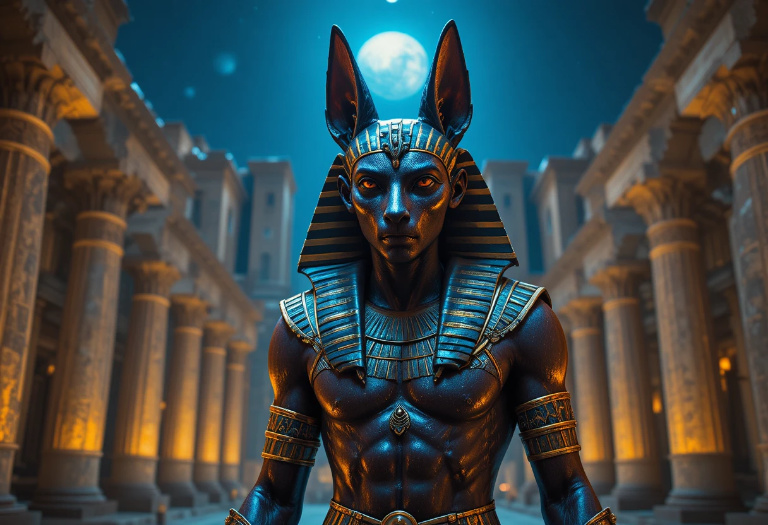
Anubis is the guardian of the dead — the one who weighs the heart, who guides souls through the darkness, who takes the passage between worlds completely seriously. People born under Anubis have an unusual relationship with endings. They feel them more deeply than most, because on some level they understand that every ending is a small death — and small deaths deserve ceremony. When an Anubis sign goes through heartbreak, they are not dramatic about it. They are reverent about it.
This sign tends to be private in love and even more private in loss. They don’t broadcast their heartbreak. They don’t post about it, they don’t perform their grief for an audience. They take it somewhere interior, somewhere dark and quiet, and they sit with it like a sacred responsibility. The upside of this is that they protect their healing from outside noise. The downside is that they can become very alone in it, and aloneness for an Anubis sign during heartbreak can spiral into something heavier than it needs to be.
Anubis signs are deeply loyal — they love in a way that is almost otherworldly in its fidelity. So the grief after a breakup is sometimes less about missing the person and more about mourning the version of themselves that existed inside that commitment. They took a vow — maybe not literally, but spiritually — and when it breaks, something about their inner integrity feels shaken. Rebuilding trust in love means rebuilding trust in the cosmos for this sign. That takes time. Real time.
The wisdom that an Anubis sign carries out of heartbreak is the wisdom of someone who has genuinely weighed what matters and what doesn’t. They become more discerning without becoming colder. They become more careful without becoming closed. There’s a quiet dignity to an Anubis sign who has loved and lost — they carry it like a torch, not a wound. And when they love again, it is with the full knowledge of what they’re risking, and they choose it anyway. That is courage of the deepest kind.
10. Seth
Dates: May 28 – June 18, September 28 – October 2
The sign that burns it all down first

Seth is the god of storms, chaos, and raw untamed power. He is not gentle and he does not pretend to be. People born under Seth are some of the most passionate and intense lovers in the Egyptian zodiac, which means their heartbreak is proportionally explosive. When a Seth sign’s heart breaks, you know about it. There is fire. There is noise. There are things said in the heat of the moment that probably didn’t need to be said. And none of it is calculated — it’s all honest, all immediate, all burning.
The storm phase doesn’t last as long as people think, though it burns hot while it’s there. Seth signs process through confrontation rather than avoidance. They need to say the thing, feel the thing, throw the thing metaphorically into the fire. This makes them seem unstable to outsiders but it’s actually a form of rapid processing. They’re not storing this grief for later. They’re not burying it. They’re combusting it in real time, which — honestly — is more efficient than years of quiet suppression, even if it’s harder to watch.
What people often miss about Seth signs is what lives under the storm: a genuine, almost painful sensitivity. They love with their whole chaotic soul, and they feel the loss of love in every nerve. The anger is protective. It’s the armor over the wound. If you can see past the fire of a Seth sign after heartbreak and reach the person underneath it — the one who’s actually just devastated — you’ll find something unexpectedly tender there, something that trusted you enough to let you all the way in, and is now paying the full price of that vulnerability.
After the storm clears — and it does clear — Seth signs emerge with a ferocity of purpose that is genuinely impressive. They don’t wallow. They rebuild, loudly, boldly, on their own terms. The heartbreak becomes fuel, not a memory they’re trapped in. They will absolutely move forward, they will absolutely be fine, and they will absolutely make sure their next chapter is more themselves than the last one ever was. If heartbreak is a storm, Seth signs are the ones who dance in it and then build something new in the aftermath.
11. Bastet
Dates: July 14–28, September 23–27, October 3–17
The sign that retreats to heal and returns transformed

Bastet is the cat goddess — playful, warm, sensual, and deeply self-possessed. She is beloved and loving but she is never desperate. People born under Bastet carry that same energy in love — they’re magnetic, affectionate, wonderful partners — but they maintain a thread of themselves that they never fully surrender. This doesn’t protect them from heartbreak, but it does shape how they move through it in a way that is uniquely Bastet.
When a Bastet sign’s heart breaks, their first move is retreat. Not drama, not confrontation — just a quiet withdrawal to somewhere safe. They lick their wounds in private, as cats are known to do. They might rearrange their space, cut their hair, start a new creative project, or spend a long weekend with their closest people doing very little and talking very slowly. There’s an instinct in them to restore the comfort and pleasure of their own life before anything else, because a Bastet sign knows that healing happens in softness, not in punishment.
What makes the Bastet sign’s heartbreak experience distinct in the Egyptian zodiac is their refusal — conscious or not — to lose themselves in the grief. They will cry. They will miss the person. They will have a whole complicated emotional journey. But they won’t stop eating well, won’t stop enjoying beautiful things, won’t let the sadness take over every corner of their life. This isn’t shallow. It’s a form of self-preservation that is quietly intelligent. They understand that joy is not something you earn after healing — it’s part of how you heal.
The Bastet sign comes back from heartbreak softer in the right places and sharper in the others. They know more clearly what delights them and what drains them. They have less patience for love that doesn’t feel good in the body, in the day-to-day, in the quiet moments. They want warmth that’s real, not warmth that’s performed. And they trust their instincts more than ever — because Bastet signs who’ve been through heartbreak have learned, in the most personal way possible, that their gut was usually right all along.
12. Sekhmet
Dates: July 29 – August 11, October 30 – November 7
The sign that becomes something fiercer on the other side

Sekhmet is the lioness goddess — the warrior of the sun, the one who was sent to destroy what needed destroying and who, once she began, could barely be stopped. People born under Sekhmet are powerful in love and catastrophic in heartbreak, not because they fall apart but because they don’t. They absorb the blow, they go still for a moment, and then something ancient and fierce wakes up inside them. Heartbreak does not break a Sekhmet sign. It activates them.
The first stage of Sekhmet heartbreak is a kind of controlled fury. They don’t cry easily — or rather, the tears come later, privately, once they’ve processed the blow through the fire first. They might throw themselves into work with alarming intensity, or start training for something physical, or simply radiate an energy that makes people around them take a small, instinctive step back. This is Sekhmet doing what Sekhmet does: converting pain into force. It’s not performance. It is genuinely how they metabolize loss.
What happens after the fury is softer and more surprising. Sekhmet signs have a depth of emotion that the warrior exterior conceals almost completely. Under all that fire is someone who loved with their whole chest, who gave something rare and real, and who is now quietly grieving not just the person but the life they imagined. The lioness has a heart. It’s just protected by something most people never get through. Heartbreak, paradoxically, is one of the few things that gets underneath the armor — and in that vulnerability, the most honest version of the Sekhmet sign lives.
The transformation that comes from heartbreak for this sign is legendary-level. Sekhmet signs don’t emerge from loss looking wounded. They emerge looking different — more focused, more certain, more terrifyingly clear on what they want and what they will never accept again. Love that was taken from them becomes the standard for what they’ll now demand. They don’t lower the bar after loss. They raise it. And they walk forward with the particular confidence of someone who has faced the worst of their feelings and found that they were bigger than all of it.
The Heart Knows How to Find Its Way Back
Heartbreak is one of those experiences that doesn’t care who you are or how prepared you think you are — it arrives and it rearranges you. But the ancient Egyptians knew something we sometimes forget: the heart was the most sacred organ in the universe. It was the thing Anubis weighed on his golden scales. It was the seat of the soul, the home of the divine. Which means a broken heart is not a ruined heart. It is a heart that was brave enough to love, and that kind of bravery never goes to waste.
Whether you flood like the Nile or burn like Sekhmet, whether you go underground like Geb or take flight like Horus, your Egyptian zodiac sign tells you something true and useful about how you move through loss. Not to box you in, but to help you recognize yourself in the dark — because sometimes the most disorienting thing about heartbreak is not knowing if the way you’re feeling it is normal. It is. It’s just your normal. And there’s a whole ancient mythology that’s been holding space for it.
The gods don’t expect perfect healing. They expect honest healing. They expect you to take your particular kind of pain and walk with it until it becomes something else — wisdom, art, depth, love again. Every sign in this zodiac has come out the other side of loss carrying something they didn’t have before. The heart always finds its way back. Under the Egyptian stars, it always has.