
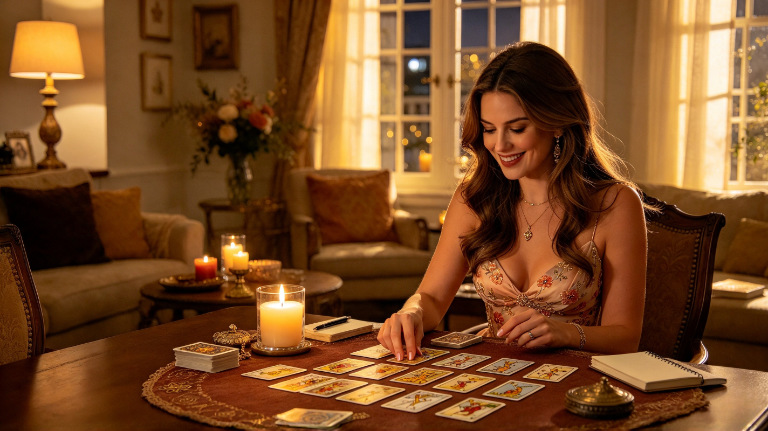
Tarot can look complicated when you first see a deck filled with strange symbols, mysterious figures, and cards that seem to have completely different meanings. But you don’t need to know every card by heart or become an expert before you start reading. Your first tarot reading can be simple, personal, and surprisingly magical.
A tarot deck is a tool for connecting with your intuition and looking at situations from a different angle. Each card carries its own energy, symbols, and story, and the more you work with your deck, the more naturally those meanings begin to speak to you.
If you’ve just bought your first deck and aren’t sure what to do next, don’t worry. You can start with just one card, a simple question, and a quiet moment. Here’s how to begin your tarot journey without making it more complicated than it needs to be.
Choosing Your First Tarot Deck
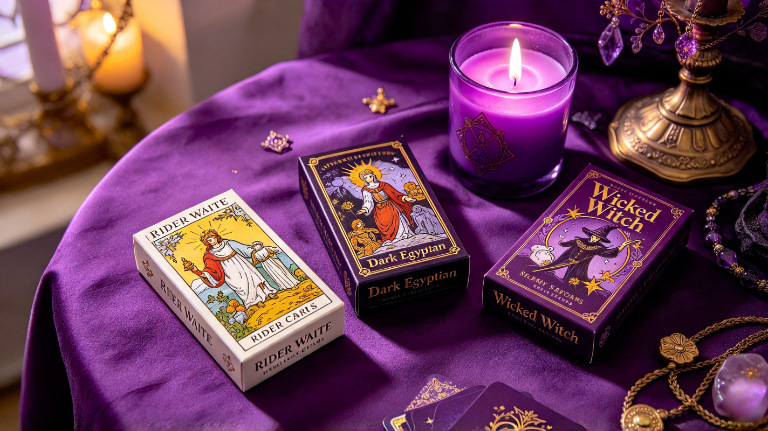
There are many different tarot decks available, from traditional designs to colourful modern versions. For beginners, a deck based on the Rider-Waite-Smith tarot system can be helpful because many beginner guides use these cards as their foundation.
But the most important thing is that you actually like your deck.
Look through different designs and notice which one catches your attention. You might be drawn to a particular artwork, colour scheme, or magical theme. If a deck feels right in your hands, that’s a good place to start.
You don’t need the most expensive deck either. A simple beginner tarot deck can be just as useful as a fancy collector’s edition.
Getting to Know Your Tarot Cards
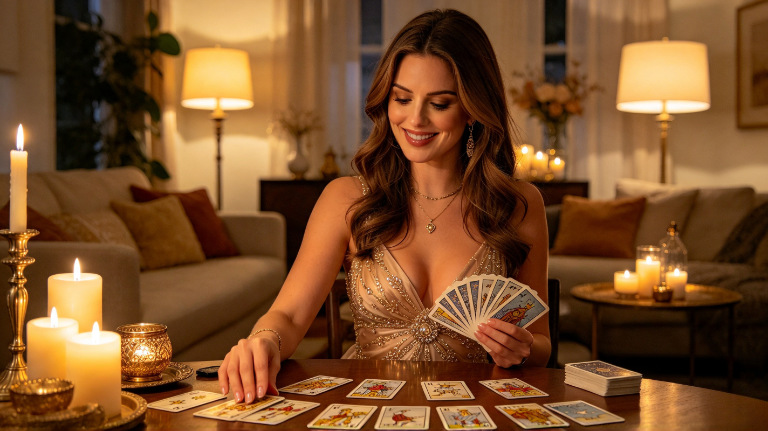
Before rushing into a reading, spend a little time with your deck.
Shuffle the cards and look through them one at a time. Pay attention to the pictures. What catches your eye? Does a particular character, animal, object, or colour stand out?
You can also keep your deck beside your bed or carry it with you for a while. This gives you a chance to become familiar with its energy.
Don’t worry about memorising all 78 tarot card meanings. That’s one of the easiest ways to make tarot feel like homework.
Instead, keep a tarot guidebook nearby and gradually learn the cards as you use them.
Understanding the Major and Minor Arcana

A tarot deck contains 78 cards divided into the Major Arcana and Minor Arcana.
The 22 Major Arcana cards deal with bigger experiences, spiritual lessons, important changes, and major moments in life. Cards such as The Fool, The Magician, Death, The Tower, and The World are all part of this group.
The 56 Minor Arcana cards focus more on everyday experiences. They are divided into four suits:
- Wands – energy, passion, creativity and action
- Cups – emotions, love, relationships and feelings
- Swords – thoughts, decisions, conflict and communication
- Pentacles – money, work, home, health and material matters
Getting familiar with these four suits will make learning tarot much easier.
Start With a One-Card Tarot Reading
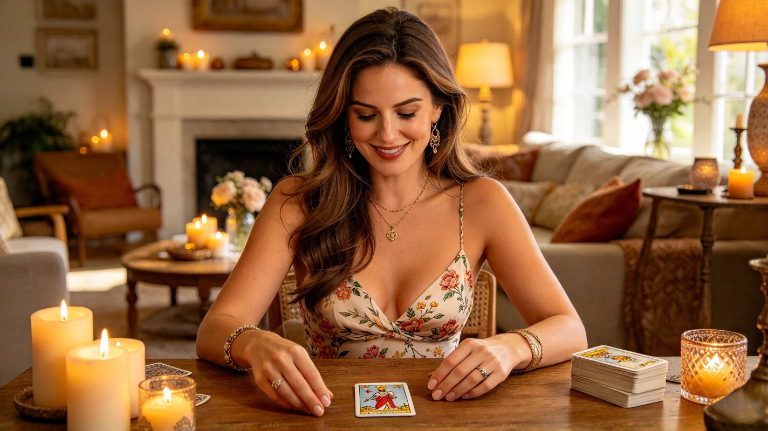
You don’t need a complicated spread for your first reading.
A one-card reading is perfect for beginners.
Sit somewhere quiet and shuffle your cards. Think about a simple question such as:
“What energy surrounds me today?”
When you feel ready, stop shuffling and draw one card.
Look at the picture before checking the traditional meaning. Ask yourself what the card makes you feel. Does the person look happy, worried, confident, lonely or powerful? What symbols do you notice?
Then check the card’s traditional meaning and see how it connects with your situation.
This is how you begin developing your tarot reading skills rather than simply memorising a list of meanings.
Asking the Right Tarot Questions
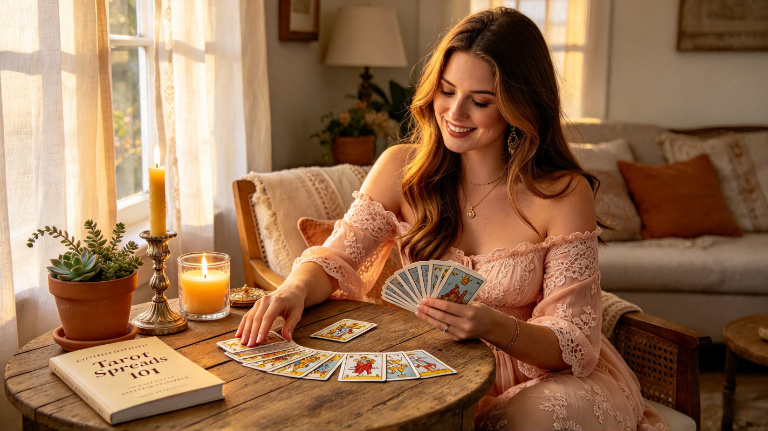
Tarot can answer many types of questions, but some questions give you more useful readings than others.
Instead of asking:
“Will I get the job?”
you could ask:
“What should I know about my career situation right now?”
Instead of:
“Does this person love me?”
try:
“What do I need to understand about this relationship?”
Open-ended questions give the cards more room to show you what you need to see.
You can ask about love, friendships, school, work, personal growth, decisions, opportunities and many other areas of your life.
Try a Simple Three-Card Tarot Spread
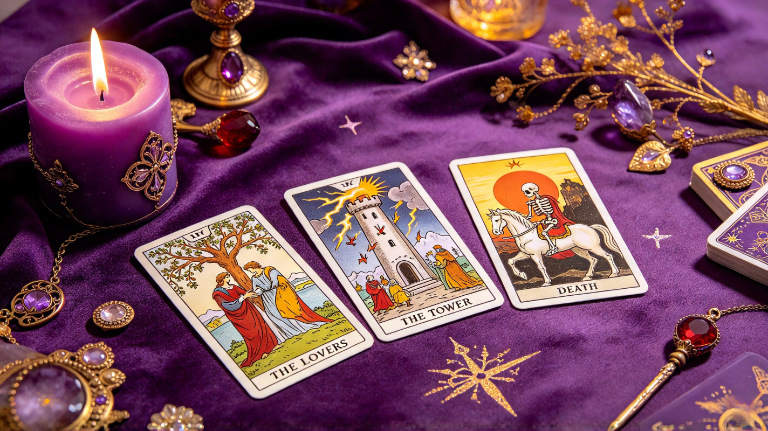
Once you’re comfortable with one card, move on to three cards.
A very easy spread is:
Card 1 – Past
What energy or event has influenced the situation?
Card 2 – Present
What is happening around you now?
Card 3 – Future
Where is the current energy leading?
You can also use:
Card 1 – Situation
Card 2 – Challenge
Card 3 – Advice
Don’t worry if the cards seem confusing at first. Look at them together rather than treating each card as a completely separate message.
Sometimes one card explains another.
Trust Your First Impression
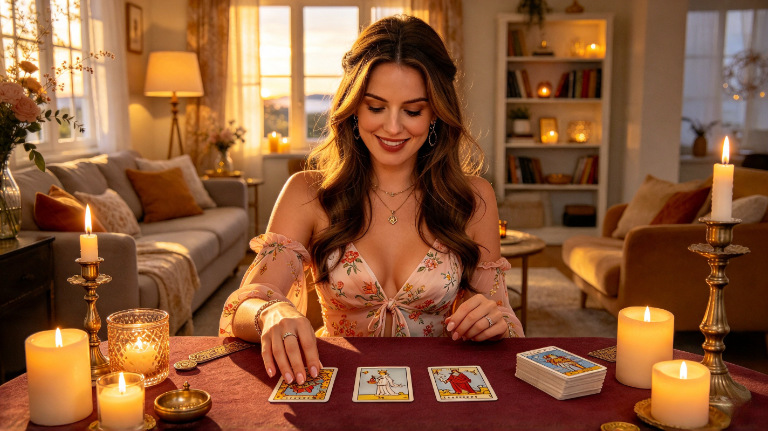
One of the biggest mistakes beginners make is immediately reaching for the guidebook.
The traditional meaning matters, but your first impression matters too.
Imagine drawing The Moon. You might already associate the card with secrets, dreams, uncertainty and hidden things. But perhaps the moon itself catches your attention, making you think about something you’ve been dreaming about recently.
That personal connection can be part of the reading.
Your intuition becomes stronger through practice. The more often you work with the cards, the easier it becomes to notice little details and understand why a particular card appeared.
Don’t Be Afraid of Scary Tarot Cards
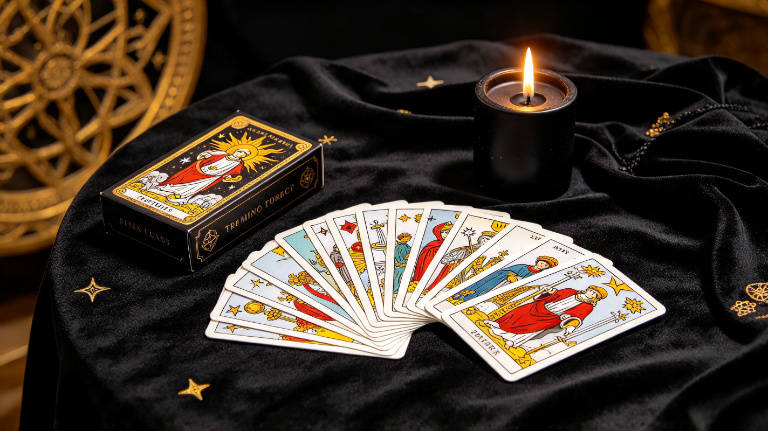
Some tarot cards have frightening names or images.
Death doesn’t automatically mean physical death. The Tower doesn’t mean something terrible must happen. The Devil doesn’t mean you’ve summoned something evil.
Tarot cards can represent transformation, endings, temptation, sudden changes, difficult lessons and powerful energy.
A card that looks scary may actually be showing you something that needs to change so something new can begin.
Instead of panicking when you pull an uncomfortable card, ask:
“What is this card trying to show me?”
That question can completely change the way you read tarot.
Keep a Tarot Journal
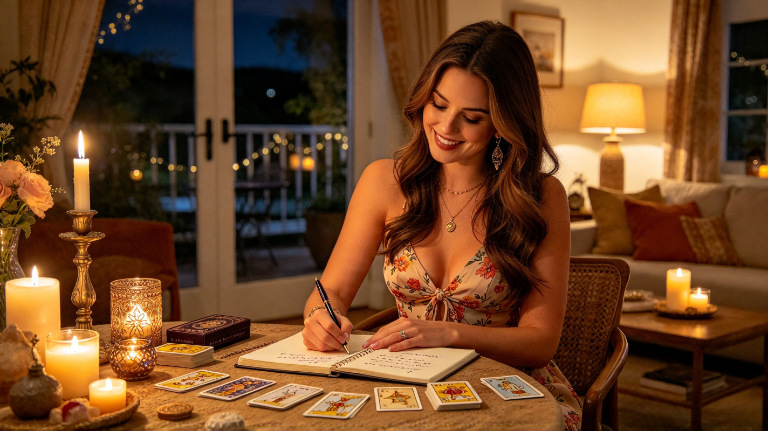
A tarot journal is one of the best things a beginner can have.
Write down the date, your question, the cards you pulled and your first impressions. You can then add the traditional meanings from your guidebook.
Later, look back and see how the reading connected with what happened.
You may eventually notice that certain cards have personal meanings for you that aren’t exactly the same as the textbook definition.
Your journal becomes your own little record of your tarot card meanings, experiences and intuition.
Practice Without Overthinking It
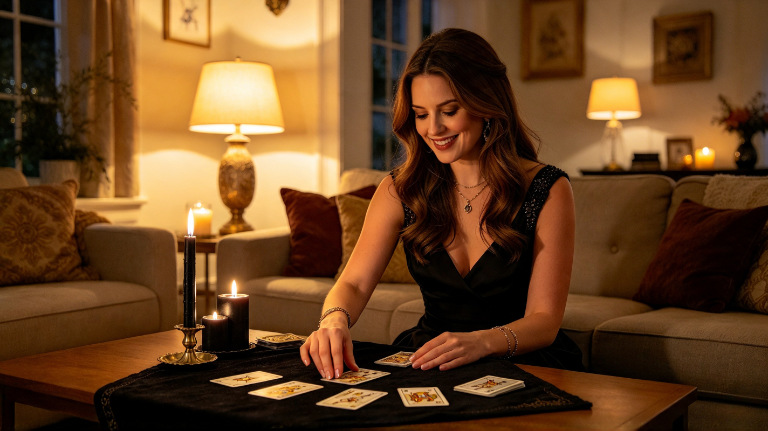
Your first readings probably won’t feel perfect.
That’s completely fine.
Tarot is something you become better at through experience. Pull a card each morning, practise with a friend, or create a simple reading for yourself once a week.
You can even take a picture of your daily card and write down what you noticed before checking the meaning.
The goal isn’t to become perfect at tarot. It’s to become comfortable with the cards and learn how to listen when they have something to show you.
Your Tarot Journey Is Just Beginning
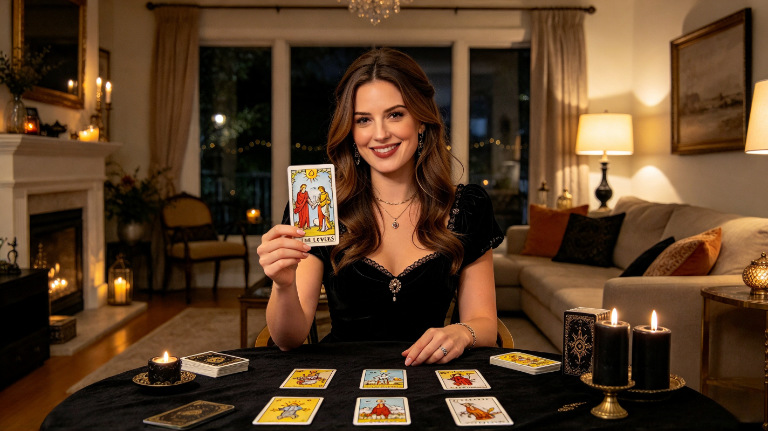
Learning tarot doesn’t have to involve memorising 78 cards before you’re allowed to call yourself a reader. Start small, spend time with your deck, ask simple questions and pay attention to the feelings and symbols that appear.
Your first few readings may be messy, but that’s part of the fun. As you practise, the cards will become more familiar, your intuition will grow stronger, and eventually you’ll find yourself looking at a card and understanding its message before you’ve even opened the guidebook.
Tarot is a journey, not a test. Take your time and let your deck reveal itself to you one card at a time.