


There’s a plant sitting somewhere in your home right now. Maybe it’s on a windowsill, maybe it’s drooping a little in the corner you keep forgetting about. You probably think of it as a quiet thing — something that just sits there, grows slowly, and asks for nothing but water and a bit of sunlight. But here’s the thing: that plant has been talking this whole time. You just didn’t know how to listen.
Scientists have been quietly uncovering something that feels less like biology and more like magic — plants are communicating. Not in words, obviously, but in chemical signals, electrical pulses, and even sounds that most human ears can’t catch. They warn each other when danger is coming. They call for help when they’re under attack. They remember things. They respond to touch. The more researchers dig into this, the more it looks like the plant kingdom has had a rich, complex inner life all along — one we’ve been completely overlooking.
What makes this even more interesting is that your plants aren’t just talking to each other. Some of the signals they send, the changes in the air around them, the way they respond to your presence and your voice, suggest that there’s a real back-and-forth happening between plants and the people who care for them. The idea that your plant “knows” you’re there isn’t as far-fetched as it sounds. Plant communication is real, it’s been measured in labs, and it’s genuinely one of the most fascinating things happening in nature right now.
This article is going to walk you through what plant communication actually looks like, how plants send and receive signals, what they’re likely “saying” when they change on you, and what you can do to start paying closer attention. Once you understand how plants communicate, you’ll look at every leaf, every subtle droop, every surprising burst of new growth completely differently. The conversation has been going on for a long time. You’re just finally joining it.
The Secret Chemical Language Plants Use to Talk to Each Other
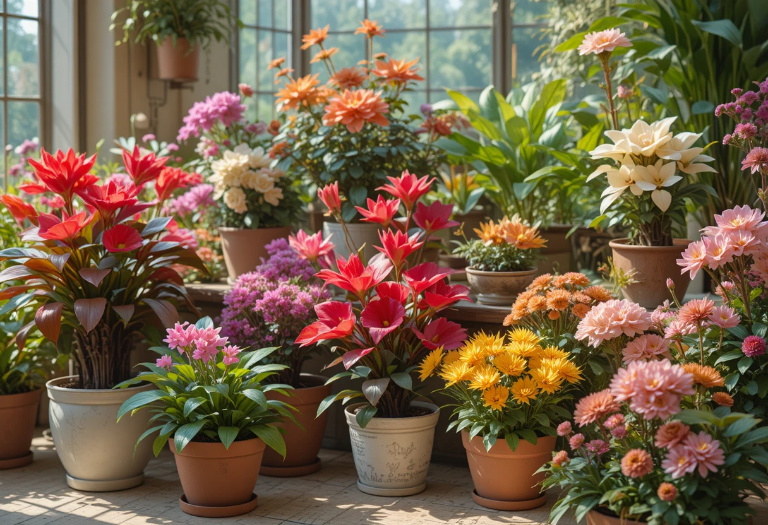
When a plant gets attacked — say, a caterpillar starts chewing through its leaves — something remarkable happens almost instantly. The plant starts releasing chemicals into the air called volatile organic compounds. These aren’t random. They’re specific signals, and the plants nearby pick them up and start producing defensive chemicals of their own before anything has even touched them.
This is plant communication in its most dramatic form, and it’s been documented over and over again in real scientific studies. Tomato plants do it. Corn does it. Even the acacia trees in African savannas do it — when giraffes start browsing on them, they release tannins that make their own leaves bitter, and they send airborne signals that prompt neighboring trees to do the same.
What’s wild is how fast and how specific this chemical language can be. Plants don’t just send a generic alarm. They can signal different things depending on what kind of attack is happening — a signal for chewing insects is different from a signal for a fungal infection. Neighboring plants read those signals accurately and respond accordingly. It’s a real vocabulary.
Underground Networks: How Plants Communicate Through Their Roots
The above-ground chemical signals are impressive, but what’s happening underground is even harder to wrap your head around. Plants are connected through massive fungal networks in the soil — sometimes called the “wood wide web” — where fungi thread through roots and create links between plants across huge distances.
Through these underground networks, plants pass nutrients, water, and yes, warning signals. A tree under stress can send chemical messages through the fungal threads to other trees nearby. Mother trees have been shown to send extra carbon to their seedlings through these root networks. Older trees in a forest support younger ones. The network is less like a passive highway and more like an active communication system with real stakes involved.
Your potted houseplant doesn’t have access to the same sprawling underground network a forest does, but its roots are still doing similar things in miniature. They’re releasing compounds into the soil, they’re responding to what’s around them, and they’re interacting with whatever microbial life lives in the dirt with them. Even in a pot on your kitchen counter, there’s a whole quiet world of chemical plant communication happening just beneath the surface.
Plants Respond to Sound and Touch — Including Yours

Here’s where it gets personal. Studies have shown that plants respond to vibrations in the air — including sound. Researchers playing recordings of caterpillar chewing sounds near plants found that the plants increased their chemical defenses even without any physical contact. The plant was essentially “hearing” a threat and preparing for it.
Touch is even better documented. Plants respond to being touched in measurable ways — releasing different compounds, changing how they grow, altering their behavior. The sensitive plant (Mimosa pudica) is the famous example, folding its leaves at the slightest contact. But less dramatic responses to touch and vibration have been recorded across hundreds of plant species.
What this means is that when you run your hand along a leaf, or brush past a plant regularly, it’s not nothing. The plant registers it. There’s actual evidence that plants grow differently when they’re touched regularly versus left completely alone. Some studies suggest regular human interaction changes their chemistry in measurable ways. The idea that talking to your plants helps them grow has been around forever — and the science is starting to back up what plant people have always sensed.
What Your Plant Is Saying When It Changes

Most of what your plant communicates to you, it communicates through its body. This is the part of plant communication that’s most practical for anyone growing things at home.
A drooping plant isn’t being dramatic — it’s telling you something specific. Yellowing leaves near the bottom usually mean something different from yellowing leaves at the top. A plant that’s suddenly dropping leaves might be reacting to a change in temperature, a draft you didn’t notice, or stress from being moved. Leggy, stretched-out growth means it’s reaching toward light — literally leaning into a signal, reorienting its whole body toward what it needs.
Brown crispy tips are almost always a humidity or watering issue. Soft, mushy stems are the plant telling you it’s been sitting in too much water. New growth that comes in pale or discolored is the plant showing you it’s missing something specific in its nutrition. Every change, every shift in color, texture, or direction, is information. Your plant isn’t just sitting there — it’s reporting back constantly.
Once you start reading these signals as communication rather than random events, caring for plants changes completely. You stop guessing and start listening. The plant has been giving you feedback all along — it just needed you to take it seriously.
How to Actually Start Listening to Your Plants

The most practical thing you can do is slow down and observe before you react. Most plant problems get worse because people intervene too fast or too late. If something looks off, sit with it for a day. Look at where the change is happening — new growth or old leaves, the whole plant or one side, the soil surface or deep down.
Start noticing patterns. Does your plant perk up after you water it and stay bright for a few days, then slowly start to flatten again before the next watering? That’s a communication loop — it’s telling you the schedule is right. Does it look great all week and then suddenly droop on Fridays? Maybe that’s when the heating kicks in, or a window gets opened nearby.
Talk to it if you want. Move close to it. Touch the leaves gently. The research suggests this isn’t as silly as it sounds — plants respond to vibration, to presence, to physical interaction. And practically speaking, getting close enough to touch your plants means you’re also checking them properly, catching problems early, and paying the kind of attention that makes you a genuinely good plant parent.
The conversation between plants and people has been going on forever. We’re only just beginning to understand how real it is.