


Thrift shopping feels like a treasure hunt. You dig through dusty shelves, flea market bins, and estate sales, hoping to find something beautiful for next to nothing. Most of the time, that’s exactly what happens — you walk away with a good deal and a good story. But older cultures around the world have always warned that not everything with a price tag is actually “just an object.” Some things carry a little piece of whoever owned them before, tucked into the fabric, the metal, or the glass.
Folklore isn’t shy about this. Grandmothers, healers, and elders across dozens of traditions have passed down the same quiet warning for generations: certain items soak up the energy, luck, and emotional residue of their previous owners, and that residue doesn’t wash off with a bit of soap and water. Bring the wrong object into your home, and you might be bringing along someone else’s heartbreak, sickness, or bad fortune too.
This isn’t about being paranoid every time you walk into a vintage shop. It’s about knowing which items to be a little more careful with, and which ones are worth pausing on before you hand over your cash. Below are seven objects that folklore, across many cultures, agrees you should think twice about buying used — along with the reasoning behind each warning.
1. Mirrors
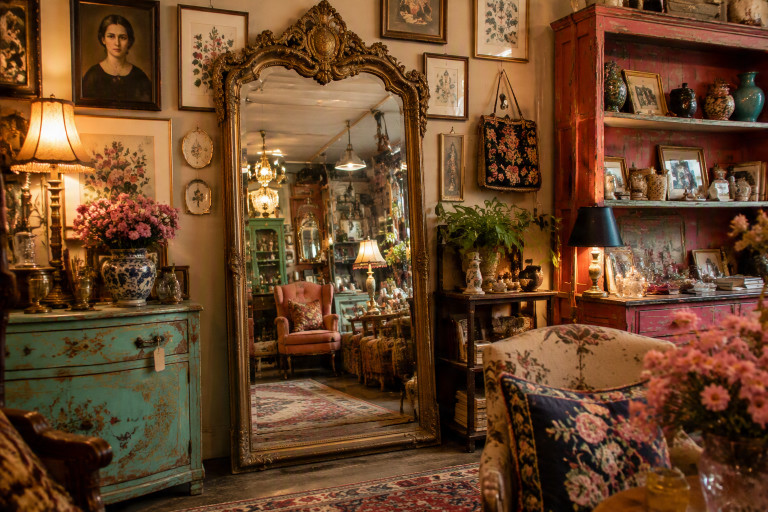
Mirrors have a long, uneasy relationship with folklore, and for good reason. Across many traditions, mirrors aren’t just glass and silver backing — they’re thought of as doorways. It’s believed a mirror captures a reflection of everyone who has ever stood in front of it, holding onto fragments of their moods, their sorrows, and sometimes even their spirit long after they’ve walked away. A secondhand mirror, then, isn’t blank. It’s already been “written on.”
This is part of why so many cultures cover mirrors during times of grief or illness. The worry is that a mirror can act like a magnet, pulling in whatever lingers nearby — including things you’d rather not invite home. If the previous owner passed away, was going through a hard time, or kept the mirror somewhere troubled, folklore says that energy can still be sitting there in the glass, waiting for a new face to reflect.
If you already own a secondhand mirror and love it too much to part with it, tradition offers a fix rather than a full ban. Many old customs suggest cleansing it with salt water, passing a lit candle or incense around its frame, or simply setting an intention out loud before hanging it up — a way of telling the mirror, gently, that it belongs to you now.
2. Wedding Dresses and Rings
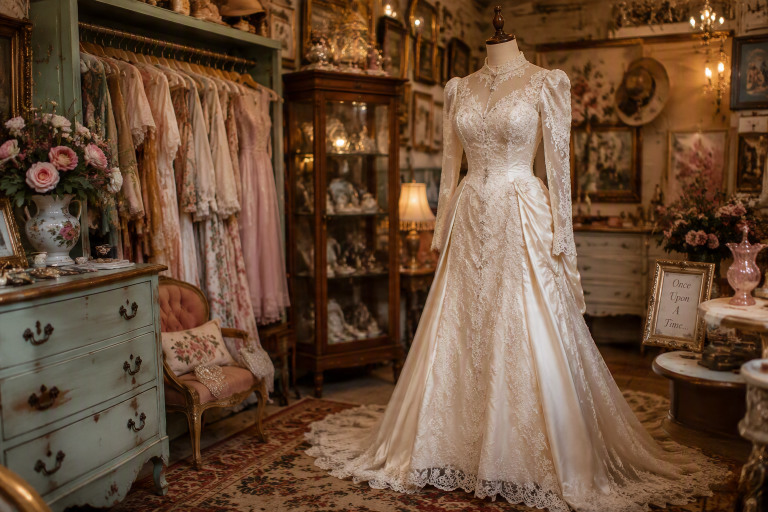
Few objects carry more emotional weight than a wedding dress or ring, which is exactly why folklore treats them with such caution. These aren’t everyday items — they’re worn during one of the most charged, hopeful, high-stakes days of a person’s life. Old wives’ tales hold that a wedding dress or ring absorbs the emotions of that day so deeply that it becomes bonded to the marriage itself, for better or worse.
The trouble is, you rarely know the full story behind a secondhand ring or gown. Was the marriage a happy one? Did it end in heartbreak, betrayal, or worse? Folklore warns that buying someone else’s wedding dress or ring means potentially inheriting the fate of that first marriage, not just the fabric or the gold. This is where the old saying “something borrowed” gets tricky — borrowing is temporary and given freely, but buying an unknown ring from an unknown past is a different kind of risk altogether.
That said, family heirlooms are treated completely differently in folklore. A ring or dress passed down with love, from a grandmother or mother whose story you know well, is seen as a blessing rather than a danger — it’s believed to carry good fortune forward instead of bad. The warning really applies to the anonymous secondhand kind, where the history is a total mystery.
3. Knives and Sharp Objects
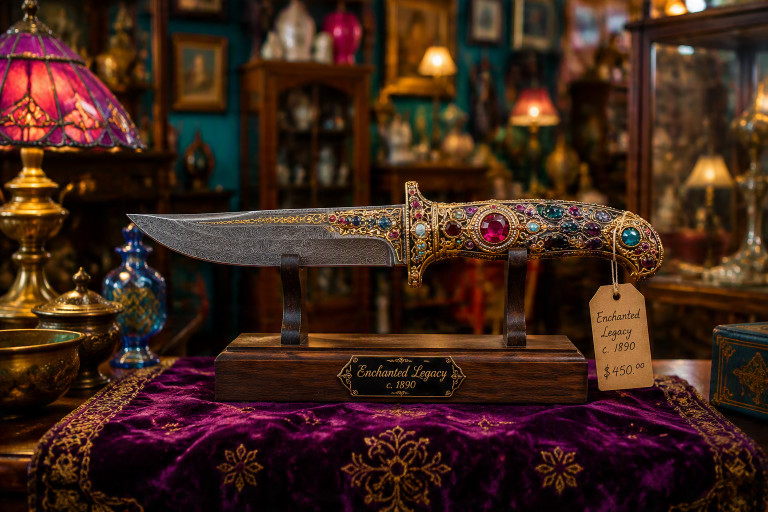
Buying a secondhand knife sounds harmless enough, but folklore treats blades as some of the most symbolically loaded objects you can own. Across many cultures, a knife represents the cutting of bonds — relationships, luck, even life itself. Old traditions say that when you buy a used knife, you risk “cutting” your own good fortune, simply because the blade already carries the intention of severing something from its last use.
There’s also a widespread superstition that a knife should never be given as a gift without a small coin exchanged in return, to avoid “cutting” the friendship between giver and receiver. That same logic extends to buying one secondhand from a stranger — there’s no relationship to protect, so folklore says the blade carries an unresolved, untethered energy that can bring bad luck into a new home.
If a beautiful vintage knife catches your eye anyway, tradition offers a workaround: pass a single coin back to the seller, even a symbolic one, to “purchase” the blade in a way that avoids cutting luck rather than transferring it. Some also recommend running the blade under running water before it ever touches your kitchen counter, as a way of washing off whatever it was last used to sever.
4. Dolls
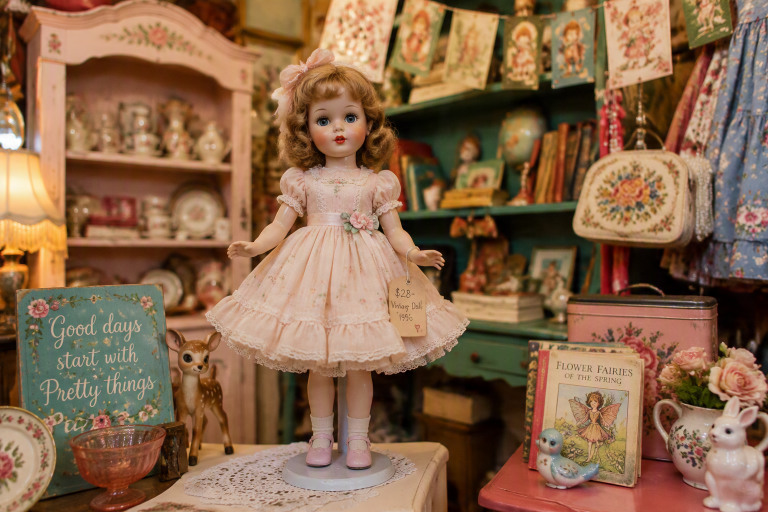
Of everything on this list, dolls are the object folklore warns about most consistently, and most seriously. A doll is shaped like a person, and across countless cultures, that resemblance is taken very literally. Old beliefs hold that dolls are especially good at “holding” a presence — a bit of the child who loved it, or worse, a bit of whatever else may have attached itself to the toy over the years.
This belief isn’t limited to any one region. From attics in old farmhouses to antique shops specializing in porcelain collectibles, story after story circulates about secondhand dolls that seem to carry something extra along with them — a coldness in the room, a feeling of being watched, small objects moved without explanation. Folklore treats this as the doll “remembering” its first owner and struggling to let go, sometimes stubbornly refusing to bond with anyone new.
Because of this reputation, dolls are one of the few secondhand items many old traditions recommend simply avoiding altogether, especially older, well-loved ones with a lot of history behind them. If you already have one, the advice is similar to mirrors — smoke cleansing, sunlight, and salt are the traditional go-tos for gently clearing whatever the doll might be holding onto.
5. Clocks
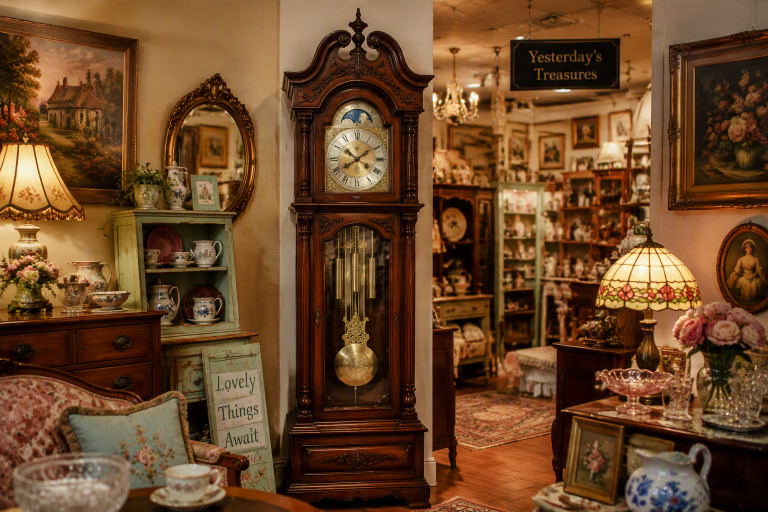
A ticking clock might seem like the last thing to worry about, but folklore has long treated clocks as objects tied directly to time, fate, and mortality. The belief is simple but heavy: a clock doesn’t just measure time, it’s thought to hold onto it. Every hour it counted for its previous owner — good or bad — is said to remain wound up somewhere inside its gears.
This becomes especially serious when a clock stopped at the moment of someone’s death, a moment many cultures treat with real reverence. Old folklore insists that a clock stopped this way should never be restarted or resold without ceremony, because doing so risks “restarting” a fate that was meant to end. A secondhand clock with an unknown past, then, might be carrying far more than the correct time.
The traditional remedy is refreshingly simple: reset the clock completely, wind it yourself from zero, and some traditions suggest saying a small blessing over it as you do. This is thought to symbolically start the clock’s story over, with you as the one it now keeps time for.
6. Beds
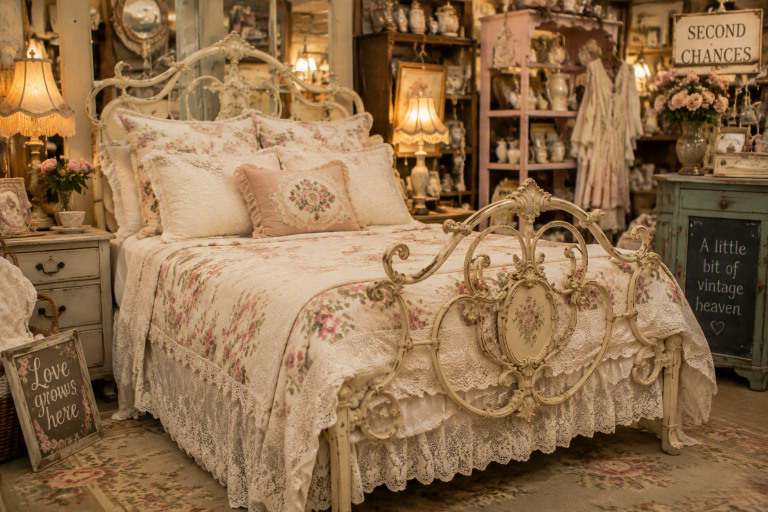
We spend roughly a third of our lives asleep, and folklore treats the bed accordingly — as one of the most spiritually vulnerable objects in the whole house. Sleep is when the mind wanders furthest and the body is most unguarded, which is exactly why old traditions worry about secondhand beds and mattresses. Whatever dreams, illnesses, or restless nights the previous owner experienced are believed to soak into the frame and mattress the same way sweat and warmth do.
This concern shows up most strongly around beds owned by someone who was sick or unwell for a long stretch of time. Folklore across many cultures warns that lingering illness — physical or emotional — can settle into a mattress and pass along to whoever sleeps there next, almost like the bed hasn’t quite let go of its last occupant’s struggles.
Because of how personal and prolonged our contact with a bed is, this is one item where many old traditions simply say: buy new if you can. If a secondhand frame is unavoidable, at minimum, tradition calls for a completely fresh mattress, along with airing the frame out in open sunlight for as long as possible before it ever comes inside.
7. Shoes
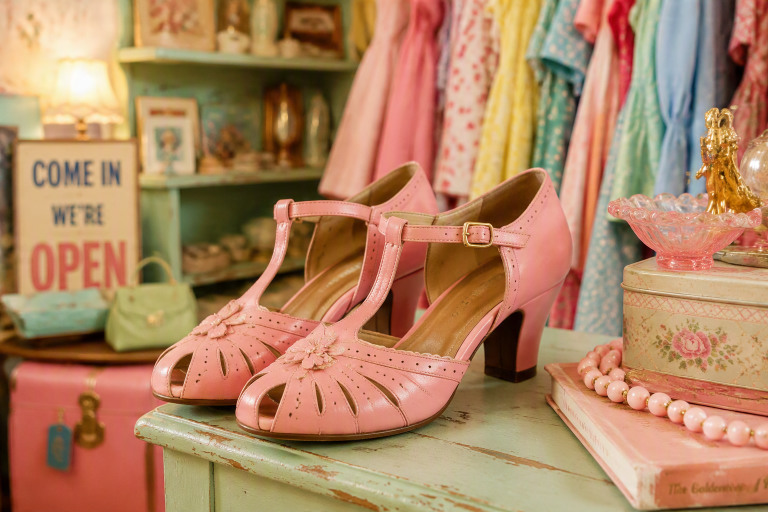
Shoes might seem like a strange item to fear, but folklore has always paid close attention to them, mostly because of where they go. A pair of shoes carries its owner through every step of their life — good roads and bad ones alike. Old beliefs hold that shoes absorb the direction and luck of a person’s path, quite literally, since they’re the one object that touches both the wearer and the ground beneath them every single day.
This is part of why so many cultures have superstitions about gifting shoes at all, with the old warning being that a gifted pair might “walk” the recipient right out of the giver’s life. Buying a stranger’s secondhand shoes carries a similar concern — you have no idea what kind of path those shoes have already walked, and folklore suggests you might end up walking it too, luck and all.
The traditional fix is small but specific: many old customs suggest never wearing secondhand shoes without first tossing a coin inside them, symbolically “buying” your own luck back before your foot ever goes in. Others recommend simply walking a few steps outside, barefoot, before putting the shoes on for the first time — a way of setting your own path before the shoes get the chance to set it for you.
Shop Smart, Shop Safe
Secondhand shopping will always be one of life’s little joys — the hunt, the history, the good deal you can’t stop bragging about. Folklore isn’t asking you to give that up. It’s just asking you to pay attention. A little salt, a little sunlight, a little intention before something crosses your threshold, and most of these old warnings can be handled without much trouble at all.
At the end of the day, these traditions have stuck around for so many generations because people have always sensed that objects aren’t quite as empty as they look. Whether or not you believe every word of it, there’s something worth keeping in mind: the things we bring into our homes bring a little bit of their past along with them. Might as well make sure it’s a past you’re happy to live with