
Ever lock eyes with someone and feel like you’ve known them for lifetimes? That’s not just a saying. A lot of folks who study spiritual stuff believe your eyes are basically a window into how many times your soul has been around the block. Some eyes look “old” even on a baby’s face, and some grown adults still have that wide, curious, fresh-to-this-world sparkle. It’s not about age in years — it’s about soul age, and your eye color is one of the biggest clues.
Every soul takes a journey. New souls show up here bright-eyed and a little wobbly, still figuring out the basics. Mature souls have been through the wringer a few times and it shows — there’s a calm weight to how they look at you. Ancient souls? They’ve got that “I’ve seen it all” depth, like staring into a quiet lake at night. Your eye color, the patterns inside it, even the little rings around your iris — all of it supposedly maps onto where your soul sits on this timeline.
In this guide we’re breaking down everything: the ten main eye colors and which soul stage they line up with, the rare colors considered “soul anomalies,” what those dark limbal rings really mean, and even what your gaze style says about you. Whether you’re a soft-eyed healer or a piercing-eyed warrior, by the end you’ll have a much better read on your own eyes — and everyone else’s too.
The “Ancient Soul Markers” Hidden in Your Iris
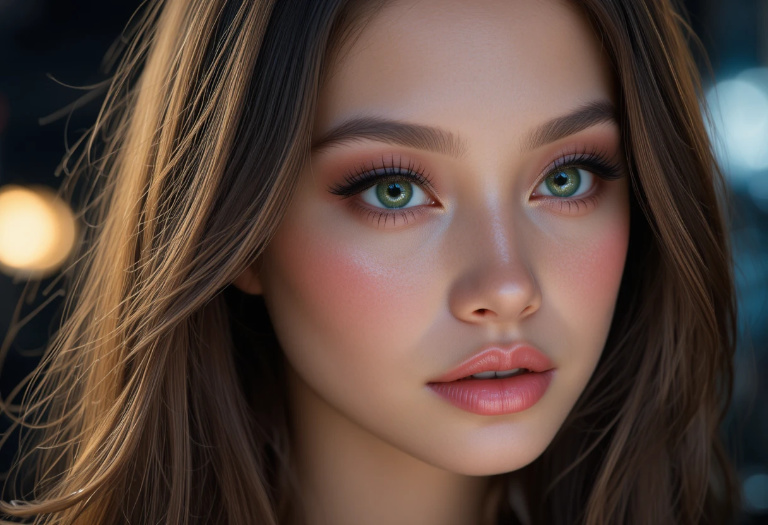
Look closely at your iris sometime — really closely, in good light. You’ll notice it’s not just one flat color. There are flecks, rings, little starburst patterns radiating out from the pupil. These aren’t random. Soul-readers believe these markers are like growth rings on a tree, except instead of counting years, they’re counting lifetimes.
The flecks are usually the first thing people notice. Gold or amber flecks scattered through a darker eye are often linked to wisdom picked up across multiple incarnations — like little deposits of memory left behind. The denser and more scattered the flecks, the more “mileage” that soul supposedly has. A clean, single-color iris with no flecks at all often points to a younger soul, still working with a simpler blueprint.
Then there’s the rings — not just the dark limbal ring around the edge (we’ll get to that one separately), but inner rings closer to the pupil. A double ring, where you can see a clear circle within the iris itself, is considered a strong old-soul marker. It’s like the eye recording each major life cycle as another layer. If you’ve got one of these, people probably already tell you that you have an “old soul vibe” without even knowing why.
Top 10 Eye Colors and Their Soul Age
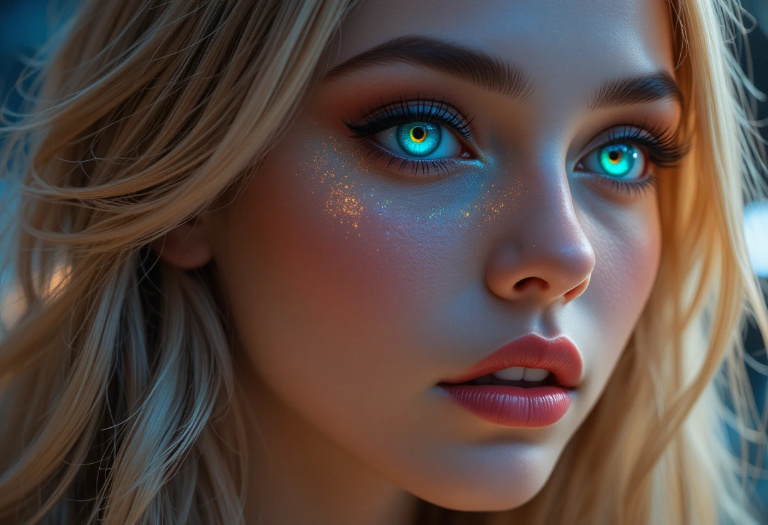
Brown Eyes — Mid-Age Soul
Brown is the most common eye color on the planet, and that fits — most souls cycling through right now are somewhere in the middle of their journey. Brown-eyed people tend to be grounded, practical, and good at handling the day-to-day grind of life, which is exactly what a mid-age soul is here to master.
These souls have already moved past the wide-eyed confusion of a brand new soul but haven’t fully unlocked the detached wisdom of an ancient one. They’re in the thick of it — building, learning, relating, messing up and trying again. That’s a beautiful place to be, honestly.
Dark brown especially shows a soul that’s comfortable with responsibility. They’re often the reliable ones in the friend group, the ones who hold everything together while still having plenty left to learn about themselves.
Blue Eyes — Young Soul
Blue eyes are often tied to younger souls, fresh with curiosity and a kind of unfiltered honesty. There’s a brightness to blue eyes that almost feels like the soul hasn’t been weighed down yet by heavy past-life baggage.
People with blue eyes often come across as idealistic, a little dreamy, sometimes naive in the best way. They ask a lot of “why” questions because they’re genuinely still figuring out how this whole existence thing works.
That doesn’t mean blue-eyed people are shallow — quite the opposite. Young souls bring fresh energy into the world, free from the cynicism that older souls can sometimes carry. They remind everyone else what wonder looks like.
Green Eyes — Old Soul
Green is rare, and rarity tends to track with soul age. Green-eyed people often carry a quiet intensity, like they’re watching the world a little more closely than everyone else.
There’s a magnetic, slightly otherworldly quality that gets attached to green eyes a lot — almost fae-like. People with green eyes are often described as “intuitive,” picking up on things before anyone says them out loud, which fits an old soul’s pattern recognition built over many lifetimes.
Green is also tied to deep emotional processing. These souls have likely loved and lost in past lives, and that history shows in how deeply they feel things now, even if they don’t always show it on the surface.
Hazel Eyes — Mid-Age to Old Soul
Hazel is the shapeshifter of eye colors — it changes depending on lighting, mood, even what you’re wearing. That instability isn’t a flaw, it’s a feature. Hazel-eyed souls are often in transition, moving from mid-age into something older and wiser.
These people tend to be adaptable, able to read a room and shift their approach depending on what’s needed. That flexibility is a skill only built up over many lifetimes of trial and error.
Hazel often blends green and brown, meaning the soul is carrying both the grounded practicality of a mid-age soul and the intuitive depth of an older one. It’s a transitional eye color for a transitional kind of soul.
Grey Eyes — Old Soul
Grey eyes are uncommon and carry a kind of misty, foggy quality, like looking into a cloud. That haziness is said to reflect a soul that’s standing slightly outside the regular flow of life, observing more than participating.
People with grey eyes are often calm under pressure, hard to rattle, and seem to “already know” how things will turn out. That detachment isn’t coldness — it’s the natural result of having lived through enough cycles that drama doesn’t hit the same way anymore.
Grey-eyed souls often gravitate toward roles where they guide or advise others, since they carry an almost built-in sense of perspective that younger souls haven’t developed yet.
Amber Eyes — Old Soul
Amber has that warm, golden-honey glow, almost like sunlight trapped in the eye. It’s tied to old souls who’ve gathered a lot of wisdom and aren’t shy about using it.
These people often have a natural leadership quality, not the loud, pushy kind, but the kind where others just instinctively trust their judgment. That trust is earned across lifetimes of guiding others through tough situations.
Amber-eyed souls also tend to have strong instincts, almost animalistic in how quickly they read danger or opportunity. That sharpness is the payoff of having survived plenty of rough patches in past lives.
Black or Very Dark Brown Eyes — Ancient Soul
Eyes so dark they almost look black are often considered one of the strongest ancient-soul markers out there. The darkness is like a depth you can’t quite see the bottom of — and that’s exactly the point.
People with very dark eyes often carry an intensity that others find hard to look away from. There’s a stillness to them, like they’ve already processed emotions that would overwhelm a younger soul.
These souls have typically lived through extremes — hardship, loss, deep love, war, peace — and the eyes absorb all of it instead of reflecting it back lightly. It gives them a grounding presence that feels timeless.
Light Brown / Honey Eyes — Young to Mid-Age Soul
Light brown and honey-toned eyes sit in a friendly, approachable middle ground. These souls are often warm, social, and easy to connect with — they haven’t yet developed the guardedness that comes with more lifetimes.
People with this eye color tend to be optimistic and forgiving, quick to give others the benefit of the doubt. That openness is a young-to-mid soul trait, before too many hard lessons have built up emotional walls.
They’re often the glue in social circles, naturally curious about other people’s stories, still in the phase of soul development where connection feels exciting rather than draining.
Olive/Hazel-Green Eyes — Mid-Age Soul
This in-between shade carries a quiet, earthy steadiness. Olive-toned eyes are linked to mid-age souls who’ve found a comfortable rhythm with life — not chasing drama, not avoiding growth either.
These people tend to be balanced, the kind of person who gives solid advice without making a big show of it. They’ve learned enough lessons to be steady, but they’re still actively working through plenty more.
There’s a practical wisdom here, less mystical than amber or grey, more “I’ve got common sense and I use it.” It’s a soul that values stability and tends to build slow, lasting things.
Blue-Grey Eyes — Mid-Age to Old Soul
This blend carries both the dreaminess of blue and the detached wisdom of grey. Blue-grey-eyed souls often feel caught between two states — still curious like a younger soul, but increasingly aware like an older one.
These people are often deep thinkers, drawn to philosophy, spirituality, or big existential questions. They’re starting to ask “why am I really here” instead of just “why does this happen,” which is a clear sign of a soul leveling up.
There’s often a restlessness in blue-grey-eyed people, like they sense there’s more to understand and they’re actively chasing it down, rather than waiting for life to teach them passively.
The Rare Eye Colors Linked to Old Souls

Amber, grey, violet, and heterochromia (when someone has two different colored eyes) are considered “soul anomalies” — eye colors so rare they stand out as something special happening underneath. Violet eyes, almost mythical in how seldom they appear, are tied to souls who’ve lived unusually intense or unusual past lives, often in roles of major spiritual significance.
Heterochromia is maybe the most fascinating of the bunch. When someone has one eye color in each eye, it’s often read as a sign the soul is carrying memories from two very different paths or timelines, almost like one eye represents an old life and the other represents the current one. People with heterochromia are frequently described as feeling “split” between two energies — one grounded, one otherworldly.
What ties all these rare colors together is that they break the pattern. Most souls fall into the common categories — brown, blue, green, hazel — moving through fairly predictable cycles. These anomalies suggest something different happened along the way: an unusual past life, a spiritual contract, or a soul that simply isn’t following the standard script.
The “Shadow Layer”: What Dark Rings Reveal

That dark ring you sometimes see circling the outer edge of someone’s iris is called a limbal ring, and in soul-age terms, it’s a big deal. A bold, well-defined limbal ring is often tied to emotional depth and karmic completion — it’s like a border holding everything that soul has learned firmly in place.
The thicker and darker the ring, the more karmic cycles that soul is believed to have closed out. It’s almost like a seal of approval, showing the lessons from past struggles have actually been processed rather than just survived. People with strong limbal rings often have a settled, resilient energy, even if their life on the outside has been rocky.
A faded or barely visible limbal ring, on the other hand, often points to a soul still in the middle of working things out — karma still in motion, lessons still unfolding. It’s not a bad thing at all, just a sign there’s more processing left to do before that “shadow layer” fully forms.
Past-Life Echoes: How Your Eyes React to Certain People
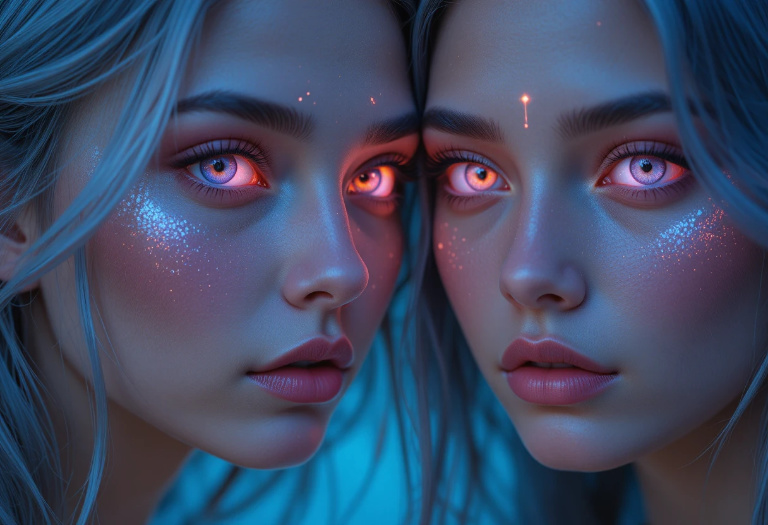
Ever met someone and your eyes did something weird — softened instantly, or sharpened like you were suddenly on alert, for no clear reason? That’s often described as a past-life echo. Your eyes, more than any other part of your face, are believed to react first when an old soul connection walks back into your life.
A sudden softening usually means recognition of someone who was once safe or loved in a previous lifetime — a parent, a partner, an old friend. The body remembers before the mind catches up, and the eyes are usually the first to show it. A sharpening or narrowing, meanwhile, often signals an old rival or unresolved tension carried over from a past cycle.
Then there’s the rarer, almost electric moment where your eyes seem to actually “recognize” someone — that instant, can’t-look-away locked stare some people describe with new connections. That’s considered one of the clearest signs of a soul reunion, especially common between older souls who’ve crossed paths multiple times across different lives.
The Eye Color Shifts During Spiritual Awakening
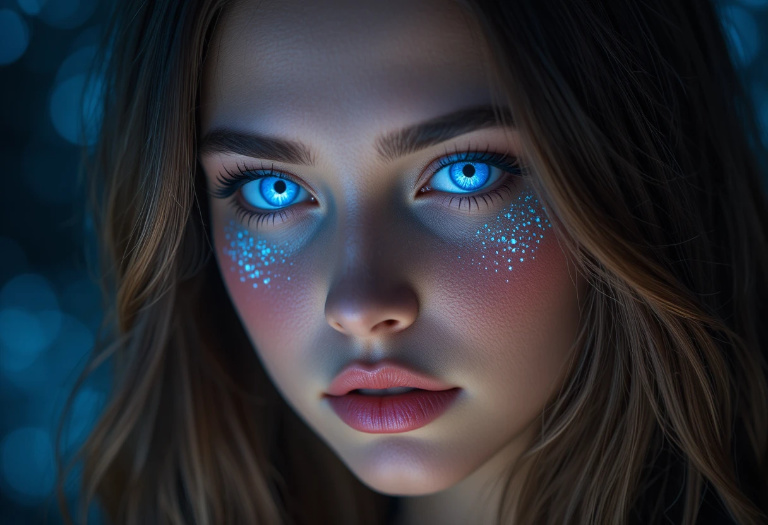
People going through major spiritual growth often report their eyes physically looking different — brighter, clearer, sometimes even a shade or two more intense. This isn’t just imagination; many describe friends and family commenting on it without prompting.
A common shift is increased clarity — eyes that used to look a bit dull or tired suddenly seem to have more light coming through them. This is tied to the soul shedding old emotional weight, like a layer of fog lifting off the surface.
Some people notice actual color intensification too — green eyes looking more vivid, brown eyes picking up gold flecks that weren’t as visible before. These shifts are considered visible proof that the soul underneath is actively upgrading, processing old patterns and stepping into a more awakened version of itself.
Elemental Eye Types
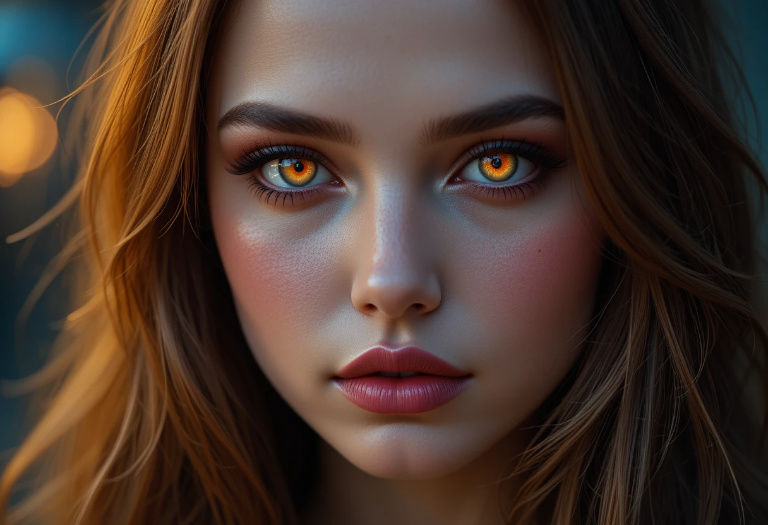
Some soul-readers sort eyes into four elemental categories, each tied to a different flavor of soul maturity.
Earth eyes (deep browns, olive tones) belong to grounded souls focused on stability, responsibility, and building lasting structures in this life — usually mid-age souls doing the steady work.
Water eyes (blue, blue-grey) belong to emotionally intuitive souls, often younger to mid-age, still learning to navigate feelings without being swept away by them.
Fire eyes (amber, golden-brown) belong to driven, passionate souls with strong willpower — frequently older souls who’ve learned to channel intensity productively instead of recklessly.
Air eyes (grey, pale green) belong to thoughtful, philosophical souls drawn to ideas over material concerns — often the oldest souls, more interested in understanding existence than chasing achievements.
The Gaze Test: What Your Stare Says About Your Soul Timeline
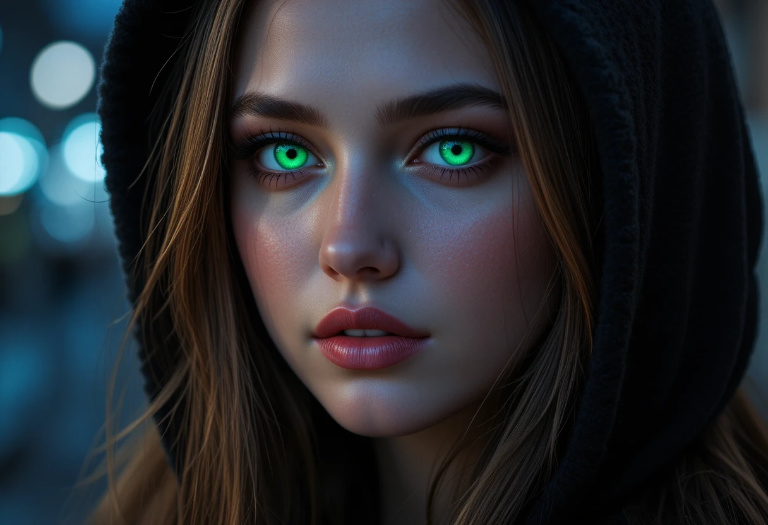
Soft gaze = healer souls. A gentle, unhurried way of looking at people, like they’re being cradled rather than examined. These souls have spent past lives caring for others and it shows in how naturally comforting their presence feels.
Piercing gaze = warrior souls. Sharp, direct, hard to hold without flinching. These souls carry past-life experience with conflict and protection, and their eyes still default to scanning for threats even in calm situations.
Wandering gaze = young souls. Easily distracted, curious about everything in the room at once. This isn’t a lack of focus — it’s a soul still soaking in the basics of this world, fascinated by details older souls have stopped noticing.
Magnetic gaze = ancient souls. The kind of stare that makes people forget what they were saying. Ancient souls carry a stillness and depth that draws people in almost involuntarily, a side effect of having processed more lifetimes than most.
Searching gaze = seeker souls. A restless, scanning quality, like they’re always looking just past you for something bigger. These souls are mid-cycle in a major life lesson, actively hunting for answers rather than passively waiting for them.
Guarded gaze = protector souls. Eyes that stay slightly closed off, careful, assessing before trusting. Often tied to souls who’ve been hurt or betrayed in past lives and have built instinctive caution as a result.
Dreamy gaze = visionary souls. Slightly distant, like part of them is somewhere else entirely. These souls are often deeply intuitive, picking up information from beyond the immediate moment, which can make them seem “elsewhere” even in conversation.
Steady gaze = teacher souls. Calm, unwavering, comfortable holding eye contact for long stretches without looking away first. These souls have lived multiple lives in mentor or guide roles, and that patience naturally carries into how they look at others now.
The Eyes of Empaths, Seers, and Starseeds
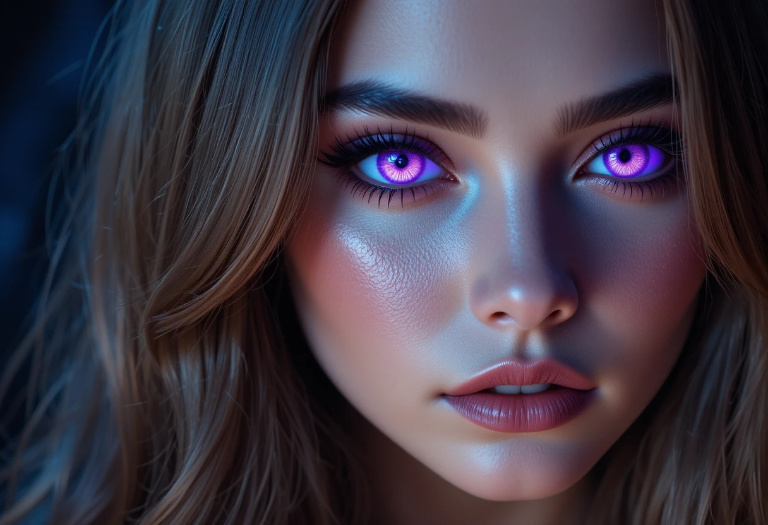
Certain eye traits show up again and again in people who identify as empaths, seers, or starseeds. Large, luminous eyes with unusually expressive pupils are common among empaths — their eyes seem to absorb emotion from the room before a single word is spoken.
Seers — people with strong intuitive or psychic leanings — often have that double-ring pattern mentioned earlier, or unusually pale, light-reflective eyes that almost seem to glow under certain lighting. It’s as if the eye itself is built to pick up on more than the average visual information.
Starseeds, souls believed to have origins beyond typical earthly incarnation cycles, are frequently described as having strikingly large eyes, unusual color combinations, or an intensity that feels slightly otherworldly — eyes that make people pause, even if they can’t explain why.
The “Soul Mirror” Phenomenon
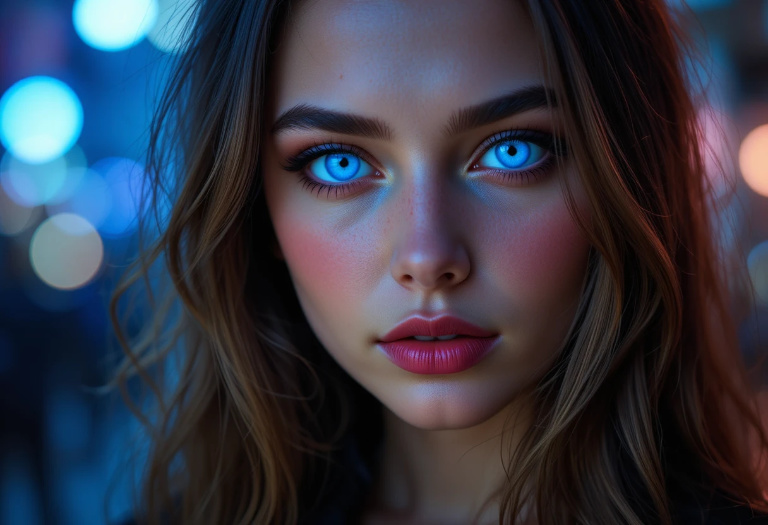
Ever met someone whose face looks young but their eyes look impossibly old? That mismatch is called the soul mirror phenomenon, and it’s one of the clearest outward signs of a soul that’s been around far longer than its current body suggests.
This usually shows up as a heaviness or depth in the eyes that doesn’t match the rest of the face — a teenager with eyes that seem to have witnessed decades, or an elderly person whose eyes still sparkle with surprising youth. It’s the soul’s true age leaking through, regardless of the body it’s currently wearing.
This phenomenon is considered strong evidence for reincarnation cycles in general — proof that the soul inside doesn’t always match the timeline of the body it’s borrowing this time around, and that the eyes are simply more honest than the rest of the face about what’s really going on underneath.
What Having Two Different Colored Eyes Means
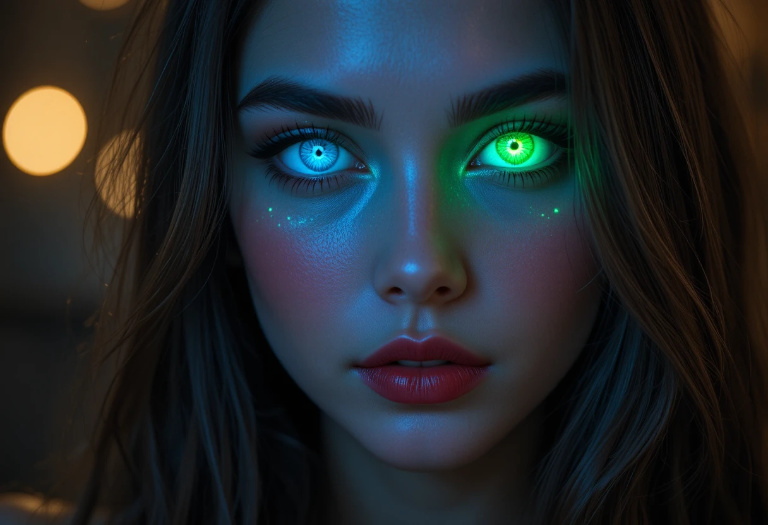
Heterochromia — when one eye is a different color from the other — is one of the most talked-about “soul anomalies” out there, and for good reason. It’s rare enough that most people will only ever meet a handful of people who have it in their entire life, and that rarity is exactly why it carries so much spiritual weight. A soul doesn’t end up with two different colored eyes by accident, at least not in this way of thinking. It’s seen as a visible split, a sign that something unusual happened on the path to this lifetime.
The most common explanation is that each eye represents a different timeline or a different past life running in parallel. One eye might reflect the soul’s most dominant, well-worn incarnation — the life that’s shaped most of who they are now. The other eye reflects a second, often very different life, one that left a strong enough mark to bleed through into this body. People with heterochromia often describe feeling like they’re carrying two distinct energies inside them at once, like two different personalities or instincts pulling in slightly different directions depending on the moment.
There’s also a belief that the specific colors involved matter. A blue eye paired with a brown eye, for instance, is often read as a soul balancing youthful curiosity (blue) with grounded, lived-in wisdom (brown) — basically a young soul and a mid-age soul sharing one body. Green paired with grey leans more mystical, suggesting a soul that’s unusually intuitive in one timeline and detached or observant in the other. The pairing becomes a kind of shorthand for the two soul “modes” someone is working with simultaneously.
People with heterochromia are frequently described by others as feeling “hard to read” or “layered” — like there’s always a bit more going on beneath the surface than what’s showing in the moment. That’s considered the natural result of one body trying to hold and balance two different soul histories at once. It’s not confusion, exactly — more like the soul is still in the process of merging these two threads into one coherent identity, and the eyes are simply the most visible part of that ongoing work.
Some go even further and suggest heterochromia shows up more often in souls who’ve had at least one major past life that ended abruptly or unexpectedly — the kind of ending that leaves unfinished business. The unmatched eye becomes a sort of marker, a reminder carried forward that there’s still something from that life left to resolve in this one.
What Your Eyes Have Been Trying to Tell You All Along
At the end of the day, your eyes might be the most honest storytellers you have. Long after your face changes, your style evolves, and your life takes turns you never expected, your eyes keep carrying the same quiet record of everywhere your soul has already been — and everywhere it’s still headed. Next time you catch your reflection, take a real look. You might just see a soul a lot older — or younger — than you thought.